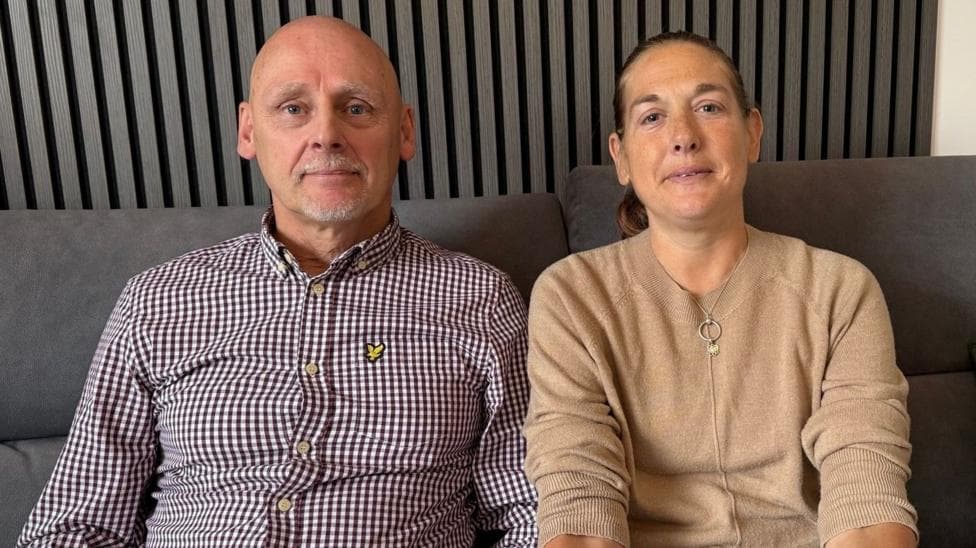
A woman who posted a desperate appeal for a kidney on Facebook has received a lifesaving transplant from an unexpected source: a complete stranger who saw her plea and volunteered to be tested as a donor.
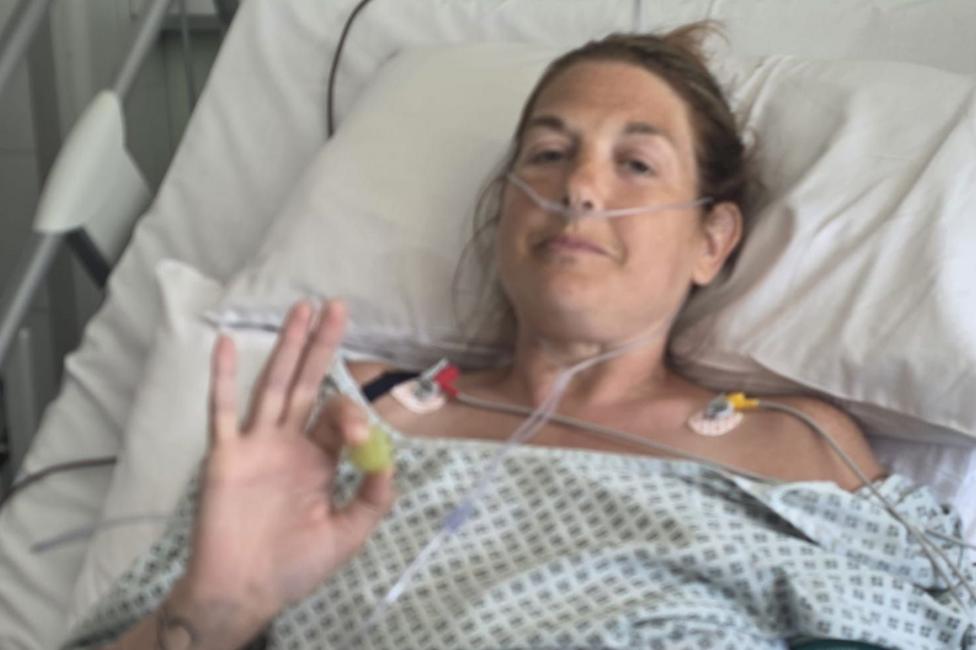
Karen Davey, 41, from Brynna in Rhondda Cynon Taf, had exhausted conventional routes to find a match before turning to social media. Gary Summerfield, a 60-year-old security guard from Tredegar in Blaenau Gwent, discovered her post, underwent extensive medical assessments, and donated one of his kidneys during a six-hour operation on 15 July at the University Hospital of Wales in Cardiff.
The transplant represents Karen's second major organ donation. She underwent a heart transplant a decade earlier, at age 31, following a heart attack while watching her son play football. The immunosuppressant medications required after that first transplant gradually damaged her kidneys, leading to stage three kidney failure and the need for another transplant.
Why the wait for a kidney matters
The timeline of organ transplantation in the UK creates significant pressure on patients. According to NHS Blood and Transplant, the average wait for a deceased donor kidney is two to three years, whereas recipients with a living donor typically wait only three to six months. For Karen, who described the kidney failure as putting her life on hold, the difference was critical.
Karen explained her situation in her Facebook post by emphasizing her relatively rare blood type and her primary concern: remaining present for her children. Her eldest is now 22, and she is also a grandmother to a one-year-old.
My main thing is the kids, I want to be around for them.
When she discovered that friends and family members were not compatible matches, she made the difficult decision to appeal publicly.
How did a stranger decide to donate?
Gary encountered Karen's post by chance while browsing social media. The mention of her children prompted him to reflect on his own family circumstances. He recognized that Karen was roughly the same age as his daughter, and her youngest child was similar in age to his grandson.
I saw Karen's appeal and she mentioned the children, and I thought 'Karen's a similar age to my daughter and her youngest child is the same age as my grandson', and I just thought it's terrible for the children.
Gary's reasoning extended beyond empathy. He considered what he would hope for if his own daughter faced the same situation.
If It was my daughter, I would be searching everywhere if we had exhausted all avenues through the family and friends, I would want a stranger to come forward. And I thought it would be selfish not to.

His decision crystallized into a simple conviction:
I thought this lady needs one of my kidneys more than I need two of them.
Despite never having met Karen, Gary immediately volunteered for testing. He underwent extensive medical assessments, including compatibility testing, psychological evaluations, blood tests, cholesterol checks, and other examinations to ensure he was a suitable donor.
What happens after a kidney transplant?
Both Karen and Gary now enter a period of structured medical follow-up that will shape their lives for months and years ahead. According to transplant medicine guidance, living kidney donors are typically followed very closely after surgery, with a required two-week checkup and legally mandated follow-up through one and two years after donation.
For Karen as the recipient, the monitoring schedule is similarly intensive. Kidney transplant recipients are monitored very frequently at first, then less often as the graft stabilizes; visits can be twice weekly early on before tapering to every few months. The reason for this vigilance is that transplant recipients require ongoing immunosuppressant drugs to prevent rejection, and close monitoring is essential to prevent rejection and infection complications.
Karen described her recovery in positive terms.
I felt 100 times better following the transplant in July.She also reflected on the emotional weight of her medical journey.
I knew the tablets I was taking following the heart transplant would damage the kidneys so they try and keep the dose as low as possible, but we always knew when I had the heart transplant that I would probably need a kidney transplant at some point, and that is hard to deal with mentally.
What does the family say about Gary's gift?
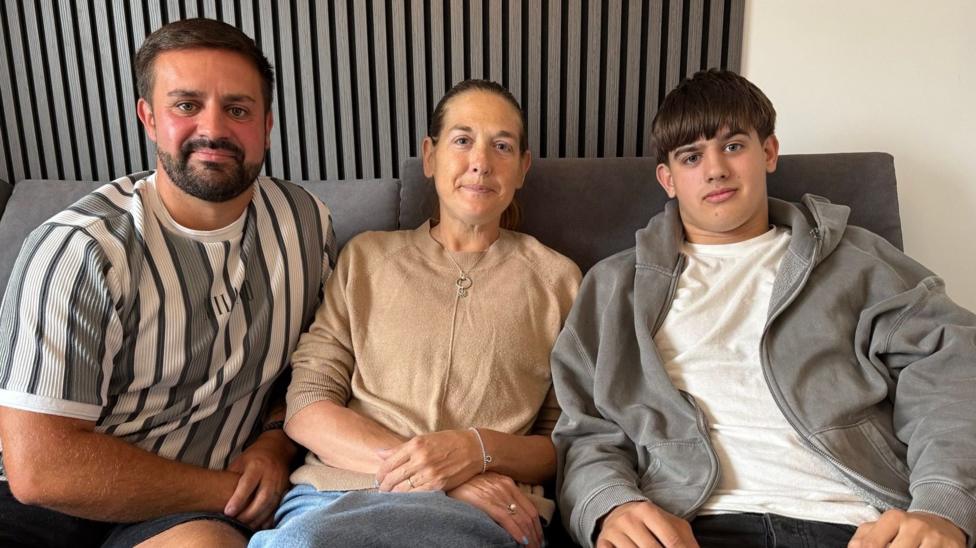
Karen's husband Matthew expressed the family's gratitude while reflecting on the broader significance of Gary's act.
Everyone knows what's going on in the world at the moment, it's a horrible place at times, but it really does give you hope that there is kindness in the world. We'll never, ever be able to repay Gary and the family for what they've done, and to give Karen another chance, another chance of being able to be the mother to our children and just live a life that she deserves. He has given that gift of life.
Karen's son Brandon, 17, witnessed the transformation in his mother following the operation.
She's looked better now than she has in a long while. It can be scary, obviously, when she's going into surgeries, but you just have to have hope. It's just amazing there's still good people out there.
Karen herself expressed awe at Gary's willingness to undergo the procedure for someone he did not know.
The fact that somebody came forward and has gone through all the testing, because it's a lot of testing. For somebody to put their body through that and having a kidney taken out for somebody that they don't know, it's mind-blowing, I'm just so grateful.
How does Gary view his decision?
Gary has shown no regret about his choice. When asked about the experience, he ranked the donation among the most significant events of his life.
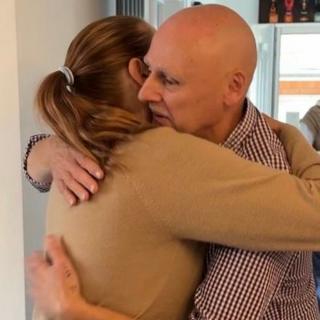
It's amazing seeing Karen today, the first time since the transplant and looking so well. For me, donating a kidney is simply up there with getting married and having my children, it's one of the top three things in my life. And she's a very deserving lady and a deserving family.
His perspective reflects a broader understanding of organ donation as an act of profound human connection. By stepping forward in response to Karen's public appeal, Gary demonstrated that living donation remains a viable pathway for patients who might otherwise face years of waiting for a deceased donor organ.