As September approaches, families across the UK are preparing for the annual shift from summer routines to the structured demands of the school year. Children in Scotland have already returned to school in mid-August, while pupils in England, Wales and Northern Ireland are preparing for their return in the coming days. According to local council timetables, most English schools are scheduled to reopen on Tuesday 1 September 2026, though exact dates vary by area and should be checked locally. To help families navigate this transition smoothly, education professionals and child psychologists have identified six practical strategies that can reduce stress and set a positive tone for the academic year ahead.
How can a consistent morning routine reduce back-to-school stress?
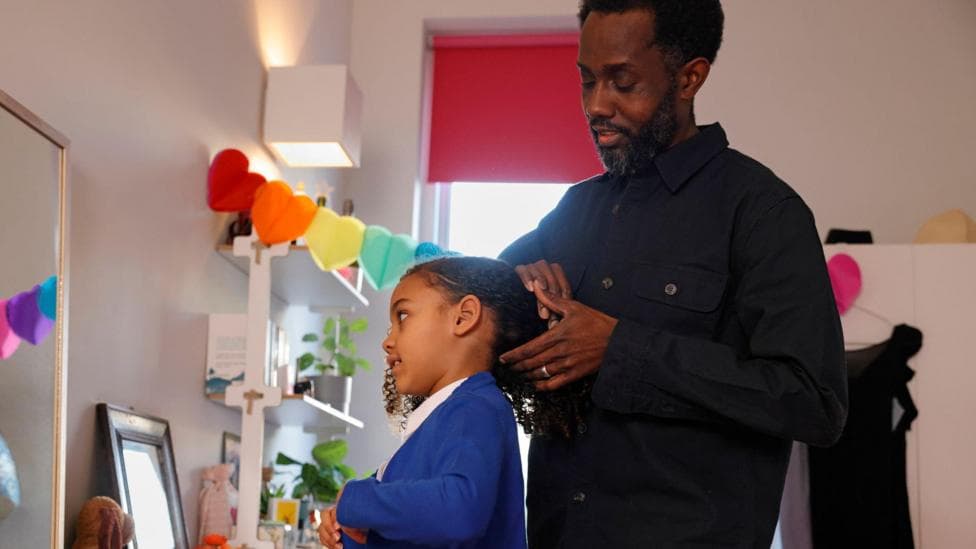
Establishing a predictable morning schedule is one of the most effective ways to manage the demands of the school day. Cerys Parker, a teacher and blogger, begins her mornings 30 minutes before her children wake, using the time for personal reflection and a hot beverage. She then prepares the same breakfast each morning, which the family eats together without screens, followed by showers and preparation for school.
Parker maintains copies of her children's timetables to anticipate what will be needed on particular days, such as PE equipment or specific materials. She ensures that the night before, school bags are packed, shoes are positioned ready, uniforms are laid out and lunch is prepared. Her family departs the house at 07:30 for the bus or 07:50 if Parker is driving them to school on her way to work.

The key to this system is consistency and organisation.
We have things in the same place, so the bags are always in the same location, the keys, and that makes the morning smoother. There's no panic about where everything's going to be.This approach eliminates the daily scramble and creates a sense of calm before the school day begins.
What role does advance planning play in managing the school year?
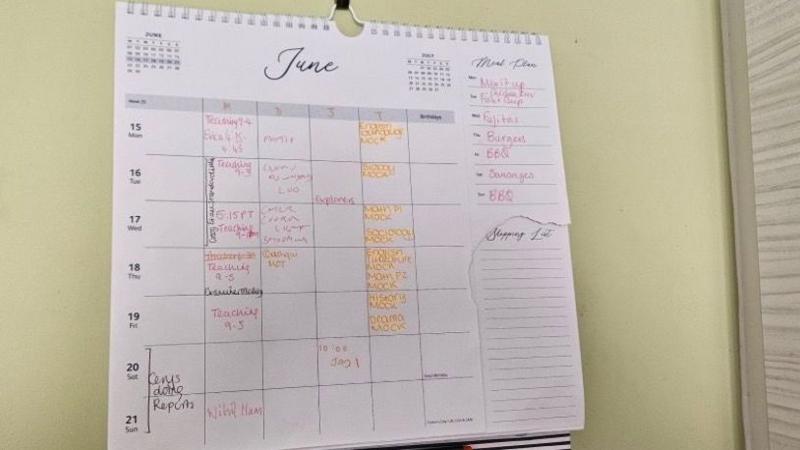
Keeping track of non-uniform days, sports days, examination periods and other school events requires a system that the whole family can access. Parker recommends displaying a family calendar on the wall or refrigerator where it is visible daily.
It's an academic year calendar with a space for each of us, and then an events section, so as soon as a notice comes in, I write it down.This calendar can include meal plans, after-school activities and, depending on the child's age, important examination dates.
Parker notes down key observance days throughout the school year, including Children in Need on Friday 13 November, World Book Day on Thursday 4 March 2027, Red Nose Day on Friday 19 March 2027, and Earth Day on Thursday 22 April 2027. She also maintains a small purse of coins throughout the year in case her children need change for non-uniform days or school bake sales.
How should parents approach conversations about their child's school day?
Many children arrive home from school tired and reluctant to discuss their experiences. Will Shield, professor of child and educational psychology at the University of Exeter, recommends adjusting the approach to these conversations.
Ask some open questions, instead of interrogating them,he suggests.
Ask what made you smile today? Or who did you play with at lunchtime?These questions are considerably easier for children to answer than broad inquiries about what they did during the day.
Parker proposes similar prompts, such as asking what was the silliest thing that happened or what made the child laugh. For younger children, clinical psychologist Dr Martha Deiros Collado emphasises that emotional displays at the school gates should not be viewed with concern.
See it as part of the process of separating and loving you, missing you, which is really important.


What preparation helps children adjust to starting school?
For families with children attending school for the first time, the transition can be significant for both child and parent. Shield recommends that parents familiarise themselves with the new routine by visiting the school, walking or driving past it, and gradually bringing bedtimes forward so the adjustment is not concentrated into the first week. He encourages parents to introduce their child to the concept of school through practical steps such as exploring the school website and trying on new uniform or PE kit.
The goal is to make school feel familiar rather than overwhelming.
Shield adds that you don't want to overwhelm your child with information about school, but get them to a point where it feels "familiar"Deiros Collado emphasises that school readiness extends beyond academic skills.
It's about much more basic things, like feeling comfortable and safe to be in a classroom with other children,she explains.

Building independence at home can bridge the gap between home and school life. Encouraging children to manage tasks independently, such as zipping their own coat, develops confidence.
It's just building that sense of, I'm ready to do this without you,Deiros Collado says. However, she also stresses the importance of teaching children to ask for help when needed.
One of the best skills you can give your little ones is being able to say to an adult, 'Help me,' because you want your kid to be able to say that to a teacher.Practising a goodbye ritual, such as blowing a kiss, can help children become comfortable with separation.
How can parents support homework without creating stress?
Establishing a structured homework schedule each week helps contain the task and prevents it from dominating family time. Katharine Radice, a teacher and author, recommends creating a timetable that may vary week to week depending on activities, but should always be planned in advance rather than left until the last moment.
Doing this puts boundaries around homework and makes it easier to ring-fence distraction-free time,she says.
When supporting children with homework, Radice advises approaching the work in a positive and open manner, listening to what the child finds challenging. She recommends seeking opportunities to acknowledge the child's effort rather than focusing solely on the final result.
If your child thinks their outcomes won't meet your expectations, they may start to feel that their effort is pointless,she explains. This approach helps maintain motivation and prevents homework from becoming a source of conflict.

Why is listening to children's concerns more effective than immediate reassurance?
Some children experience anxiety about returning to school or concerns about the year ahead. Shield recommends sitting with the child and genuinely listening to their worries rather than offering quick reassurance.
Don't immediately reassure them by saying, 'You'll be fine',he advises.
The child's got no evidence they will be fine because they're worried.Instead, phrases such as
I can see you're worriedhelp the child feel heard and understood.
It is worth exploring what specifically is causing the anxiety about school. Shield also recommends gently encouraging the child to recall positive aspects of school, such as lunchtime or playing sports with friends, to help ease some worries. If anxiety becomes severe, affecting sleep or preventing the child from engaging in everyday activities, Shield recommends contacting the school or a local GP for additional support.
What new changes are parents should know about for September 2026?
Parents preparing for the new school year should be aware of changes to school uniform requirements. From September 2026, schools must not require parents and carers to buy more than three items of branded school uniform, with secondary and middle schools allowed four items if one is a tie. This change is intended to reduce the financial burden on families during back-to-school season.
Additionally, parents should verify the exact term dates for their area, as school calendars are set locally and dates vary across different councils and regions. Checking with the local council or school directly ensures families have accurate information about when the autumn term begins and when holidays fall throughout the year.
Key Facts
- Establishing consistent morning routines, with items stored in the same locations, reduces daily stress and prevents last-minute panic
- A visible family calendar helps track non-uniform days, sports events, and important school observances throughout the year
- Open-ended questions about a child's day are more effective than direct interrogation in encouraging communication
- Familiarising children with school through visits, trying on uniforms, and practising separation rituals eases the transition to formal education
- New branded uniform limits taking effect in September 2026 will restrict schools to three items for primary pupils and four for secondary pupils, reducing costs for families