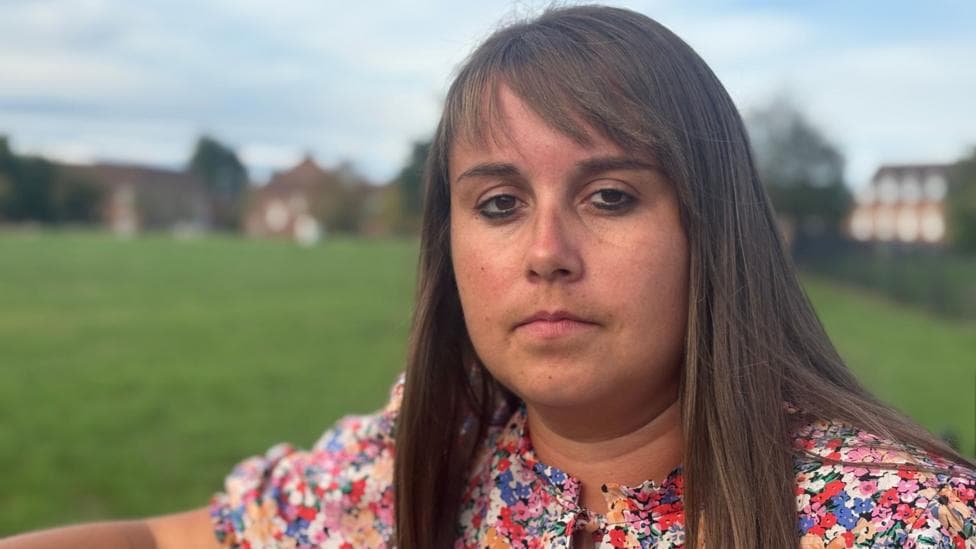
As summer's unstructured days fade, September brings a natural opportunity to recalibrate goals and establish routines that carry momentum into the final quarter of the year. Content creator and podcast host Cami Sophia, 24, from Northampton, has become a vocal advocate for what she calls "getting ahead of the game"—a philosophy that has resonated across social media as the "September Reset" trend gains traction.
Unlike the all-or-nothing approach of New Year's Resolutions, the September Reset represents a gentler, more sustainable philosophy. Creators are championing incremental changes designed to finish the year strong, rather than sweeping life overhauls. According to a recent survey, 50% of people explicitly view September as a fresh start or reset moment, reflecting how deeply this timing resonates with the public.
The scale of online engagement underscores the trend's momentum. Google Trends data shows searches for "September reset" surged 1367% this month, while 3,652 TikTok posts have used the hashtag #SeptemberReset, demonstrating how widely the concept has spread across digital platforms.
Why does September offer a unique reset opportunity?
September marks a psychological turning point tied to back-to-school timing and the return to structured routines. For Cami, the month signals the end of summer spontaneity and a chance to restore order to daily life. "If you've been away for the summer you've probably not had a massive routine," she explains. "And if you're a parent, then you've got kids at home and it's just a bit more chaotic."
The month feels like a natural moment for "getting back into your own rhythm" and ensuring "everything is sorted" before January arrives, when many people attempt multiple changes simultaneously. This staggered approach prevents the overwhelm that often derails New Year's resolutions.
Bas Verplanken, professor emeritus of social psychology at the University of Bath, frames September as an ideal moment to "reorient yourself." His research reveals that people who experience significant life disruptions—such as relocating—become more receptive to interventions aimed at promoting sustainable behaviours than those without such transitions. "It's really an exciting way of looking at disruption," he noted in a podcast discussion.
For those whose existing commute or school run functions well, maintaining those patterns makes sense. However, Verplanken emphasises that September is the ideal window to explore alternative approaches. "If there are alternative ways of doing things, explore it, this is the time to do it, and to make those changes," he advises.
What areas should you target for change?
Social media overflows with September Reset content ranging from decluttering bedrooms and clearing wardrobes to starting new books and taking walks. However, Cami cautions against becoming paralysed by videos showcasing elaborate spreadsheets of radical transformations. "It's very easy to look at all of these things and what you should apparently be doing and get really overwhelmed," she warns.

Her approach begins with reflection: reviewing goals set at the start of the year and identifying which ones remain meaningful, then determining the concrete steps needed to bridge the gap between current reality and desired outcomes. From this assessment, she recommends selecting just three small "non-negotiables"—manageable commitments that require minimal effort.
Examples might include eating fruit with breakfast, including vegetables with dinner, or drinking water before coffee. These micro-habits avoid the burnout that accompanies attempting too many changes at once. Cami's own reset includes resetting sleep patterns through consistent alarm-setting, a deceptively simple intervention with measurable impact.

What makes new habits actually stick?
Planning emerges as the cornerstone of sustainable change. Cami dedicates Sunday mornings to mapping her week: meal selections, scheduled workouts, and even outfit choices for work days. This advance preparation serves a dual purpose—it saves time during the week and removes decision fatigue from daily life.
The strategic removal of friction proves equally important. By meal-prepping three days' worth of overnight oats on Sunday, Cami ensures that grabbing a prepared breakfast becomes the easiest option. "I've removed the friction of grabbing a quick meal or not having any breakfast," she explains. This principle—making desired behaviours the path of least resistance—underpins habit formation psychology.
Verplanken's research confirms that lasting habits develop when routines are designed to make new behaviours effortless. He advocates for creating "specific plans of where, when, and what you will do." For example, someone aiming to lose weight might commit to checking fat and sugar content every time they visit the supermarket. These predetermined decision points mean that correct choices happen automatically, without requiring willpower in the moment.
When such specific plans are executed repeatedly, they become "extremely effective" at embedding habits into daily routines. The key is designing your environment and schedule so that the behaviour you want to adopt requires less effort than alternatives.
How has the September Reset trend evolved?
The September Reset has crystallised into what some observers call "The Great Lock In," a broader cultural moment centred on self-improvement and routine-building. This framing reflects a spike in content focused on intentional living and structured habits across social platforms.
Cami Sophia herself promoted a "Girl New Year" reset concept on 1 September 2026, extending the philosophy beyond individual habit-building into a collective cultural moment. Her podcast, which featured a dedicated episode on September resets, continues to explore themes of intentional living, with new content scheduled for 2 September 2026.
The timing aligns with broader media attention to the trend. A related radio programme examining whether people should return to structured routines aired on 1 September 2026, bringing expert perspectives on habit formation to a wider audience and legitimising the September Reset as more than a fleeting social media trend.
Key Facts
- Half of UK respondents view September as an explicit fresh start or reset moment, according to recent polling data
- Searches for "September reset" increased 1367% this month, with over 3,600 TikTok posts using the dedicated hashtag
- Experts recommend selecting three small, manageable "non-negotiables" rather than attempting multiple major changes simultaneously
- Advance planning—particularly meal prep and schedule mapping—removes daily decision-making and makes desired habits the easiest option
- September resets work best when they exploit natural life transitions, such as returning to school or work routines