A farming union has urged the Scottish government to provide financial assistance for livestock farmers affected by movement restrictions designed to contain the bluetongue virus outbreak in south-west Scotland. The National Farmers' Union Scotland contends that farmers within the affected region are bearing an unfair share of the burden to protect the country's broader livestock sector.
A temporary control zone (TCZ) covering much of Dumfries and Galloway and parts of Ayrshire was introduced on 20 August 2026 to limit the movement of animals and prevent further spread of the disease. The outbreak was first detected in Scotland on 8 August at a farm in Creetown, with the virus subsequently confirmed at additional premises across the region.
According to the most recent official data, bluetongue serotype 3 (BTV-3) has infected 59 cattle and 11 sheep across 10 farms in Scotland. The affected farms are located around Newton Stewart, Lockerbie, Castle Douglas, Kirkcudbright and Dalbeattie. Experts attribute the outbreak to infected midges blown across the border from England, where significantly more cases have been recorded.
What support are farmers requesting?
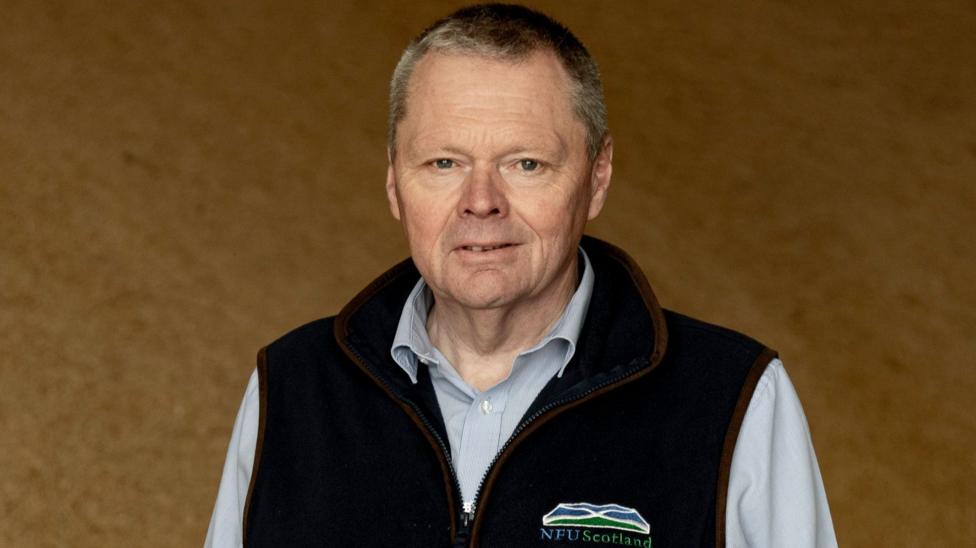
NFU Scotland president Andrew Connon has called on the Scottish government to fund animal testing costs for livestock moving out of the TCZ, guarantee adequate vaccine supplies, and help finance vaccination programmes within the zone.
Farmers in Dumfries and Galloway and Ayrshire understand why action is being taken and the importance of protecting Scotland's livestock industry from bluetongue. But those caught within the TCZ are now being asked to shoulder a significant burden on behalf of the wider industry. They cannot be expected to carry that alone.
Connon emphasised that the timing of the restrictions creates particular hardship for the farming community.
We are approaching a critical period for store and breeding sales, when large numbers of cattle, calves, lambs and breeding sheep would normally be moving. Restrictions on those movements could have serious consequences for farm businesses and, if they continue for any length of time, animal welfare. Our immediate priority must be getting vaccination into the right places and establishing practical arrangements that allow essential livestock movements to take place safely. Government support with testing and vaccination costs is essential.
The movement restrictions have been tightened since the outbreak began. According to Scottish Government guidance updated on 22 August 2026, the previous "4 day" rule for Scotland-to-England and Wales show and market trips has been replaced with a same-day return requirement, significantly limiting farmers' ability to participate in livestock markets.


How is the government responding?
Agriculture Minister Jim Fairlie acknowledged the difficult circumstances facing farmers in the control zone.
I want to thank farmers, vets, NFU Scotland and other stakeholders across the industry for their co-operation and tireless work in helping to control the spread of this disease. Their vigilance in reporting cases, collaboration with surveillance and testing, and adherence to the restriction zones have made a real difference, and the resilience shown throughout has been remarkable.
Fairlie stated that the Scottish government's objective has been to implement
proportionate measuresto control bluetongue transmission while minimising business disruption. He indicated the government would consider the points raised by the farming union and pledged to work with all stakeholders to manage the situation
swiftly and transparently as the situation develops.
The government has indicated that current controls are expected to remain in place until at least 9 September 2026, when they may be reduced as temperatures fall and midge activity decreases. All movement of livestock in or out of the zone currently requires a licence, with keepers required to record inventories of animals on affected premises, including numbers dead, alive, and likely infected.
What happens next?
From 10 September 2026, livestock moving from a bluetongue restricted zone into Scotland will require vaccination, with only limited exemptions permitted. The temporary control zone declaration remains in force until it is revoked or replaced by another zone designation, depending on how the outbreak develops.
What is bluetongue and how does it spread?
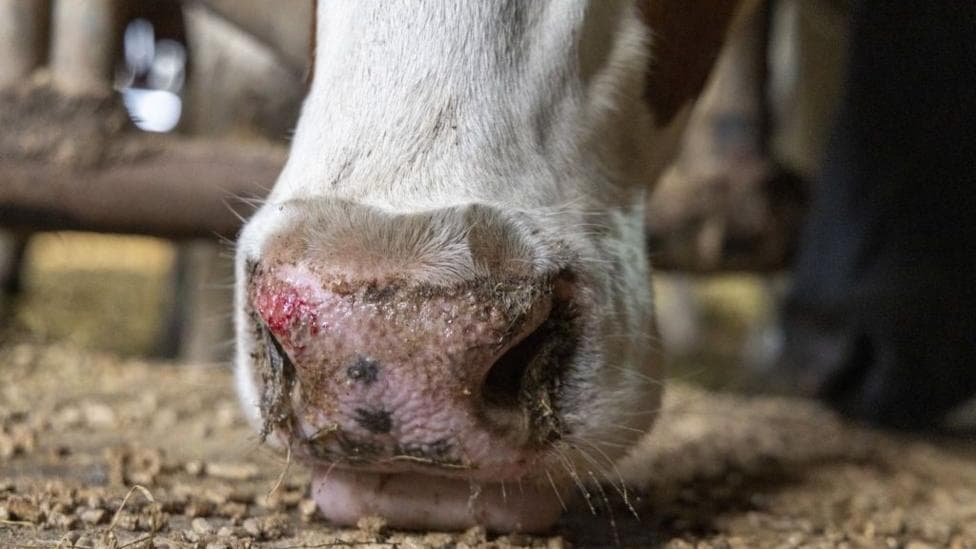
Bluetongue virus does not affect human health or food safety, but it causes a high mortality rate in infected sheep and fertility problems in infected cattle. Symptoms in affected animals include nasal discharge, redness and swelling of the lips, nose and muzzle, lameness or reluctance to stand, decreased milk production in cattle, and diarrhoea. The disease is transmitted by infected midges and cannot spread through direct contact between animals or contaminated feed.
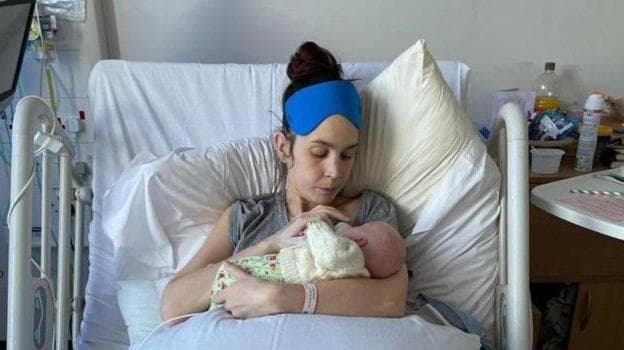
The outbreak in Scotland represents the first time the virus has been detected north of the border. Fiona Johnson, whose Creetown farm was the first confirmed case in Scotland, described the impact of the diagnosis on her operation and the wider farming community in the region.
Key Facts
- Bluetongue serotype 3 has infected 59 cattle and 11 sheep at 10 farms in Scotland since 8 August 2026
- A temporary control zone covering Dumfries and Galloway and parts of Ayrshire was introduced on 20 August 2026 to restrict animal movements
- NFU Scotland is calling for government funding of testing, vaccination costs, and vaccine supply guarantees for affected farmers
- Movement rules were tightened on 22 August 2026, replacing the 4-day rule with same-day return requirements for market trips
- From 10 September 2026, livestock moving from a bluetongue restricted zone into Scotland will require vaccination