One of Scotland's largest prisons is pioneering a novel approach to managing an ageing inmate population, establishing a dedicated facility designed to address the complex needs of older prisoners and those experiencing cognitive decline.
At HMP Edinburgh, a specially designed area known as The Basement serves as a meeting space where elderly inmates and those showing signs of dementia can gather for social activities, games, and companionship. The facility represents an attempt to tackle a growing challenge facing the Scottish prison system: the rising number of older people entering custody and remaining behind bars as they age.
The prison currently holds 934 inmates, exceeding its designed capacity by more than 60 places. Among these, 65 are aged 65 or over, and 24 are receiving dedicated care support due to age-related frailty. This demographic shift reflects broader trends in Scottish sentencing and criminal justice. According to the Scottish Sentencing and Penal Policy Commission, people aged 50 or older now comprise 15.9% of the prison population, up from 6.3% in 2009-10, with 2,505 people in that age group spending time in custody during 2024-25.
The growth in older prisoners stems partly from sentencing patterns. Individuals convicted of sexual offences or involvement in organised crime frequently receive lengthy sentences, meaning they grow old within the prison system. Others enter custody already in their later years.
How did The Basement come about?
Prison managers at HMP Edinburgh recognised a gap in the services available to older inmates. Kerry McMenemy, a first line manager with the Scottish Prison Service, explained that staff noticed elderly prisoners were withdrawing from prison life and spending excessive time in their cells, which could worsen their condition.
The Basement was established in partnership with Meeting Centres Scotland, a charity supporting people living with dementia. The space differs markedly from the main prison environment, featuring home comforts such as couches and a more relaxed atmosphere. Trained carers work within the facility to support inmates with daily activities and social engagement.
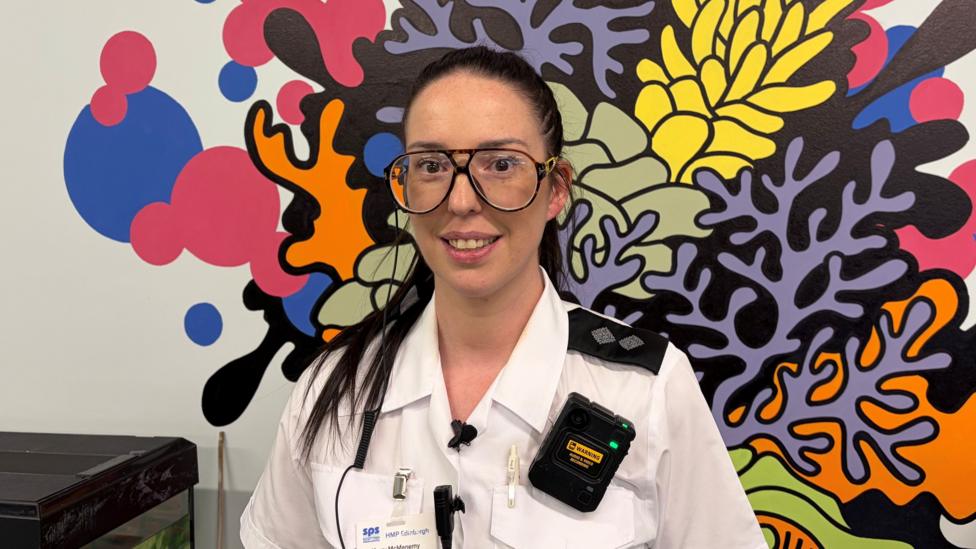
McMenemy described the philosophy behind the initiative:
We take the guys down there and try to make it more like care home vibes. We'll do activities with them down there and have games and music. We also get people that come in and do things with them. A lot of the older population go into themselves and don't come out of their cells much so we're trying to make a safe space for them to relax.
In May 2026, Meeting Centres Scotland reported that The Basement had officially launched as a Meeting Centre, with prisoners engaging in board games and discussions about dementia awareness. Three inmates volunteered to help adapt the centre's guidance materials for prison settings.
What challenges do older prisoners face?
Managing an ageing prison population presents logistical and medical complexities that extend beyond simple numbers. HMP Edinburgh Governor Scott Watson outlined some of these difficulties, noting that the prison must regularly assess which inmates can occupy the most accessible cells and which can safely use upper bunks.
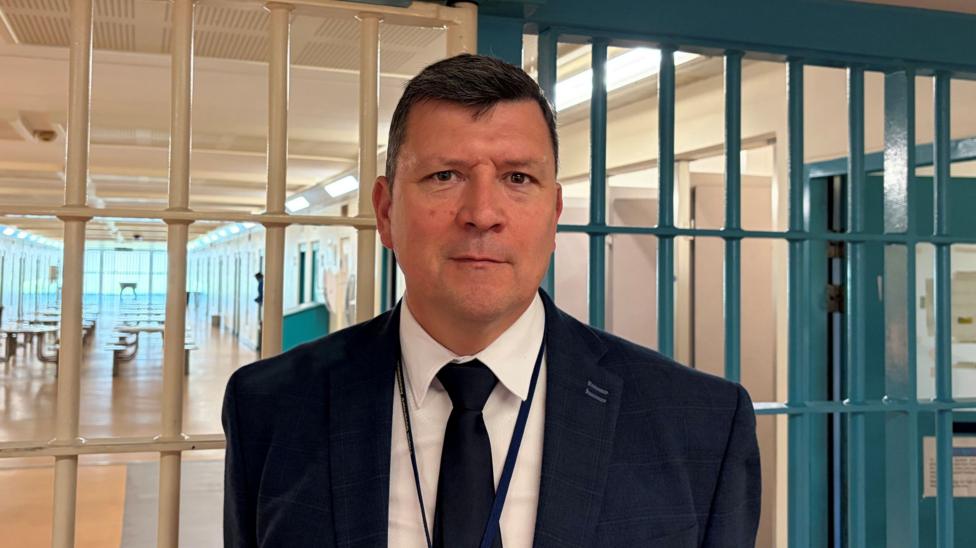
Watson stated:
We have a large number of elderly and infirm prisoners which means we have an increased number who need to go to hospital for acute medical reasons but, more importantly, every week we are having to try to determine who can go in the most accessible cells.
He elaborated on the practical challenges:
It's not such an issue for individuals in their 30s, for example, but two guys in their 60s means one of them is having to climb up onto the top bunk.
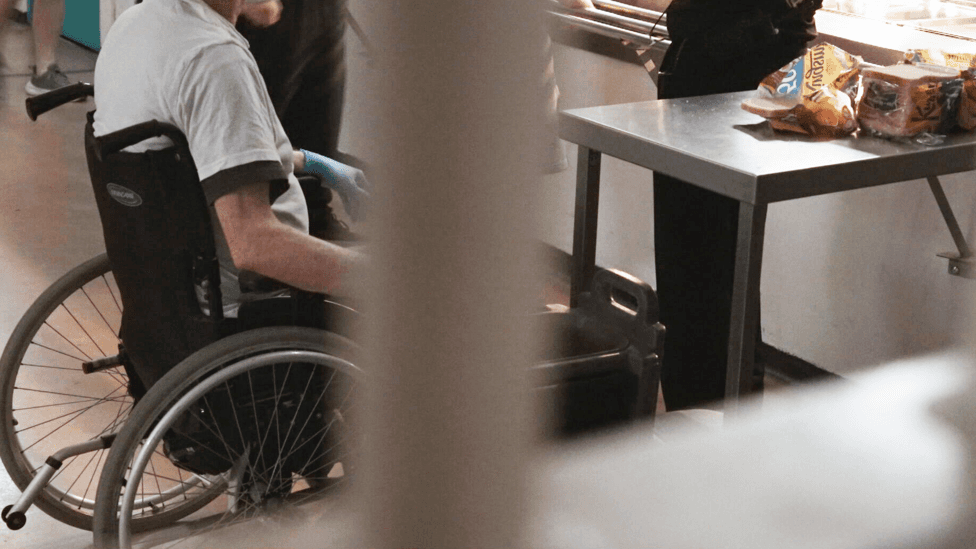
The prison operates a 24-hour care service to support older inmates with essential daily functions including washing, dressing, and mobility assistance. Some prisoners use wheelchairs or walking frames, while others struggle with conditions such as Alzheimer's disease. Many of these individuals prefer to remain in their cells, where they feel secure, rather than participate in wider prison activities.
Research into this issue underscores its significance. A 2025 study of dementia care in prison describes the complex health and social care needs of people with diagnosed or suspected dementia as a growing concern for prisons and healthcare staff.

How are staff identifying and supporting dementia?
McMenemy noted that fellow prisoners often become the first to notice symptoms of cognitive decline in their peers. Some inmates arrive at the prison already diagnosed with dementia, while others develop symptoms while incarcerated.
She observed:
A lot of them are very confused. We just try to make it as normal for them as we can and we're hoping that the meeting centre we've built will help with that. It's about getting them out and not staying in their cells all the time as that could make it worse.
The Basement serves both inmates formally diagnosed with dementia and elderly prisoners who isolate themselves. Many have formed friendships within the facility after transferring from different prison areas. McMenemy emphasised the social dimension of the work:
It's just trying to build a wee community within the prison as well as helping them come out their shells.
Should some older prisoners be released?
Governor Watson raised a broader question about the appropriateness of custodial sentences for certain elderly and infirm inmates. While acknowledging that dangerous individuals must remain imprisoned, he argued that some older prisoners whose risk could be safely managed in the community should be transferred to more suitable settings.
Watson stated:
There's wheelchairs and Zimmer frames and some individuals with Alzheimer's who are really struggling to cope within the prison who just try to stay within their cell. That's where they feel safe and there's a lot of work going on to try and encourage them to come out and be part of the prison community.
He added:
Dangerous people should absolutely be in prison, but I would argue that there are some elderly and infirm inmates whose risk could safely be managed in the community. They should be managed somewhere more suitable for them rather than the most secure conditions that are within Scotland.
McMenemy reinforced this perspective, stating:
It's hard enough being in prison - the punishment is being in prison - but I think the older population do deserve to be treated the same way as we would treat our own families outside. For people with dementia, especially, if they're waking up and not knowing where they are, I think everybody deserves to be treated with respect at that age.
What are the financial implications?
The costs of supporting an ageing prison population are substantial. Social care expenditure across the entire Scottish Prison Service estate has risen from £2,877,000 in 2024-25 to £2,950,000 in 2025-26. The average cost per prisoner place for 2025-26 stands at £55,091. Across Scotland's entire prison system, 8,535 people are currently in custody.
The rising social care costs reflect both the growing number of older inmates and the intensive support they require. HMP Edinburgh's experience demonstrates that providing appropriate care within a prison setting demands significant resources and specialist staff.
Could this model be expanded?
HMP Edinburgh hopes to replicate The Basement model across other Scottish prisons. The facility has received positive feedback from participants, with increasing numbers of inmates requesting to join activities.
McMenemy reported:
It's been very positive so far and we're getting a lot of good feedback from the guys and a lot more people wanting to come down and join in.
What happens next?
The Scottish Sentencing and Penal Policy Commission has recommended routine assessment of older prisoners' needs and risks at age 60, along with establishing a mechanism to transfer suitable individuals to community-based settings, including aged-care facilities. Such measures could reduce the number of older people held in secure conditions and redirect resources toward more appropriate care environments.
The prison system faces mounting pressure from overcrowding and an ageing population. HMP Edinburgh's initiative represents one response to these challenges, but broader policy changes may be necessary to address the fundamental question of whether custodial settings remain appropriate for all elderly and infirm prisoners.
Key Facts
- HMP Edinburgh holds 934 inmates, 65 of whom are aged 65 or over, with 24 receiving dedicated care support due to age-related frailty
- The Basement, a dedicated facility for older inmates and those with dementia, operates 24 hours a day with trained carers supporting daily activities and social engagement
- People aged 50 or older now comprise 15.9% of Scotland's prison population, up from 6.3% in 2009-10, reflecting longer sentences for serious offences and older entry ages
- Social care costs across the Scottish Prison Service have risen to £2,950,000 in 2025-26, with the average cost per prisoner place at £55,091
- Prison governors argue that some elderly and infirm inmates could be safely managed in community-based settings rather than secure conditions