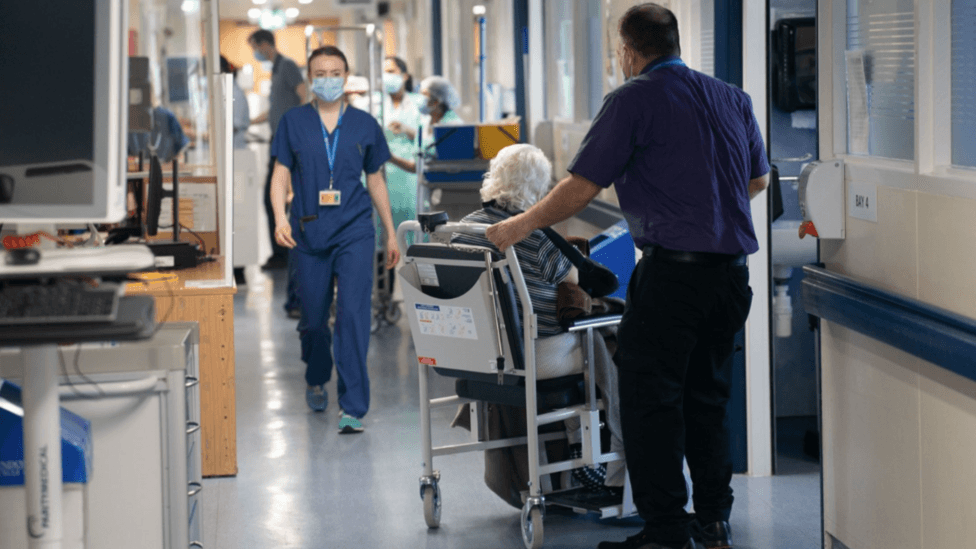
Scotland's Health Secretary Angela Constance has announced a comprehensive strategy to eliminate the practice of treating patients in hospital corridors, declaring such arrangements "unacceptable" under a new Health and Care Improving Flow Plan unveiled on 31 August 2026.
The plan, which runs through 2031, directs NHS health boards to phase out corridor care entirely and represents a significant shift in how Scottish hospitals manage patient flow. Constance framed the initiative around patient access rather than administrative targets, emphasising that the scheme would prioritise emergencies, life-threatening conditions and specialist care while expanding treatment options in community settings.
"At its heart, improving hospital flow is not about targets, processes or organisational structures. It is about people and ensuring they can access the care they need, when and where they need it."
The announcement comes as the Royal College of Emergency Medicine has urged Scottish health leaders to collect and publish data on corridor care, a move the government is actively considering as a first step toward eradication.

How will care be delivered differently?
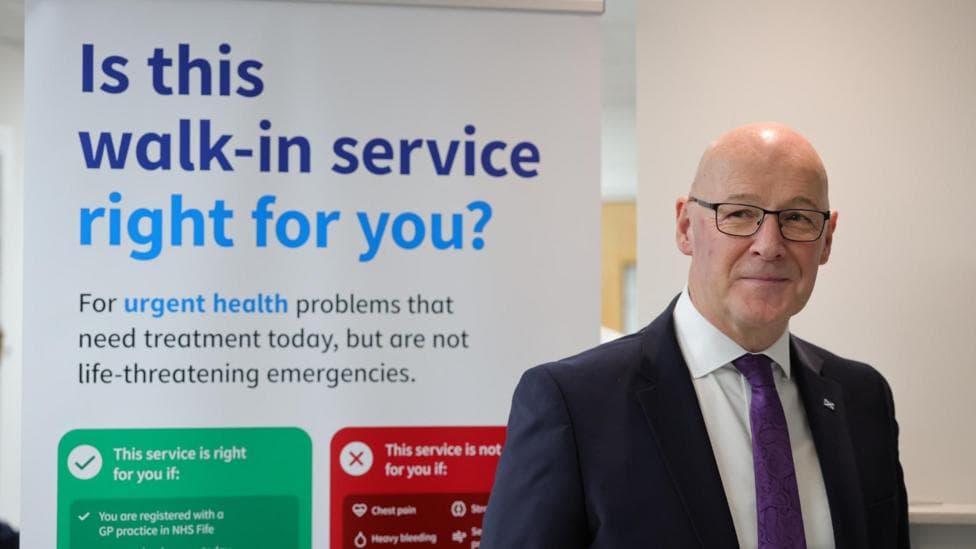
The plan envisions a substantial shift toward treating patients outside hospital walls. Constance outlined that more care will be delivered through pharmacies, community-based hubs including GP walk-in services, and preventive programmes such as healthy heart and lung checks. However, she acknowledged that patients requiring the most highly specialised treatment may need to travel further to access appropriate facilities.
A key component involves expanding Hospital at Home services, with the Scottish Government committing to expand this provision to at least 2,000 beds by the end of 2026, potentially making it Scotland's largest hospital. The plan also establishes new "integrated navigation centres" delivered jointly by NHS 24, the Scottish Ambulance Service and health boards to direct patients to appropriate care pathways.
"Where people are experiencing a life-threatening emergency or requiring acute care, they will continue to be cared for in a hospital setting."

These navigation centres are designed to refer patients to a wider range of services, reducing the number of people who need to wait in A&E departments.
What are the targets for hospital discharge?
The plan aims to discharge the majority of patients from hospital within three days "where clinically safe", a significant reduction from current average lengths of stay. This target forms part of a broader effort to improve what the government describes as "first time of asking" access—enabling patients to receive needed healthcare at their initial contact with the system through an enhanced urgent care triage system.
In A&E specifically, Scotland operates under a target that 95% of patients are seen, admitted, transferred or discharged within four hours of arrival. Despite performing better than England and Wales in recent years, Scotland remains substantially below this benchmark. Non-urgent treatment waits in Scottish hospitals can extend into months and years, with the longest waits exceeding 52 weeks. Although these extended waits have fallen for nine consecutive months, a government target to eliminate them entirely by the end of March was not met.
What prompted this plan?
The announcement follows a challenging period for Scotland's NHS. In August 2026, NHS Grampian's operational priorities referenced the national hospital flow plan as part of efforts to improve unscheduled care flow and reduce occupancy pressures. More significantly, NHS Grampian suspended all planned paediatric surgery at Dr Gray's hospital in Elgin following concerns about the quality and safety of care for children, after an unannounced inspection by Health Improvement Scotland in April.

What are the broader patient safety concerns?
The flow plan emerges against a backdrop of serious allegations about institutional culture within Scotland's NHS. Dr Iain Kennedy, outgoing chair of the British Medical Association Scotland, has claimed that Scotland's NHS prioritises institutional reputation over patient safety. He stated that clinicians who raise concerns often face personal attacks and career consequences, describing a pervasive culture of concealment designed to protect health board reputations and government standing.
These concerns were reinforced when a scientist involved in constructing Glasgow's Queen Elizabeth University Hospital submitted a late submission to the Scottish Hospitals Inquiry claiming that his safety concerns had been ignored for 15 years. The allegations suggest systemic resistance to transparency about operational problems within major NHS facilities.
How will implementation be monitored?
Constance committed to ongoing evaluation of the plan's implementation across health boards. She indicated that services performing well would receive support to spread effective practices, while underperforming services would receive targeted assistance and, if necessary, decisive intervention to improve patient outcomes.
The Health and Care Improving Flow Plan represents the Scottish Government's formal response to longstanding pressures on hospital capacity and patient flow. The plan was delivered as part of a commitment to publish the strategy within the first 100 days of the current parliamentary session, reflecting its status as a priority health policy initiative.
Key Facts
- The Health and Care Improving Flow Plan, published on 31 August 2026, explicitly states that corridor care "should be eradicated" and declares such arrangements "unacceptable"
- The plan aims to discharge most patients within three days where clinically safe and expand Hospital at Home to at least 2,000 beds by the end of 2026
- Scotland's A&E performance target of 95% of patients seen, admitted, transferred or discharged within four hours remains unmet, though the nation performs better than England and Wales
- NHS Grampian suspended planned paediatric surgery at Dr Gray's in Elgin following safety concerns identified in an April inspection
- Senior medical figures have alleged that Scotland's NHS prioritises institutional reputation over patient safety, with clinicians facing career consequences for raising concerns