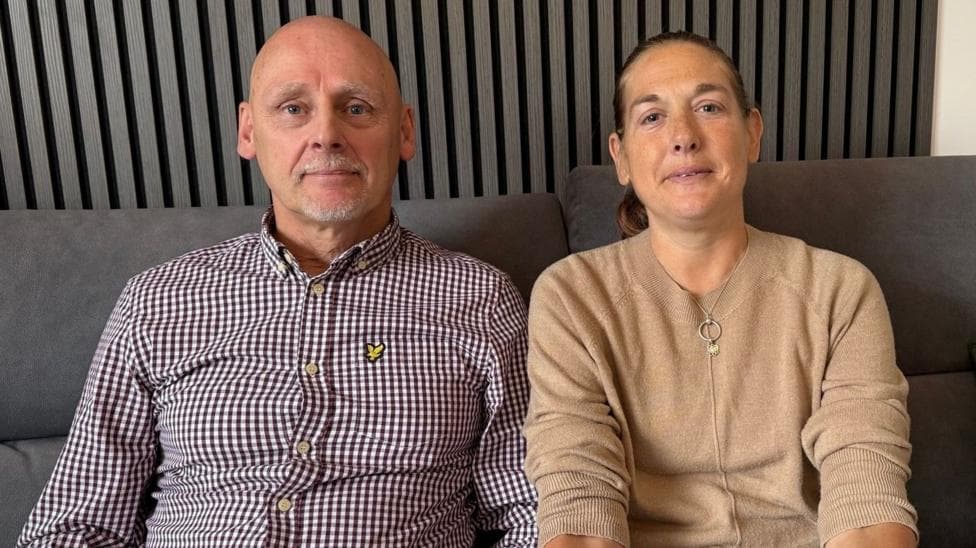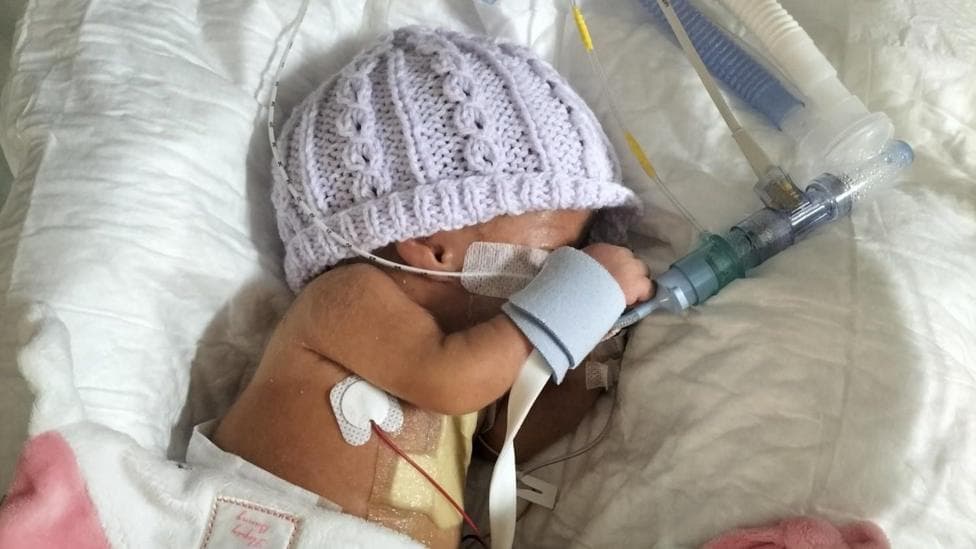
The lives of Scotland's most fragile newborns face mounting danger as a government plan to restructure intensive care for premature and critically ill infants remains stalled nearly a decade after its announcement, medical professionals and patient advocates have warned.
In 2017, the Scottish government proposed consolidating neonatal intensive care units from eight to three, centralising provision for the sickest babies while converting other units to local facilities offering limited intensive care. Despite clinical evidence supporting the move, implementation has repeatedly been delayed, with no confirmed timeline for rollout.
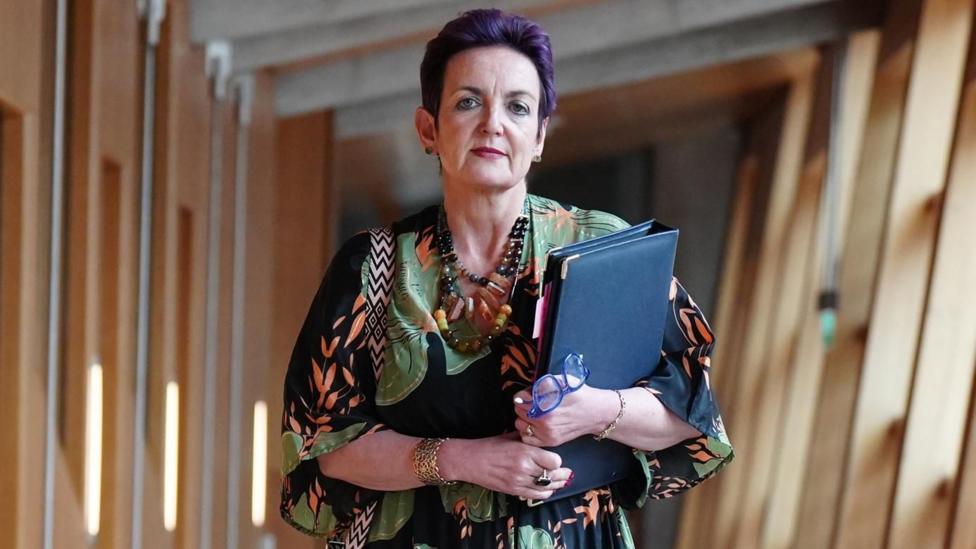
Health Secretary Angela Constance acknowledged the urgency of the situation, stating that further postponement was untenable.
These changes will be made,she said, though she stopped short of committing to a specific date for implementation. She emphasised the importance of ensuring adequate resources and proper organisation before proceeding.
What would the reorganisation involve?
Under the proposed model, three national neonatal intensive care units would be established at Aberdeen Maternity Unit, Edinburgh Royal Infirmary, and Royal Hospital for Children in Glasgow. These would serve babies weighing less than 800 grams (1 pound 12 ounces) or those requiring specialist complex care. The five existing units in Dundee, Wishaw, Kirkcaldy, Kilmarnock, and the Princess Royal Maternity Hospital in Glasgow would transition to local neonatal units, providing basic intensive care for other infants.
According to NHS guidance on the new model of neonatal care, a national Task and Finish Group was established to drive progress throughout 2026, with health boards preparing the transition and funding arrangements still requiring agreement for the downgrade at certain sites.
Why are doctors supporting centralisation?
Medical evidence strongly backs the consolidation approach. Dr Stephen Wardle, president of the British Association of Perinatal Medicine, stated that larger centres demonstrably improve survival rates for the sickest infants by providing access to highly trained specialist staff, advanced equipment, and surgical capabilities.
Delays in making progress with these proposals will be affecting the outcome for some of these babies,he said.
Ten years is an awfully long time to wait for these changes.
Professor James Boardman, a consultant neonatologist with the NHS and University of Edinburgh, characterised the evidence supporting centralisation as
unequivocaland described it as
a matter of life and deathfor the most vulnerable, low-weight babies.
England implemented a similar restructuring in 2003, and Scotland has been identified as lagging behind in adopting comparable best practices. The government estimates that only 50 to 60 of the most premature and fragile babies annually would be directly affected by the reorganisation.
What obstacles are preventing implementation?
Doctors and charities supporting the proposals have criticised ministers for failing to ensure sufficient capacity before proceeding. Dr Wardle identified delays as stemming from inadequate cot availability, insufficient staffing levels, and the physical space required to expand the larger centres.
According to reporting by the Scotsman in August 2026, Constance defended the centralisation plan and stated the Scottish Government was pressing ahead with it. However, a parliamentary record from December 2025 revealed the programme had fallen behind schedule because maternity modelling and financial modelling had consumed more time than anticipated.

Significantly, the number of cots in units earmarked for intensive care has not yet increased as planned. Meanwhile, the number of births in Scotland has declined over the past two decades, as has the number of babies requiring intensive care, according to available NHS data.
Why are some parents opposing the changes?
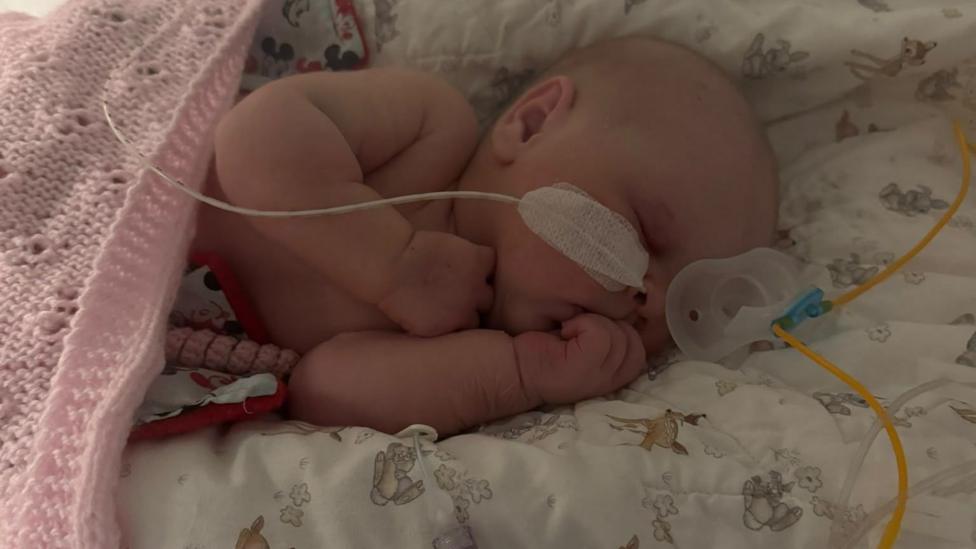
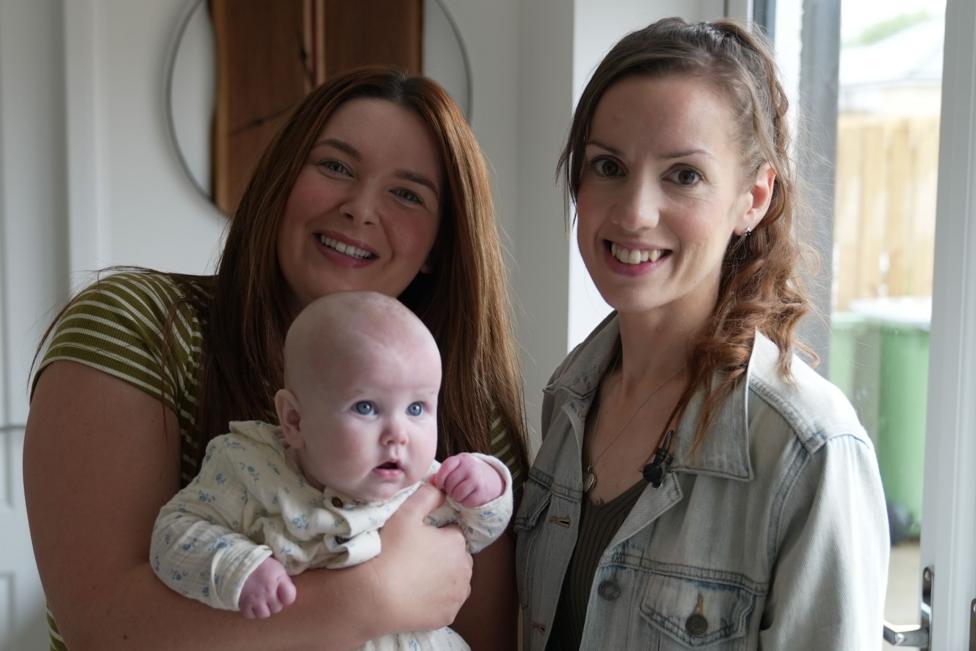
Substantial opposition has emerged from families who fear that reducing local intensive care capacity will compromise safety given existing strain across Scotland's neonatal services. Lauren Bruce from Blairgowrie experienced this pressure firsthand when her daughter Grace was born at 37 weeks at Ninewells Hospital in Dundee in March 2026. Immediately after delivery, Grace became critically ill and required admission to one of four intensive care cots at the unit. Under the proposed changes, Ninewells would retain only one or two cots.
On the night Grace was born, three other infants also needed intensive care, but Bruce was informed no capacity existed anywhere in Scotland.
I think that really highlights the pressure that these hospitals are already facing with four intensive care cots there,she said.
What's it going to be like when it's only one?
Kelly Dalley faced a similar situation with her daughter Annabel, who was born prematurely at 32 weeks. Although Dalley had anticipated her baby would require transfer to Glasgow for heart surgery, Annabel became seriously unwell at 12 days old.
At that point there was no space in Glasgow, Edinburgh and Aberdeen and staff at Ninewells kept her alive until she was stable,Dalley explained.
I dread to think what the outcome would have been if that capacity at Ninewells wasn't there.
A parliamentary committee is currently examining a petition from campaigners seeking to halt the reorganisation entirely. Petitioner Lynne McRitchie has raised concerns about outstanding questions regarding published documents and clinical evidence, including conflicting figures about the number of babies affected. Particular concerns have surfaced around the Wishaw neonatal unit, with clinicians writing to the committee expressing doubts about the new model and its impact on families in Lanarkshire.
The scrutiny process has deteriorated into dispute, with the government accusing campaigners and media outlets of disseminating
repeated misinformation.
Who supports the centralisation plan?
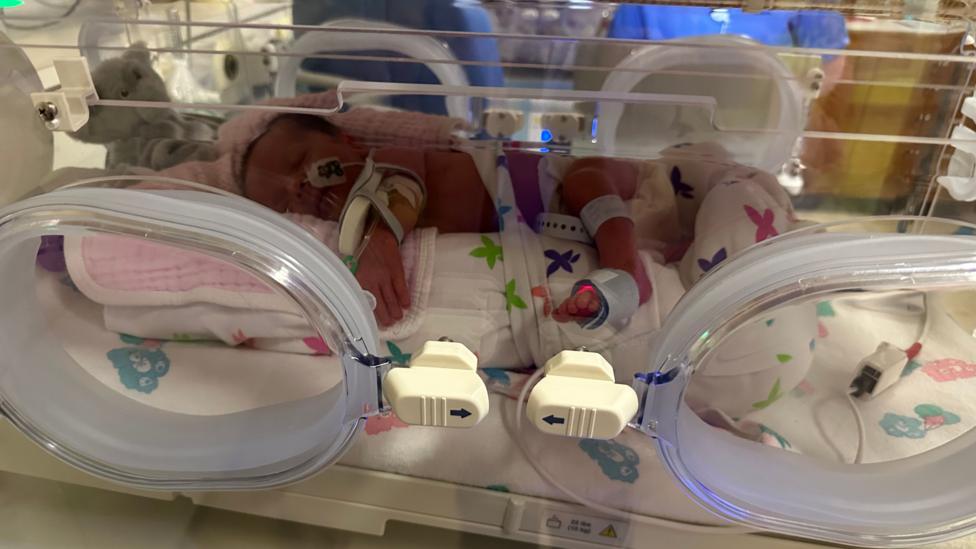
Not all parents oppose the changes. Euan Duff's daughter Nula was born prematurely and stopped breathing shortly after birth, spending six weeks in the neonatal unit at Aberdeen Maternity Hospital—one of the proposed locations for a national intensive care centre.
Even though it was a really traumatic experience with Nula, I would want my baby taken care of in the best place,Duff said.
You can't expect to have all of the most specialised staff in every unit. We would have gone to London if we had to. It is about getting the right care.He added that observing regular transfers from his unit to other hospitals for additional treatment and operations had made the rationale for centralisation clearer.
Bliss, a charity supporting premature babies and their families, also backs the reorganisation, arguing that Scotland cannot sustain more than three neonatal intensive care units given the population of babies requiring such care. However, chief executive Caroline Lee-Davey expressed frustration with the delays, stating they had been
hugely frustrating.She called for government reassurance regarding staffing levels, cot numbers, transportation arrangements, and on-unit accommodation for parents. Lee-Davey described it as a
travestyfor babies not receiving appropriate care in larger, fully-equipped, fully-staffed specialist centres.
What is the timeline for decision and implementation?
According to a parliamentary report from 11 June 2026, the review was scheduled to commence after summer and conclude within nine months, indicating the timetable had shifted further than originally planned. One August 2026 report suggested the review was expected to conclude around June 2027, with final recommendations published approximately July 2027.
Constance stated she had received reassurances from health chiefs that capacity could be expanded, but emphasised the importance of proceeding in
a phased, planned way.She declined to announce a new implementation date but acknowledged that
I don't think we can delay much longer.
Key Facts
- The neonatal care restructuring was announced in 2017 but remains unimplemented, with no confirmed rollout date despite clinical evidence supporting the move
- The plan would reduce intensive care units from eight to three, affecting approximately 50–60 of Scotland's most premature and fragile babies annually
- Delays stem from insufficient cot capacity, staffing shortages, and physical space requirements at proposed centralised sites
- Medical professionals argue centralisation improves survival rates, while some parents fear reduced local capacity will compromise safety during emergencies
- A parliamentary review is expected to conclude by mid-2027, with recommendations potentially published by July 2027