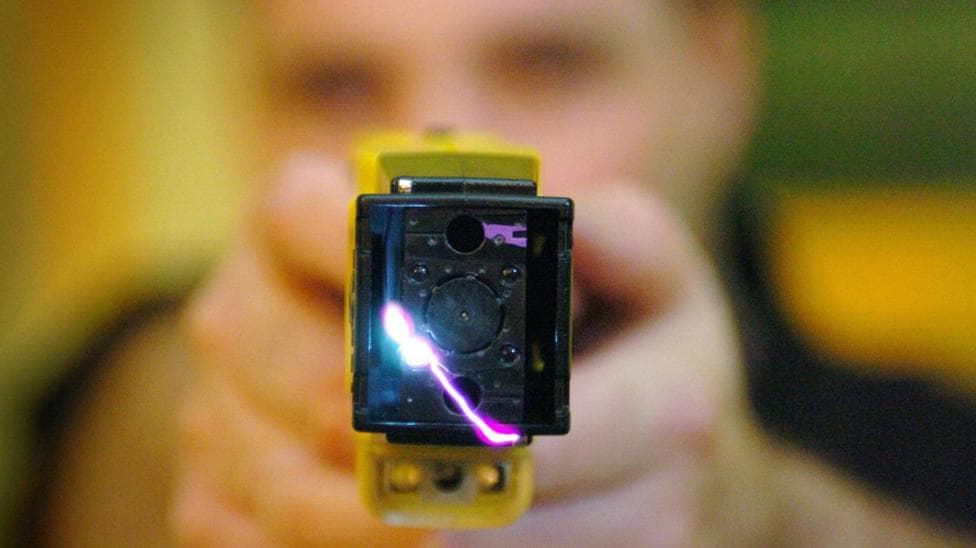
Scotland's Children and Young People's Commissioner has issued a formal call for police to cease deploying Tasers and incapacitating Pava spray against children held in custody, citing a troubling pattern of force use documented over the past two years.
A comprehensive report from Nicola Killean's office revealed that between 2023 and 2024, Tasers were deployed 43 times against children in custody settings. The data showed that 16 of these incidents targeted children experiencing mental health crises, 12 involved care-experienced children, and 10 were used against children with learning disabilities or autism.
Beyond Taser use, the report uncovered a broader pattern of physical restraint. Strip searches of children in police custody occurred 262 times during the review period. Spit hoods and bite guards were applied to children on 148 occasions, with 32 of those instances occurring within custody facilities. Physical restraint techniques without weapons—termed "empty hand" methods—were employed 1,313 times, comprising 641 restraint applications, 97 strikes, and 539 takedown manoeuvres.
Significant data collection gaps hampered the analysis. Recording systems failed to document whether a child had a disability except in cases involving Taser use, and most records lacked precise information about a child's age, preventing comprehensive analysis of whether particular groups faced disproportionate force.
What does the commissioner want to change?
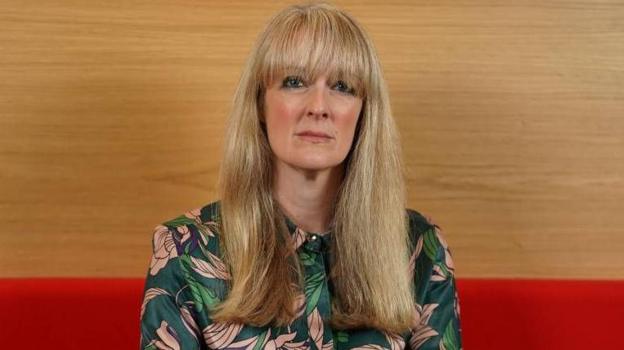
Killean, who assumed the commissioner role three years ago, emphasised that children must be regarded primarily as children rather than as subjects of police enforcement. She articulated her vision for a rights-based approach to any necessary police intervention.
"The police play an important role in maintaining public order and keeping people safe. Although there are some occasions when police will have to use force against a child, to keep the child or others safe, this must always be done using a rights-based approach. Every statistic is a real child who may have had a traumatic experience of being struck, or strip searched, or even tasered."
The commissioner formulated 21 recommendations addressing systemic deficiencies. These include mandatory recording of each child's age, ethnicity, sex, and disability status in a unified accessible database. She also proposed establishing an independent working group to assist Police Scotland in revising operational guidance and training protocols against applicable human rights standards.

"We must record details of the incident, and of the child – for example, their age, their ethnicity, their sex, and if they are disabled. Without recording and monitoring more thoroughly, Police Scotland can't identify and address if some groups of children are being impacted more than others."
What is Police Scotland's response?
Police Scotland stated that force deployment follows proportionate, lawful, and necessity-based principles. Assistant Chief Constable Catriona Paton acknowledged that human rights principles underpin all force operations and committed to careful review of the commissioner's recommendations.
"Our officers are required to respond to emergencies and crises and keeping people safe is an absolute priority. When the use of force is required, it is used proportionately, legally and only when necessary. Its use will be based on an assessment of the risk presented and other factors, including whether children are involved. The priority will be to ensure the safety of the individual as well as that of the wider public."
On transparency, Paton noted that Police Scotland publishes force use data quarterly and operates under external scrutiny and accountability mechanisms. According to Police Scotland's custody procedures, any Taser or Pava spray deployment in custody settings already requires immediate notification, health assessment, and clear incident documentation.
What is the legal and policy context?
In July 2024, Scotland became the first UK jurisdiction to incorporate a United Nations charter on children's rights into domestic law. This legislation mandates that all Scottish public authorities, including policing bodies, actively protect children's rights and incorporate them into policy decisions. The framework additionally grants children and young people standing to pursue legal remedies through courts to enforce their rights.
Research indicates that children face heightened risk during police encounters. According to oversight analysis from late 2024, minors were reported to be twice as likely to experience forceful police contact compared to adults, underscoring the vulnerability of this population. Additionally, the Children (Care and Justice) (Scotland) Act 2024 was scheduled to introduce enhanced safeguards for children in police custody effective 30 March 2026, reflecting ongoing legislative attention to this issue.
The Scottish Government previously confirmed that Police Scotland operates without a specific policy governing Taser deployment against children, though all force use must satisfy requirements of proportionality, legality, accountability, absolute necessity, and ethical standards. Under existing oversight arrangements, Police Scotland must notify the Police Investigations and Review Commissioner each time a Taser is discharged against any person, with that independent body conducting incident review.
How has the Scottish Government responded?
A Scottish Government spokesperson acknowledged the importance of protecting children's rights when they encounter the criminal justice system and ensuring appropriate safeguards are implemented. The statement recognised the demanding nature of police work in challenging circumstances and noted that officers operate under a code of ethics emphasising human rights respect, including protections for children.
Key Facts
- Tasers were used 43 times against children in Police Scotland custody between 2023 and 2024, with 16 incidents involving children with mental health issues
- Strip searches of children occurred 262 times, and spit hoods or bite guards were applied on 148 occasions during the same period
- The commissioner made 21 recommendations including improved data collection on child demographics and an independent review of police guidance and training standards
- Scotland incorporated UN children's rights protections into law in July 2024, making it the first UK jurisdiction to do so
- Enhanced custody safeguards for children were set to take effect under new legislation on 30 March 2026