
Adults with attention deficit hyperactivity disorder in Northern Ireland are calling for urgent government action as they face a healthcare system without a formally commissioned public ADHD pathway, forcing many to spend thousands of pounds annually on private treatment. According to BBC News, some patients describe the situation as inhumane, while healthcare professionals warn that the absence of structured services is creating dangerous gaps in care and diagnosis.
The region stands alone within the UK in lacking a dedicated adult ADHD commissioning framework. Unlike England, Scotland and Wales, which operate various models of ADHD service provision, Northern Ireland's health trusts manage referrals using existing resources, resulting in extended waiting periods and pushing patients toward private providers at considerable personal cost.
Rebecca Bryson, who owns three businesses, revealed the financial burden she and her husband face. Both require ongoing ADHD treatment, including private psychiatric assessments, prescriptions and medication. Their combined annual expenditure reaches approximately £4,000.
It's a tonne of money that most people don't have, and I'm in a position where we do have it because I work multiple jobs.
Bryson expressed frustration at what she views as discriminatory treatment compared to other medical conditions. She highlighted the stark contrast between childhood and adult pathways for diagnosis and support.
If I had another medical condition like cancer or a broken bone, and I asked for medical treatment, they wouldn't turn me away. You can get a diagnosis as a child, but once you turn 18, you're on your own. It's bananas.
She called for a transparent diagnostic route for adults seeking ADHD assessment and treatment in Northern Ireland.
How do other UK regions approach ADHD services?
Service provision varies significantly across the United Kingdom. England offers patients a legal right to choose providers; if local waiting times are excessive, general practitioners can refer patients to alternative NHS-approved services. Scotland operates without a single commissioned service, instead delegating responsibility to local statutory partners to design and deliver neurodevelopmental support tailored to their populations, sometimes through third-sector providers. Wales commissions ADHD services through local health boards and is implementing its Neurodiverse Improvement Programme to expand capacity, streamline assessment pathways and reduce waiting lists. Northern Ireland remains the only region without this formal infrastructure.
What barriers do healthcare professionals face?
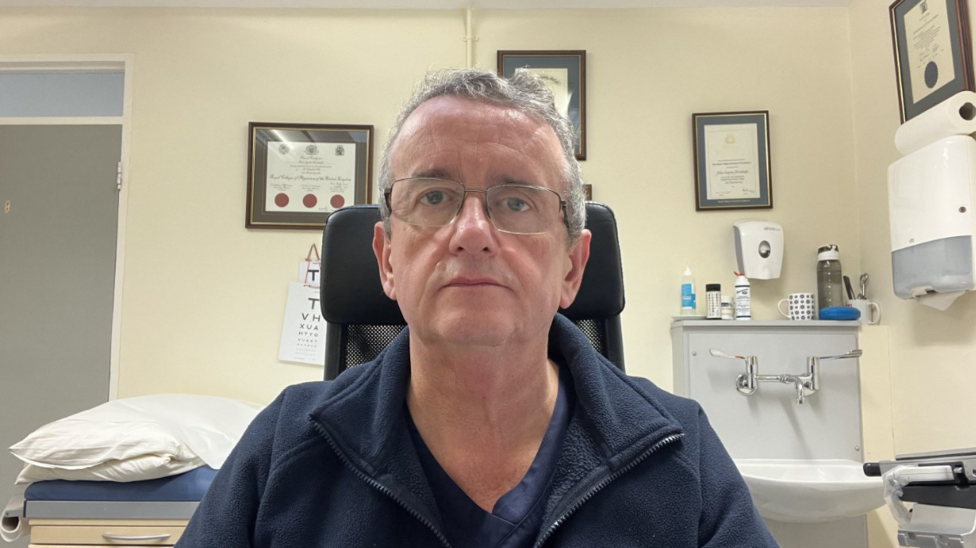
Dr Allen McCullough, a general practitioner with 35 years of experience, described ADHD diagnosis as an
evolving picturethat has created significant challenges for both patients and clinicians. He explained the fundamental problem facing Northern Ireland's medical system.
I can refer to an adult ADHD service within my local area, but that's in the full knowledge that there isn't anybody there to receive it.
McCullough identified a secondary concern affecting shared-care arrangements, where consultants and general practitioners collaborate to manage specialist medications. Some GPs express reluctance to prescribe for patients who have sought private diagnosis, citing lack of information about the qualifications of private assessors and concerns about clinical responsibility.
Some of these patients are attending privately, and we don't get any notification of who they're seeing or the qualification of the person who's doing the diagnosis. So, I'm not saying it isn't a stand over diagnosis, but if we're not getting the information, we're definitely not going to get involved or cannot get involved. When you prescribe it, you're responsible.
What are patients' experiences of accessing diagnosis?
Jordan Young, 28, spent months attempting to access ADHD assessment services in Northern Ireland before eventually seeking diagnosis abroad. His search revealed a system at capacity with no room for new patients.
I tried so many different places. I was basically told that the doors were closed, they weren't taking anyone else on.
Unable to access services locally, Young travelled to England for private diagnosis. He acknowledged that without family financial support, this option would have remained unavailable to him.
If it wasn't for my granny, I wouldn't have gone over and gone private to be honest. She put me through her private health insurance.
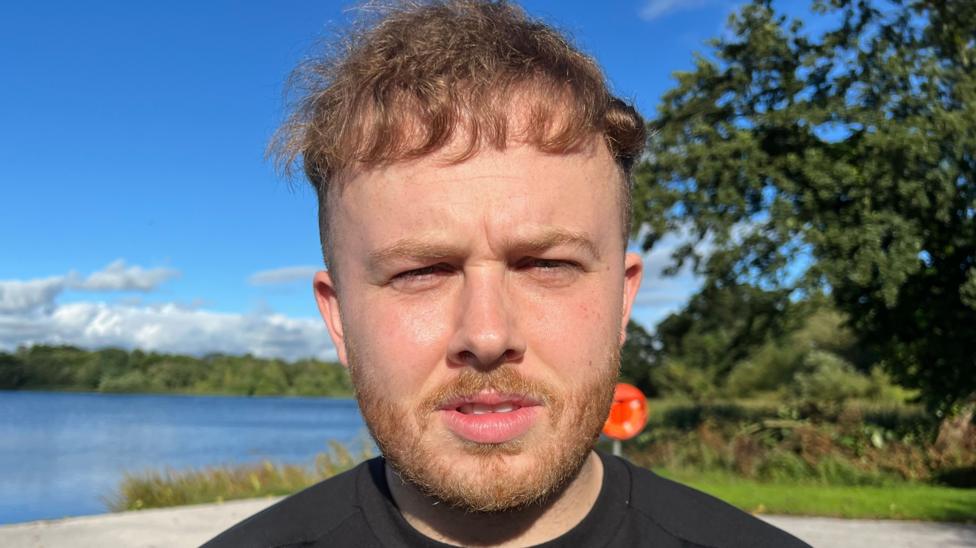
Young called for the health minister to treat ADHD as a serious public health priority and allocate dedicated funding for diagnosis and treatment services.
I want to see where the health minister actually comes to some sort of agreement that he will put a budget [in] for people with ADHD or people that looking to be diagnosed with ADHD and treat it like it is a serious matter.
What are politicians saying?
Alliance MLA Peter McReynolds has made adult ADHD services a sustained focus of his work, meeting with three successive health ministers since 2024 to advocate for a commissioned service. He characterised the current situation as one of systematic neglect.
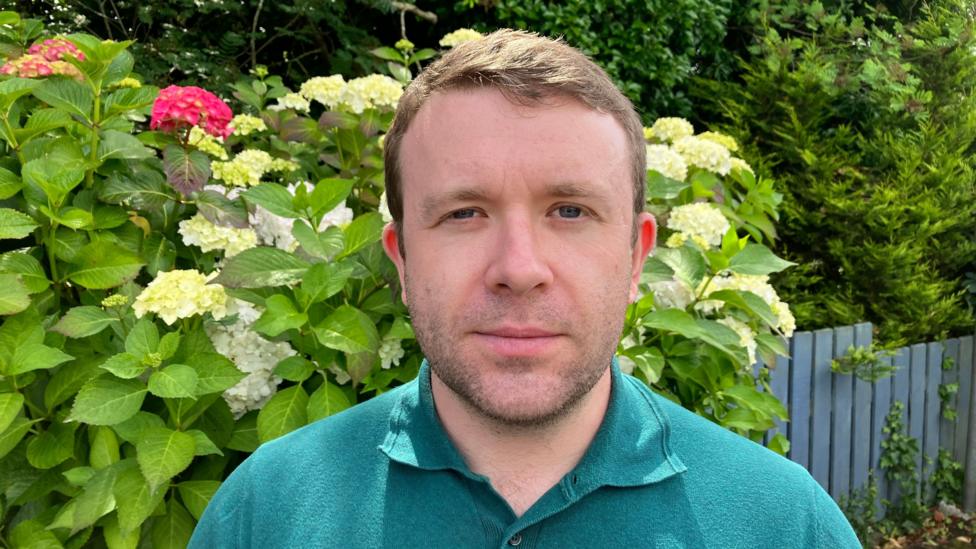
Adults with ADHD had been completely forgotten about by the Department of Health.
McReynolds argued that establishing a formal service would deliver transformative benefits for patients while generating long-term financial savings for the health system.
I think we should be a hell of a lot further [on] in terms of commissioning that service because it would be transformative for the people of Northern Ireland and it would save us money in the longer term as well.
What is the scale of unmet need?
The demand for ADHD assessment in Northern Ireland far exceeds available capacity. Belfast Trust figures recorded 4,970 adults awaiting assessment as of 31 March 2026, with the Trust unable to provide estimates for when newly referred patients would be seen. This backlog reflects a broader crisis affecting the UK; NHS England faces two-year waiting lists for ADHD and autism assessments as demand surges, with nearly 1 million people awaiting evaluation.
The absence of ADHD-specific commissioning in Northern Ireland has created considerable variation in how assessment, care and treatment are provided across and within health trusts, leaving patients with inconsistent access depending on their location.
What has the Department of Health said?
A Department of Health spokesperson acknowledged the growing pressure on services and the consequences of the current system.
Health trusts manage referrals within existing resources and demand continues to exceed available capacity, resulting in long waiting times which has led to people seeking a private diagnosis.
The Department stated that it has undertaken substantial work to quantify the level of need for ADHD services. However, it framed any future commissioning decisions within the context of broader financial constraints affecting the health system.
Any future commissioning decisions must be taken in the context of overall affordability, at a time when we face significant funding constraints across health and social care.
The Department published an ADHD Needs Assessment on 12 February 2026, which includes 19 recommendations currently under consideration to identify next steps, subject to future budget availability. The assessment examined both children and adults, considered the prison population, and analysed potential service implementation and staffing costs. Critically, the Department indicated that no cost-neutral options exist for establishing a commissioned ADHD service; implementation would require either new investment or reallocation of funds from other pressured areas of healthcare.
What happens next?
The Department of Health is reviewing the recommendations from its February 2026 assessment to determine next steps. However, no decision date or commissioning timetable has been announced, leaving patients and advocates uncertain about when formal services might be established. The lack of a clear pathway forward continues to drive adults toward private providers, perpetuating the two-tier system that critics describe as fundamentally unfair.