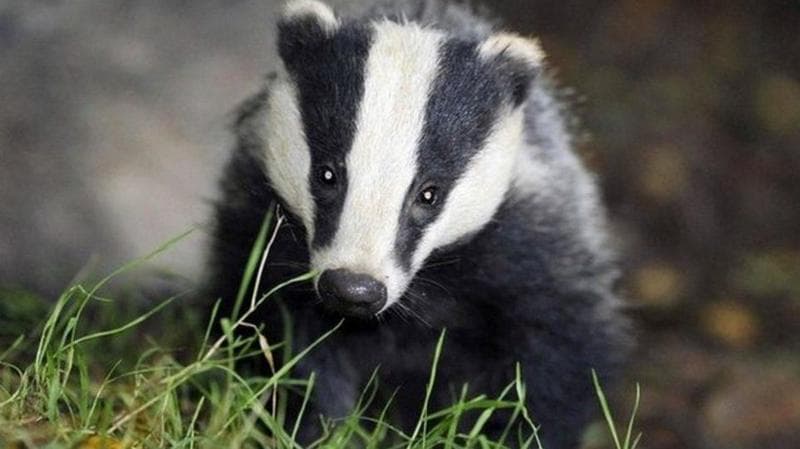
Researchers from the British Ecological Society's Wales policy group, along with academics from Cardiff and Aberystwyth universities, have identified "significant gaps" in knowledge about how effectively vaccinating badgers protects cattle against bovine tuberculosis (TB) in Wales. These knowledge shortfalls, they argue, undermine the potential of vaccination as a disease control method and raise questions about the programme's current design and monitoring.
Badger vaccination forms a key part of Wales's broader strategy to eliminate bovine TB, though the approach remains contentious. The Welsh government has stated it is "renewing" its approach to eradicating the disease, with a focus on cattle, people, and wildlife management. Some stakeholders have called for alternative or complementary methods, including badger culling, since badgers can carry the infection and transmit it to livestock. Cattle are routinely tested for TB and are slaughtered if found to be infected.
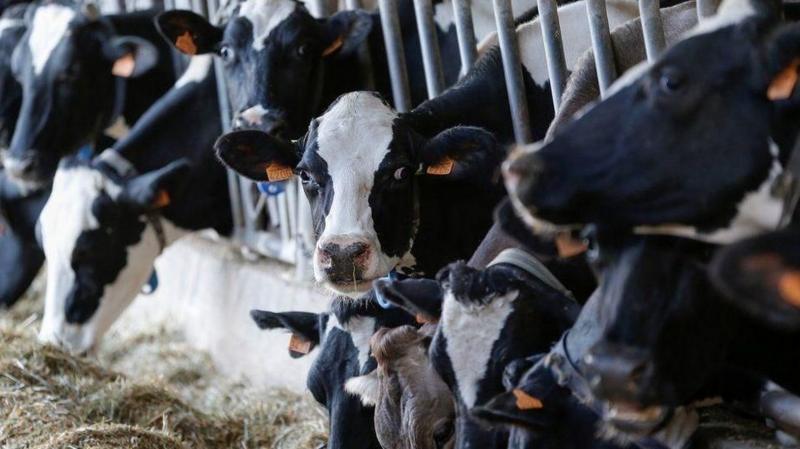
The researchers' concerns emerge in a new policy briefing that calls for enhanced monitoring of vaccination impact, a comprehensive review of existing evidence, and closer engagement with farmers to maximise programme effectiveness. In their assessment, they highlight that "major questions remain about how many badgers are being vaccinated, what impact vaccinating badgers is having on disease levels in cattle, and how confidence in vaccination can be improved among farmers and veterinary professionals".
What does the evidence show so far?
Dr Niall McKeown, a lecturer in life sciences at Aberystwyth University and vice-chair of the British Ecological Society's Wales policy group, emphasised that badger vaccination should not be treated as a complete solution on its own.
"Badger vaccination should not be presented as a stand-alone route to eradicating bovine tuberculosis,"he stated.
"There is strong evidence that BCG vaccination protects badgers, but evidence that operational vaccination programmes reduce disease in cattle remains limited."
McKeown explained that any benefit to cattle herds would likely depend on maintaining sustained and sufficiently widespread vaccination coverage alongside effective cattle-level controls. He stressed that the focus should shift from simply expanding vaccination numbers to implementing
"vaccination that is better targeted, measured and evaluated."
How can monitoring be improved?
The researchers propose combining multiple monitoring techniques to assess vaccination reach and identify coverage gaps.
"By combining non-invasive genetic monitoring with sett surveys, camera traps and movement data, we can estimate local badger numbers, check the proportion of the population reached and identify significant gaps,"McKeown added. These methods would provide clearer data on whether vaccination efforts are reaching sufficient proportions of badger populations to achieve meaningful disease reduction in cattle.


McKeown noted that bovine TB "remains one of the biggest animal health challenges facing Wales". The disease's persistence reflects both the complexity of wildlife-livestock disease transmission and the challenges of implementing large-scale vaccination programmes in wild populations.
What is Wales's current strategy?
A Welsh government spokesperson confirmed the administration's commitment to an evidence-based approach:
"We are renewing our approach to eradicating bovine TB in Wales, focusing on three main elements: cattle, people, and wildlife. This work will be evidence-based and science-led, taking into account advice from the programme board and the technical advisory group, while ensuring that value for money remains a core consideration in decision-making."
In August 2024, the Welsh government established a new board dedicated to eliminating bovine TB. Earlier, in the previous month, Llyr Gruffydd, the minister responsible for agriculture, indicated that policymakers were examining
"a range of solutions"and acknowledged that
"the picture varies from farm to farm"and that a
"wide range of options"were under consideration.
The badger vaccination programme in Wales began as a pilot scheme in two areas—Pembrokeshire, which has experienced very high TB case numbers, and parts of north Wales—with no initial plans for wider rollout. The Welsh government subsequently announced the extension of two projects aimed at eradicating bovine TB beyond their original pilot scope.
How does Wales's approach compare to England?
Wales's commitment to vaccination-based wildlife control reflects a broader UK shift in TB strategy. England has launched a new badger vaccination field force as part of a revised bovine TB eradication strategy, signalling alignment across the UK on prioritising vaccination over culling. England's latest badger vaccination contract was valued at £15,158,014 excluding VAT and runs from March 2026 to March 2030, with possible extension, demonstrating substantial long-term investment in the approach.
Wales introduced its badger vaccination programme in 2012, and a badger vaccination grant scheme was introduced in 2019 to support farmers participating in the initiative. The Welsh badger vaccination grant scheme was reported to support 42 farms at the time of the Senedd briefing. A 2026 Welsh policy document confirms that the Wales bTB Eradication Programme Delivery Plan 2023–2028 maintains the commitment to prohibit badger culling and instead pursues vaccination combined with biosecurity measures.
What happens next?
A Wales-focused study phase assessing BCG vaccination and diagnostic specificity in herds in low-risk areas was expected to complete in 2026. A Welsh government page on vaccinating badgers was last updated on 2025-02-25, indicating the programme is still actively maintained. The researchers' call for enhanced monitoring and evaluation will likely inform how the programme develops as it moves beyond its pilot phase.
Key Facts
- Researchers identify significant gaps in evidence about badger vaccination's effectiveness in reducing bovine TB in Welsh cattle herds
- Strong evidence shows BCG vaccination protects badgers, but evidence that operational programmes reduce cattle disease remains limited
- The Welsh government is pursuing vaccination alongside biosecurity measures while prohibiting badger culling, aligning with England's approach
- Researchers propose combining genetic monitoring, sett surveys, camera traps and movement data to improve vaccination coverage assessment
- A Wales-focused study on BCG vaccination in low-risk herds was expected to complete in 2026