Hari Roberts, a former Wrexham AFC academy player, has spoken publicly about the psychological toll of being released without securing a professional contract, urging clubs and the football industry to strengthen their support systems for young people facing rejection from the sport.
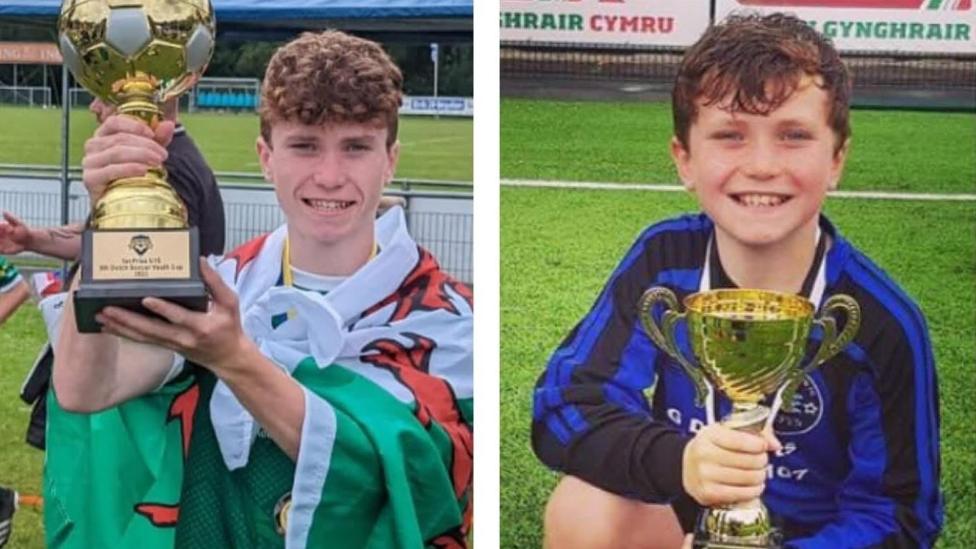
Roberts was released by Wrexham in May 2025 at the age of 18, an outcome he described as a "big shock to the system". Football had dominated his life since childhood—he represented Wales at youth level and joined Wrexham's academy at 14. The rejection triggered a difficult period as he grappled with the loss of his primary ambition and the practical challenges of rebuilding his career path.
How did the release affect his mental health?
The impact was profound. Roberts said the period following his release involved significant emotional struggle, compounded by the practical upheaval of finding alternative employment and exploring other football opportunities. He acknowledged entering "a really bad situation" where he began experiencing negative thoughts. The sudden end to the structured routine that had defined his life since age nine left him searching for direction and purpose.
According to his account to a national broadcaster, Roberts described football as having been "non-stop" throughout his childhood and adolescence, meaning he needed "something else" to anchor his identity after leaving the sport's demanding schedule behind.
What role did running play in his recovery?
Running became instrumental in Roberts' mental health recovery. The activity provided him with the "freedom to go out and not think about anything", offering both physical outlet and psychological respite from his struggles. This shift toward fitness and endurance sport gave him a new focus and sense of achievement outside football's competitive framework.
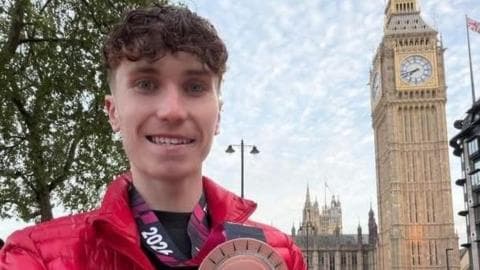
Roberts has since completed two major marathons. He ran the Sydney marathon in Australia, an experience he characterised as "unforgettable", and has applied to run the Tokyo Marathon alongside his brother next year. The London Marathon completion symbolised what he described as "resilience, recovery, and finding myself again", marking a turning point in his journey.
During his Sydney marathon effort, Roberts raised funds for Sport in Mind, a charity dedicated to helping people use sport as a tool for managing mental and physical health challenges. He said running had helped him "so much" and that he had "rebuilt himself through fitness, training his mind and running" with support from his family, GP and psychologist.

What support do released players currently receive?
Wrexham AFC stated that it maintains contact with released players for three years following their departure from the club. The club emphasised its commitment to developing "not just good footballers, but good people too", with a focus on creating an environment where young players learn and develop both on and off the pitch. A dedicated player care officer is assigned to maintain this ongoing relationship.
However, Roberts believes the current level of support falls short of what is needed. He acknowledged that clubs do provide assistance, but argued that
"I don't think it's enough to help them deal with the changes."He stressed that many young players respond to rejection from professional football "in a very bad way", with numerous individuals "struggling" silently without adequate resources.
Why is broader support needed across the industry?
The statistics underscore Roberts' concern: only a small percentage of young footballers secure professional contracts, meaning the vast majority face rejection at some point in their academy careers. This widespread experience of disappointment and career disruption creates a significant mental health challenge that extends beyond individual clubs.
Roberts wants to leverage his own experience to advocate for systemic change. He stated his intention to
"help others who may be struggling silently - by raising awareness about mental health, and showing that no matter how dark life may feel, things can get better with support and hope."
His call for greater support aligns with broader developments in sports mental health. Earlier this month, a nationwide mental health toolkit backed by over 70 organisations including the FA and Premier League was unveiled, designed to embed suicide prevention into sport culture. Such initiatives reflect growing recognition that mental health support in football requires coordinated, industry-wide action rather than isolated club-level efforts.
What happens next for Roberts?
Roberts is currently in what he describes as a "better place", having rebuilt his life through fitness, professional support and family backing. His immediate focus includes the Tokyo Marathon application with his brother, pending approval. The full interview with Roberts will be broadcast on a national radio programme on Monday 21 September, providing him with a platform to share his story more widely and continue raising awareness about mental health challenges facing young footballers.
If you have been affected by the issues raised in this article, support and information is available through mental health services and charities focused on sport and wellbeing.