Powys Teaching Health Board is considering its most significant restructuring of health services in decades, with proposals that could reduce community hospital inpatient beds from 146 to between 60 and 90 across fewer sites. The changes form part of the health board's Better Together programme and would reshape how urgent care, mental health services and diagnostic provision are delivered across the rural county. A formal public consultation is scheduled to begin on 5 October 2026 and continue until 10 January 2027, provided the health board approves the proposals at an upcoming meeting.
The proposals emerged as the health board faces mounting pressures from an ageing population, recruitment difficulties and the challenge of delivering services across a large, dispersed rural area. Powys has one of Wales's oldest populations, with more than a quarter of residents aged over 65. The health board's analysis indicates that implementing these changes would extend average travel times to inpatient care from approximately 12 minutes to 24 minutes, with patients living furthest from remaining hospitals facing journeys exceeding 45 minutes each way.
Strong political opposition has already surfaced, with critics arguing that both proposed options amount to service cuts rather than genuine alternatives. Plaid Cymru has called for the consultation to be paused, contending that communities are not being offered meaningful choice. Welsh Liberal Democrat Senedd member Jane Dodds described the plans as a "shocking betrayal of public trust" and urged Welsh government intervention. According to local reporting, 7,930 petition signatures were handed to the health board ahead of a 16 September board meeting opposing the hospital-bed plans.
What are the two bed reduction options?
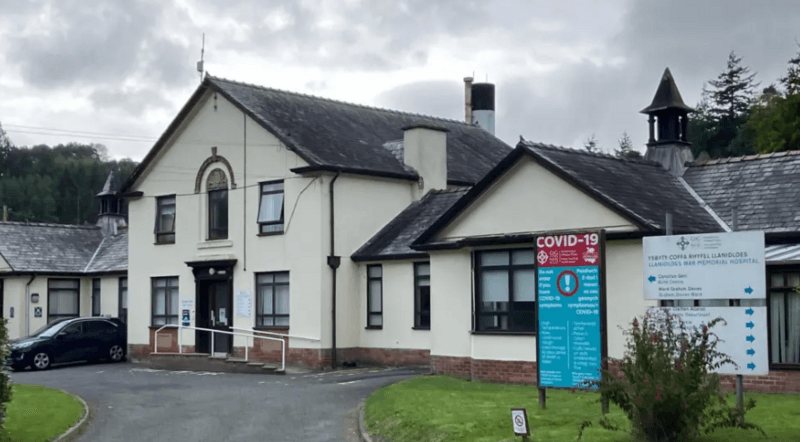
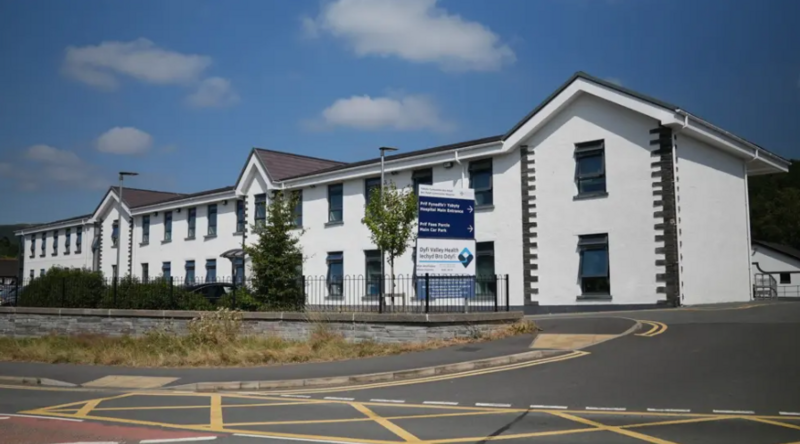
The health board is consulting on two distinct models for restructuring inpatient provision. Under the first option, beds would be retained at three community hospitals: Brecon, Newtown and Llandrindod Wells, reducing total inpatient capacity from 146 to approximately 90 beds across Powys. The second option would concentrate all inpatient beds at just two sites—Brecon and Newtown—cutting provision to around 60 beds. Both scenarios would result in bed closures at Welshpool, Machynlleth, Ystradgynlais and Llanidloes, with Llandrindod Wells also losing beds under the two-site model. Overall, between 56 and 86 community hospital beds could be eliminated depending on which option is chosen.
Current occupancy rates in Powys community hospitals typically range between 85 and 90 percent. The health board's own assessment acknowledges that the existing dispersed configuration of eight community hospitals "provides valued local services, but its dispersed configuration makes it increasingly difficult to meet needs consistently." Any implementation of these changes would occur gradually over several years rather than immediately.
How would urgent care services change?
The health board believes the current urgent care system does not provide consistent or equitable access across Powys and is proposing two alternative models. The first option would establish three urgent care delivery points: Urgent Care Centres in Newtown and Brecon, and a minor injuries unit in Llandrindod Wells, all operating from 8 a.m. to 8 p.m. daily. The minor injury unit in Welshpool would remain open temporarily until the Newtown centre opens, then close. The second option would reduce this to two Urgent Care Centres in Newtown and Brecon only. The health board argues that patients would gain access to a broader range of urgent care services within Powys under either proposal.
Currently, urgent care is delivered through multiple channels including general practitioners, out-of-hours services, pharmacies and health board minor injuries units. Demand for urgent care is rising, prompting the health board to seek a more coordinated approach.

What changes are proposed for mental health services?
A single option is being proposed for mental health restructuring: consolidating all adult and older adult mental health inpatient services at one location, either at Bronllys hospital or a new facility in the Bronllys or Brecon area. This consolidation would be accompanied by expansion of community-based mental health services to support people outside hospital settings.
Why is the health board proposing these changes?
The health board argues that action is necessary to "make services safe and sustainable" as demand for care increases. Powys faces several interconnected challenges: rising demand driven by an ageing population with multiple long-term health conditions, increasing difficulty recruiting and retaining staff with required skills, and the inherent complexity of delivering services across a large, rural county. According to the health board's analysis, approximately 40 percent of its budget is spent on services commissioned from outside Powys—in the last financial year this totalled around £198 million.
The Better Together programme is being developed in three phases, beginning with adult physical and mental health community services, followed by planned care services, then services for children, families and women's health.
What consultation process is planned?
If the health board approves the proposals, the formal public consultation is scheduled to run from 5 October 2026 to 10 January 2027. The health board has committed to holding public drop-in events in all 13 Powys localities, conducting outreach with community groups, facilitating independently-led focus groups, providing accessible materials and commissioning independent analysis of responses.
Dr Carl Cooper, Chairman of Powys Teaching Health Board, stated that the consultation would enable people to "test the evidence, challenge our thinking, and help inform what happens next." He added:
Our responsibility is to consider whether the evidence, options and supporting information are sufficiently developed to progress to this important next step.
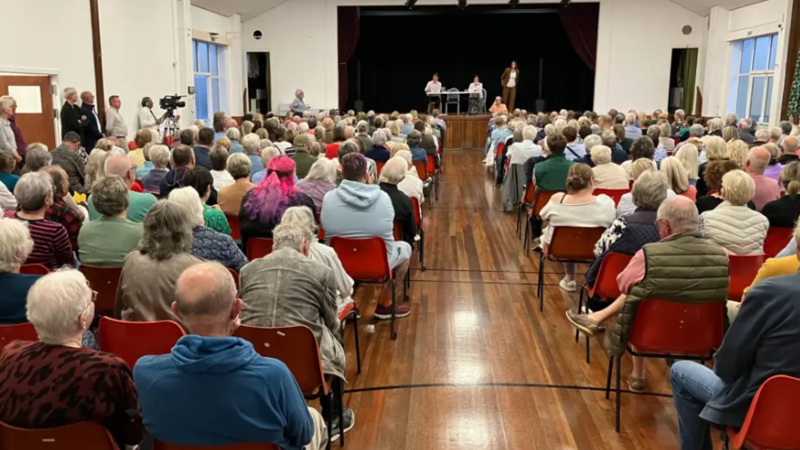
More than 400 people attended a public meeting in Llanidloes in August to voice concerns about the future of community hospital beds in Powys, signalling substantial community interest in the outcome.
What happens after the consultation?
Final decisions following the full public consultation are expected no sooner than spring 2027. The health board has emphasised that no final decisions have been made and that consultation will only proceed if the board formally approves the business case. The board's decision on whether to proceed with the consultation was scheduled for a meeting on 16 September 2026, with the next listed board meeting set for 30 September 2026.
Key facts
- Community hospital beds could be reduced from 146 to either 90 (three-site model) or 60 (two-site model)
- Average travel time to inpatient care would increase from 12 minutes to 24 minutes, with some patients facing journeys over 45 minutes
- Powys has one of Wales's oldest populations, with over 25% aged 65 or older
- Current occupancy rates in community hospitals range from 85 to 90 percent
- Public consultation, if approved, would run for 14 weeks from 5 October 2026 to 10 January 2027