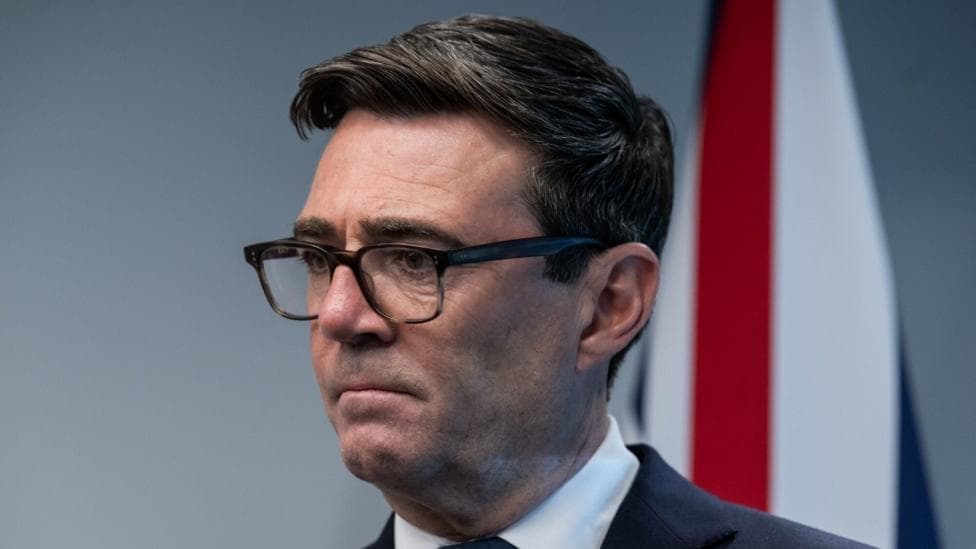
Prime Minister Andy Burnham is under pressure to establish a national waiting-time target for dementia diagnosis and treatment in England, following a proposal backed by leading health figures and senior advisers.
The Alzheimer's Society has called for an 18-week referral-to-diagnosis target, with care plan and treatment initiation as appropriate, modelled on the approach used successfully in cancer care. The proposal has been endorsed by Professor Sir Mike Richards, England's former national cancer director, and Baroness Louise Casey, who is leading a comprehensive review of adult social care reform.
In a joint report, Alzheimer's Society and the King's Trust argued that dementia care requires a
"cancer-style revolution"to modernise services they characterised as
"stuck in the 20th century". The charity's research reveals that nearly one in three people wait over a year for a formal dementia diagnosis, with memory-clinic waits sometimes exceeding two years, according to analysis of current diagnostic pathways.
What is the government's position?
Social Care Minister Alison McGovern expressed strong backing for the proposal at the Alzheimer's Society conference on Thursday. She stated:
"The report that the Alzheimer's Society published today on going on the journey that we've been on with cancer, with Alzheimer's and dementia, I think that's spot on."
McGovern acknowledged that dementia had been
"neglected for far too long"and highlighted how the fragmented system affects patients and families. She said:
"And nowhere is this division between health and social care felt more sharply than by people living with dementia in their families, too often left to navigate a shattered system at the most difficult time in their lives."
The government has committed to appointing a senior official to oversee dementia care nationally and to publish a modern service framework by the end of 2026. McGovern confirmed the government would
"appoint a dementia tsar, backed with real expertise". According to recent government updates on social care reform, recruitment for this role was expected to begin shortly after June 2026.
How does dementia care currently compare to cancer?
England currently has no waiting-time target for dementia diagnosis or treatment. In contrast, the NHS operates strict waiting-time targets for cancer diagnosis and treatment, which were introduced in 2000 when Professor Richards held the role of national cancer director.

Professor Richards has indicated that an 18-week referral-to-treatment target for dementia patients is achievable but would require
"political initiative"and additional funding. He stated:
"All of that is going to cost more money but remember the toll that this condition is taking at the moment, both on the people affected by dementia themselves and their relatives."
Baroness Casey has made the same proposal independently. In a letter to former Health Secretary Wes Streeting in March, she urged the government to examine
"how dementia can be put on a level playing field with other conditions, for example by setting national standards for dementia diagnosis, including an 18‑week referral‑to‑treatment target". Speaking publicly, Baroness Casey said:
"I think the National Health Service and more generally all of us have stuck our heads in the sand about it, and it's time we started saying, yes, we should have a similar mission, and we should do as much as we possibly can on dementia, and now."
What are the scale and projections for dementia?
Approximately one million people are currently living with dementia in the UK, a figure projected to rise to 1.4 million by 2040. The government has set an ambitious target: according to government materials on dementia care improvement, by 2029 at least 92% of patients referred for dementia assessment should receive a diagnosis within 18 weeks of referral.
What is the Prime Minister's personal connection?
Burnham cancelled his engagements earlier this week following the death of his father, Roy, who had Alzheimer's disease. Upon returning from compassionate leave, he said his father would have wanted him
"back out there"to advance
"the changes that he always pushed me to make". In July, Burnham had spoken about his father's condition and how it had shaped his commitment to reforming adult social care in England.
Burnham has indicated he will await Baroness Casey's full recommendations on social care reform before deciding what changes to implement and how they should be funded.
What happens next?
An interim product on the dementia and frailty service framework is expected in September 2026 to inform NHS and local government planning cycles, with the full framework due by the end of 2026. Recruitment for the dementia tsar position was expected to commence shortly after the June 2026 social care reform update. Baroness Casey is scheduled to publish her comprehensive recommendations on social care reform next summer.
Key Facts:
- Nearly one in three people wait over a year for a formal dementia diagnosis in England
- The government aims for 92% of dementia patients to receive diagnosis within 18 weeks by 2029
- An interim dementia and frailty service framework is due in September 2026, with the full framework by end of 2026
- About one million people currently live with dementia in the UK, expected to reach 1.4 million by 2040
- A full-time dementia tsar will be appointed to oversee national dementia care standards