
A genetically modified pig kidney has functioned inside a patient for 271 days—the longest duration on record for such a transplant, according to surgeons at Mass General Brigham hospital in the United States. The organ was eventually removed in October 2025 after its function declined, but the milestone demonstrates that animal organs can serve as a temporary solution while patients await human donor organs.
Tim Andrews, who received the transplant on January 25, 2025, described the procedure as offering him
"hope"and relief from the burden of regular dialysis treatments. The 66-year-old patient with end-stage kidney disease caused by type 2 diabetes had been told he could wait up to seven years for a human kidney transplant—longer than the average five-year survival span for dialysis patients.
"I had a little bit of a shortage of time… it becomes very depressing,"he said, but the xenotransplant represented
"the light at the end of the tunnel."
Andrews was the second person to undergo a pig kidney transplant at Mass General Brigham and one of only a handful of living recipients in the United States, highlighting how experimental the field remains. The transplanted organ worked immediately after surgery and continued to filter his blood throughout its time in his body.

Why use pig organs for transplants?
Xenotransplantation—the use of organs from other species—has become an urgent focus for medical researchers because of severe shortages in available human organs. In the United States, approximately 100,000 people are waiting for a kidney transplant while only 25,000 transplants occur annually. In the UK, more than 7,000 people remain on the kidney transplant waiting list. Pigs are considered ideal candidates for organ donation because their organs are roughly the correct size for humans and decades of farming experience exist with the species.
However, transplanting a pig organ into a human body presents a fundamental immunological challenge. Without modification, the human immune system would immediately recognize the pig organ as foreign and mount a devastating attack that would destroy the kidney within minutes. The organ would turn black as the immune system punches holes through every cell, causing internal clotting and organ failure.

How are pig organs made suitable for humans?
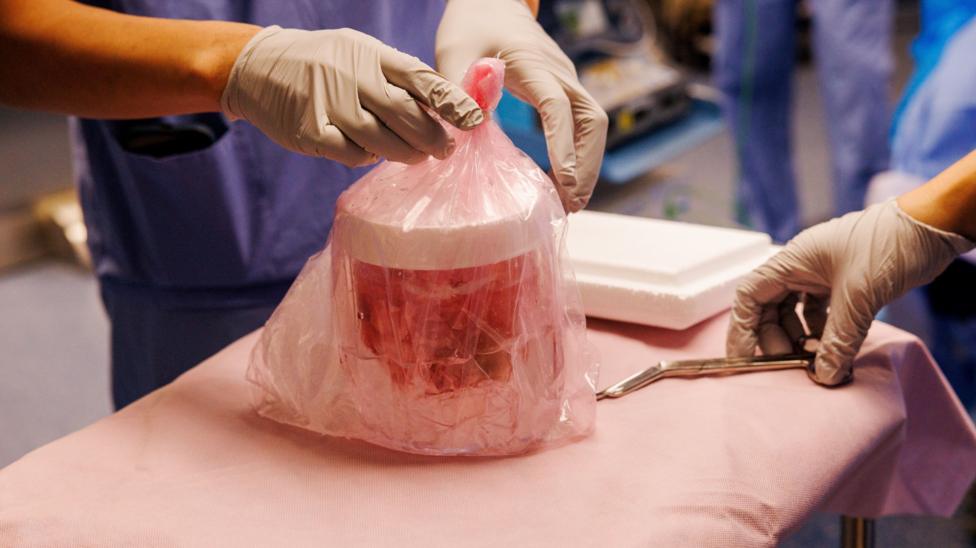
To overcome immune rejection, researchers have developed Yucatan miniature pigs that have undergone 69 genomic modifications to make their organs compatible with the human body. These genetic changes work in three ways: some modifications remove features of pig cells that the human immune system recognizes and attacks; others introduce human DNA that acts as camouflage to hide pig tissue from immune surveillance; and still others disable viruses hidden within pig DNA that could potentially cause infection in human recipients.

Surgeons attached Andrews' pig kidney to the blood vessels in his body, allowing the organ to filter his blood just as a natural kidney would. The transplanted organ functioned successfully for the first six months, though early signs of immune rejection appeared and were managed by adjusting his immunosuppressive medications.
What caused the organ to fail?
After approximately six months, the blood vessels within the transplanted kidney began to deteriorate, leading to inflammation and eventual organ failure. The pig kidney was removed on October 23, 2025, because its function was decreasing. Notably, doctors found no evidence of antibodies attacking the organ, leaving the exact cause of the failure unclear. In their analysis published in the Lancet medical journal, the surgical team stated:
"This case illustrates both the promise and the remaining challenges of clinical kidney xenotransplantation."
Following the removal of the pig kidney, Andrews required dialysis for 82 days until he received a donor human kidney in January 2026 and was discharged to recover at home. That human organ has been functioning well.

What does this mean for transplant medicine?
Dr Leonardo Riella, from the Centre for Transplantation Sciences at Mass General Brigham, emphasized the critical need for alternative solutions.
"We are in a crisis,"he said regarding the shortage of organs available for transplant.
"We are working really hard to bring hope and we truly feel that xenotransplantation can be an alternative for patients who don't have a living donor where we could potentially bypass dialysis and get them to a transplant."
The success of Andrews' case, despite its eventual failure, has encouraged further research into pig-to-human transplantation. The FDA authorized Mass General Brigham to conduct two additional pig-kidney transplants as part of its pilot study, and United Therapeutics also received FDA approval for a separate clinical xenotransplant trial designed to enroll six patients initially, with potential expansion if outcomes remain stable for six months.
Key facts
- Tim Andrews' transplanted pig kidney functioned for 271 days, the longest on record for such a procedure
- The donor pig underwent 69 genetic modifications to make its organ compatible with the human immune system
- Andrews avoided months of dialysis treatment during the 271-day period the pig kidney was functioning
- After organ removal, Andrews received a human kidney transplant in January 2026, which continues to function well
- Additional pig-kidney transplant trials are planned at multiple institutions with FDA authorization