New York City Mayor Zohran Mamdani unveiled a collection of 170,000 documents that expose official awareness of serious air-quality hazards in Manhattan following the 9/11 attacks, contradicting public assurances at the time that the atmosphere was safe to breathe. The release, which concludes two legal disputes brought by 9/11 Health Watch, marks a significant moment of transparency 25 years after the Twin Towers collapsed.
Testing near Ground Zero uncovered asbestos in widespread locations, according to the mayor's statement.
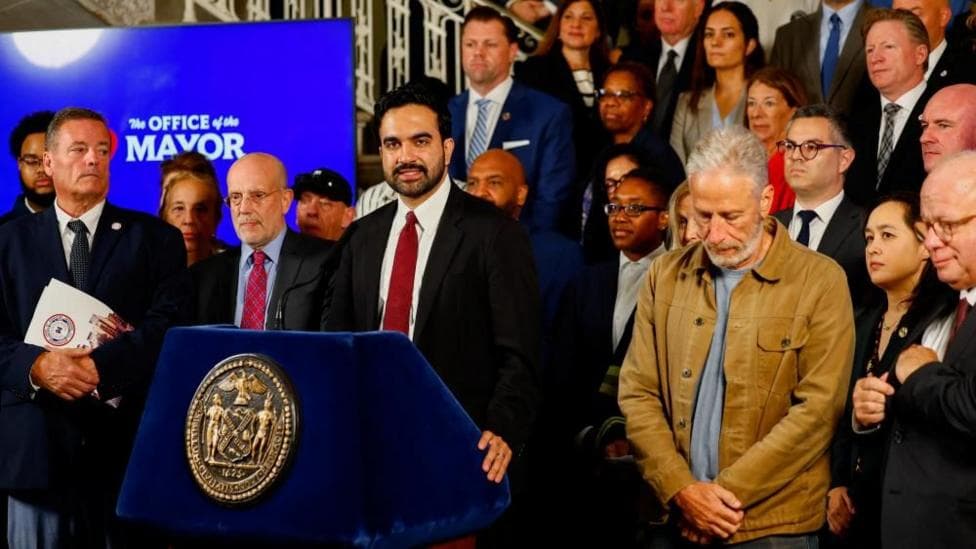
People got sick because the leaders they trusted lied and told them they were safe to breathe in toxic air,Mamdani declared at a press event attended by survivors and television host Jon Stewart, himself a long-time advocate for 9/11 victims.
Health complications stemming from the dust and smoke released during the collapse have killed more people than the terrorist attacks themselves, according to US health authorities. Thousands of individuals have developed serious illnesses including cancer after inhaling hazardous materials from the building wreckage, with many having died from their conditions.
What do the documents reveal?
The records demonstrate what city leadership understood about toxic conditions surrounding Ground Zero, the timing of that knowledge, and the steps taken to shield the city from legal responsibility. The initial batch of materials includes the so-called "Harding Memo," an October 2001 communication in which an aide cautioned then-Deputy Mayor Robert Harding—serving under Mayor Rudy Giuliani—that the municipality could face approximately 35,000 legal claims stemming from its response to the attacks.
That memo specifically warned that the city might be sued because health guidance had encouraged residents
to return to the area too soon (causing toxic exposure or emotional harm).The documents also encompass records concerning World Trade Center 7, another structure damaged in the attacks.
Shortly after the attacks, city and federal authorities—including the US Environmental Protection Agency—announced that air quality near the Twin Towers posed no danger, despite scientific evidence suggesting residents were exposed to harmful chemicals. Christine Todd Whitman, who headed the EPA during that period, later expressed regret for the declaration, stating the agency
did the very best we could at the time with the knowledge we had.

How did the city obtain these records?
Officials discovered 68 boxes of documents in 2025, though they had previously claimed such materials did not exist. The discovery came after years of legal pressure from advocacy groups seeking access to the files. In March 2026, the New York City Council secured a commitment from the Law Department to establish a public portal for post-9/11 air-quality and health-risk documents, setting the stage for the current release.
What is the city's commitment going forward?
The municipal government will invest more than $34 million in the effort to process and release the records. The city has launched an online portal at nyc.gov/sept11docs containing the initial batch of materials, with plans to expand the collection over the next 12 months as additional records are reviewed and personally identifiable information is redacted. City officials have indicated that substantially more documents will become available in the coming year.
What have survivors said about the air quality?
Elizabeth Cascio, a former New York Fire Department emergency medical technician who responded to the attacks, previously described the conditions she encountered.
We all knew the air quality was not safe – it was very toxic in terms of how it felt,she recalled.
Initially, when I came off the bus and arrived at the Trade Center, you felt like you had to hold your breath. But there's only so long you can hold your breath. I could feel the particles coming into my nose and mouth and thought: 'This can't be good'.
Stewart, speaking at the announcement, highlighted the timeline of concealment.
So to be fair to them, they only buried that information for 25 years,he said sarcastically, noting that city officials did not acknowledge the toxic nature of downtown Manhattan's air until October 2001.
What happens next?
The portal will continue to be updated regularly throughout the coming year as the city completes its review of remaining records and applies necessary redactions to protect sensitive personal information. The release represents the culmination of a prolonged campaign by survivors and advocacy organisations demanding accountability and transparency from municipal authorities regarding what officials knew about air-quality dangers in the immediate aftermath of the attacks.
Key Facts:
- The city released 170,000 pages of documents revealing officials knew asbestos was widespread near Ground Zero shortly after the attacks
- The October 2001 "Harding Memo" warned city leadership could face up to 35,000 legal claims related to its response
- Federal and city authorities declared the air safe days after the attacks, despite evidence of toxic chemical exposure
- The city is investing $34 million in processing and releasing the records, with more documents expected over the next 12 months
- Health complications from 9/11 dust and smoke have killed more people than the terrorist attacks themselves