Assembly members will debate a bill aimed at criminalising sexuality and gender conversion practices for the first time on 10 September 2026, with a vote expected around 13:00. The legislation, introduced to the Northern Ireland Assembly on 30 June 2026, contains provisions that could impose a two-year jail sentence on those who conduct such practices.
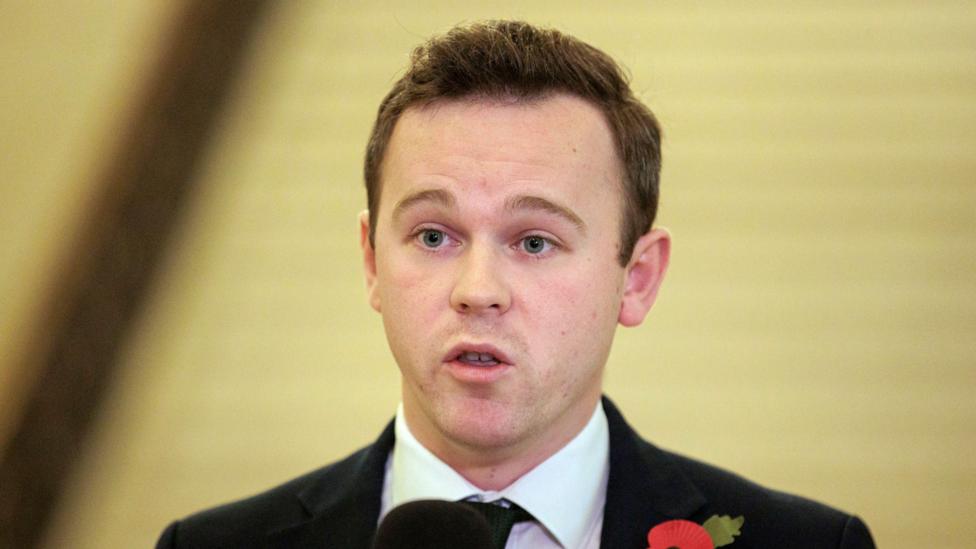
Alliance Party MLA Eóin Tennyson brought forward the private member's bill, but it has faced criticism from the Democratic Unionist Party (DUP), which contends the measure "presents a real threat to freedom". Unionist parties are expected to oppose the legislation, though it is believed to have backing from Sinn Féin and the Social Democratic and Labour Party (SDLP).
Supporters of the bill argue it protects LGBT people from harmful attempts to change or suppress their sexual orientation or gender identity. Opponents contend it represents legislative overreach that could limit freedom of choice and risks criminalising important conversations around sexual orientation and gender.
What would the bill do?
The proposed legislation would create three specific criminal offences: providing conversion therapy, engaging in coercive conversion behaviour aimed at changing someone's sexual orientation or gender identity, and removing a person from Northern Ireland for the purposes of subjecting them to conversion practices. According to the bill's formal text, the criminal threshold would be linked to psychological harm, defined as fear, alarm or distress.
The definition of coercive behaviour is drawn from the Domestic Abuse and Civil Proceedings Act (Northern Ireland) 2021 and includes violent or threatening behaviour, humiliating the victim, or controlling their day-to-day activities. The legislation would be formally cited as the Conversion Practices (Criminalisation) Act (Northern Ireland) 2026.
What are conversion practices?
Conversion practices—sometimes referred to as "reparative therapy" or "gay cure therapy"—attempt to change someone's sexual orientation or gender identity. In practice, this means trying to stop or suppress someone from being gay or from identifying as a different gender to their sex recorded at birth. Methods often include talking therapies and prayer, though more extreme forms can exist.
The British Psychological Society and other professional bodies, including NHS England and the Royal College of Psychiatrists, have stated that all types of conversion practices are "unethical and potentially harmful".

What do supporters say?
Tennyson has described the bill as "balanced legislation".
No one should face coercion, abuse or harm because of who they are or who they love. This is balanced legislation which protects LGBT+ people from harm whilst also upholding freedom of speech and freedom of religion,he said.
For too long, Northern Ireland has lagged behind on equality. This legislation represents a historic opportunity, not only to prohibit these outdated practices, but also to lead change across these islands and send a clear message that LGBT+ people are entitled to the same dignity, respect and rights as everyone else.
What are the main objections?
DUP leader Gavin Robinson has argued the legislation is vague and that Northern Ireland already possesses laws to address abuse and coercive behaviour.
We can protect people from mistreatment without creating vague new offences that reach into homes, churches and private conversations,he stated.
The Ulster Unionist Party (UUP), which previously supported a non-binding motion to ban conversion practices in 2021, has reversed its position under new leader Jon Burrows. The party now says it will vote against the bill, describing it as "excessively broad, legally uncertain and potentially damaging". The TUV is also expected to oppose the legislation.
How did this issue reach the Assembly floor?
Stormont politicians have previously debated conversion practices. In 2021, MLAs passed a UUP motion calling for a ban in all forms, though it was not binding. When Sinn Féin held the communities brief in the executive, several of its ministers advocated for banning the practice. Deirdre Hargey, then communities minister, said her officials were drafting a bill, but a subsequent collapse of power-sharing prevented further progress.
The DUP's Gordon Lyons became communities minister in 2024 when devolution was restored and is expected to respond to Tennyson during the debate. Unionist parties cannot use a petition of concern veto mechanism at this stage, though they could seek to deploy it in future if the bill passes its second stage.
What happens after Tuesday's debate?
If the bill passes Second Stage consideration, it will move to scrutiny by the Committee for Communities. A public call for evidence on the proposals is running until 1 October 2026. The Assembly's summer recess and the 2027 election timetable have added pressure to the bill's scrutiny window.
In England, the government has published its own plans to legislate to ban conversion practices, with proposals that could carry jail time and fines for those found to have carried out "abusive acts" aimed at changing someone's sexual orientation or transgender identity. According to campaign reporting, the Northern Ireland debate represents a significant moment in the push to criminalise such practices across the UK and Ireland.
Key facts
- The bill proposes a two-year maximum jail sentence for conducting conversion practices
- Three specific offences would be created: providing conversion therapy, coercive conversion behaviour, and removing someone from Northern Ireland for conversion practices
- The legislation has support from Sinn Féin and the SDLP but faces opposition from the DUP, UUP and TUV
- A public evidence consultation runs until 1 October 2026
- Similar legislation is being pursued in England