

An investigation has found that as many as 30 children, the majority of them British, may have been conceived through IVF treatment in northern Cyprus using sperm or egg donors different from those their parents selected. In every case identified, the families say the donor they were told had been used does not match the one they had chosen based on detailed profiles covering medical history, appearance, personality, education and hobbies. Half of these 30 cases trace back to a single clinic, Dogus IVF Centre, where three staff members repeatedly appear in patient accounts.
"It's absolutely scandalous," said one of the mothers, Rachel, who recently learned that she received the wrong sperm donor from the clinic.
What are the families alleging?
Parents who travelled to northern Cyprus for fertility treatment say they were reassured their chosen anonymous donors would be used, only to grow suspicious once their children were born or as they aged. Three individuals connected to Dogus IVF Centre — Dr Firdevs Uguz Tip, Dr Sevket Alpturk, and patient co-ordinator Julie Hodson — cared for many of the families now raising concerns. Firdevs has denied any wrongdoing, while neither Alpturk nor Hodson has responded to questions put to them.
Eleven of the 30 children have since undergone commercial DNA testing, with results showing ancestry linked to Turkey or neighbouring countries rather than the Western European backgrounds their parents had selected. Most of these children were conceived at Dogus between 2012 and 2024. Laura Bridgens, founder of the charity Donor Conceived UK, said the pattern raised serious concerns about honesty and transparency in the clinic's practices.
"These reports are deeply troubling," said Laura Bridgens, founder of the charity Donor Conceived UK. "It's a fundamental human right for a donor-conceived person to know the truth about their origins."
How did Rachel uncover the discrepancy?
Rachel says she spent more than a decade wondering whether the sperm donor used in her 2012 treatment at Dogus was genuinely the one she had picked. She and her 13-year-old son Jonah decided to take DNA tests after reading an earlier report on the allegations, and the results appeared to confirm her long-held suspicion.
"I used to think the clinic had made a one-off mistake," she said. But now, after learning that more families had come forward, she said "it feels like this is something much bigger and more deceitful".
Rachel chose Dogus after being contacted by Julie Hodson, a patient co-ordinator she described as approachable, who liaised between her and Dr Firdevs Uguz Tip, the physician overseeing her treatment. At 39, Rachel needed donor sperm to fertilise her eggs before the resulting embryo was implanted. The package, costing around €4,000 (about £3,200 at the time), was marketed as including sperm sourced from Cryos International, the Danish sperm bank regarded as the world's largest.
She selected a Danish donor known by the pseudonym Ditto on the Cryos platform, who had agreed that any biological children could learn his identity once they turned 18.
"I wanted any child of mine to have the choice of being able to contact the donor," said Rachel. "For a child trying to figure out who they are in the world, it could be really important."
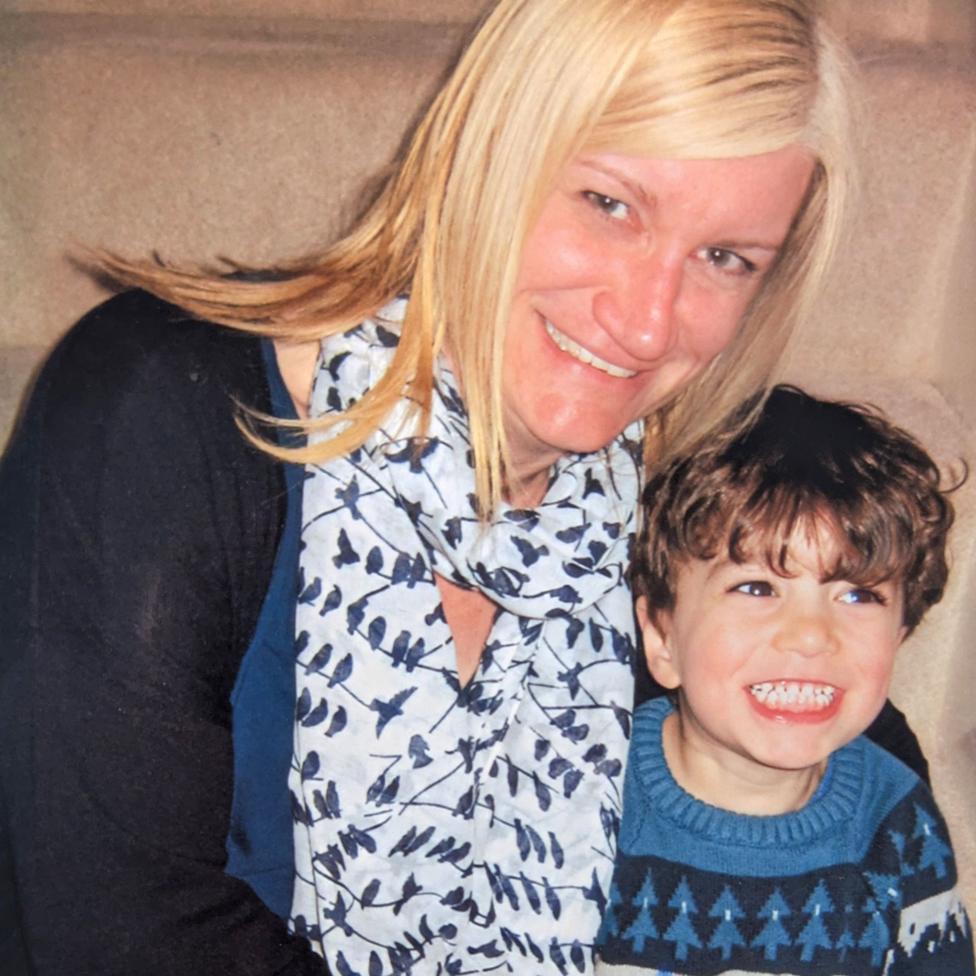
Rachel became pregnant following her treatment in northern Cyprus, but her doubts grew when staff, including Hodson, repeatedly failed to provide a medical report confirming Ditto's sperm had actually been used. Jonah's appearance as he grew also differed markedly from both Rachel and the physical description given in Ditto's donor profile. When Cryos International was approached about the DNA findings, the sperm bank said it had no record of ever supplying sperm to Dogus, despite the clinic having promoted its partnership with Cryos for years as a selling point.
Rachel says the revelation has not changed how she feels about Jonah, but she is troubled that he may have permanently lost the chance to contact his biological donor, and she cannot rule out the possibility that unknown genetic siblings exist.
"I wouldn't be surprised if there are genetic siblings out there," she adds.

Negligence or deliberate deception?
Fertility specialists consulted about the scale of the findings said they were startled that as many as 30 children could be affected, noting that an accidental donor mix-up during IVF is exceptionally rare. Repeated errors of this kind, they said, point toward either negligence or intentional deception rather than isolated mistakes. The British Fertility Society described the pattern as pointing to something larger than a single clinician or clinic.
a "systemic problem which transcends one rogue doctor and one rogue clinic", according to the British Fertility Society.
Of the 15 cases connected to Dogus, three staff members were consistently involved. Dr Sevket Alpturk, listed as the clinic's owner and "responsible manager" under regulations in the territory, is required to sign off on all procedures. He treated the parents of six of the children whose families suspect a donor error. Alpturk has not responded to questions about the allegations.
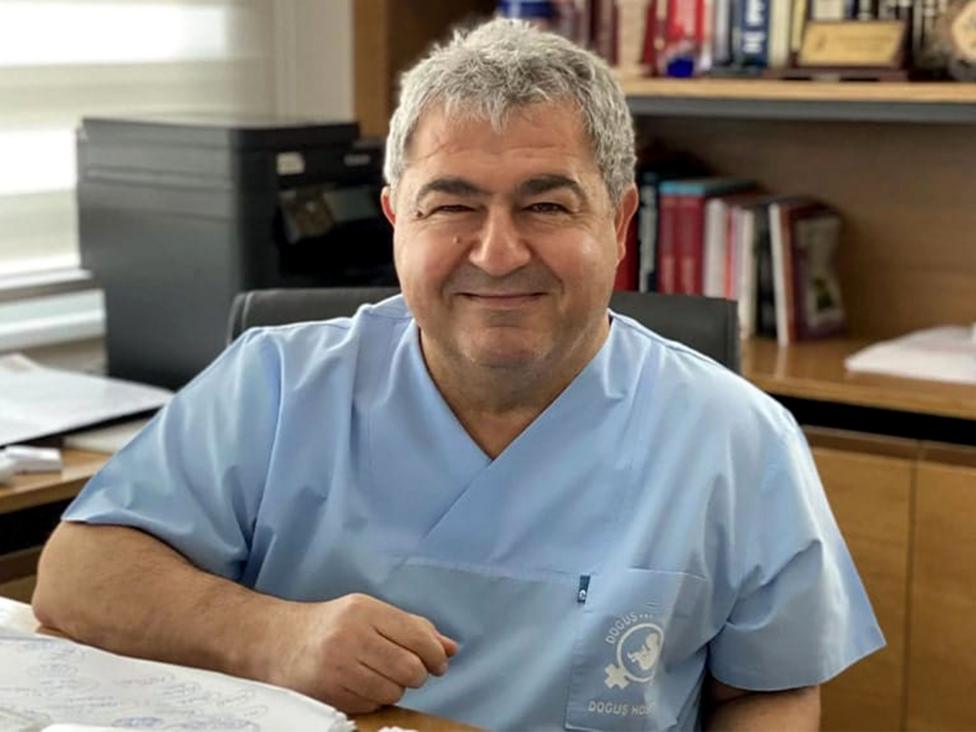
The remaining nine Dogus-linked cases were treated by Firdevs, who maintains that Alpturk bore responsibility for authorising procedures and denies ever misleading any patient. Firdevs was also the treating doctor in nine further cases with similar characteristics after leaving Dogus in 2015, most of which occurred at Miracle IVF, the clinic she now runs. She insists Miracle IVF has always operated within the law and that patients sign consent forms explaining donor selection, though many parents dispute ever being properly informed.
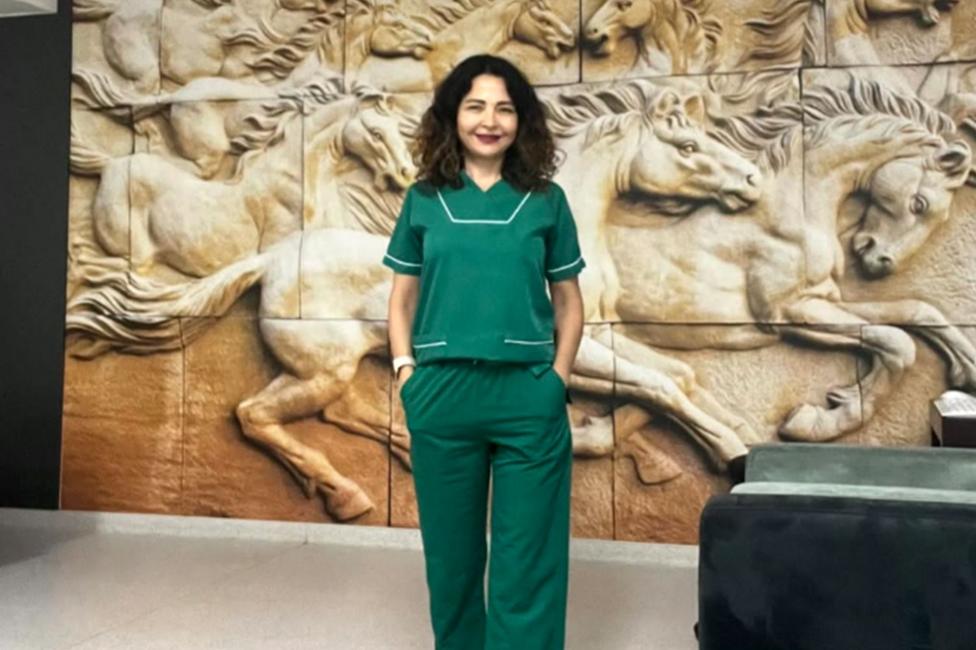
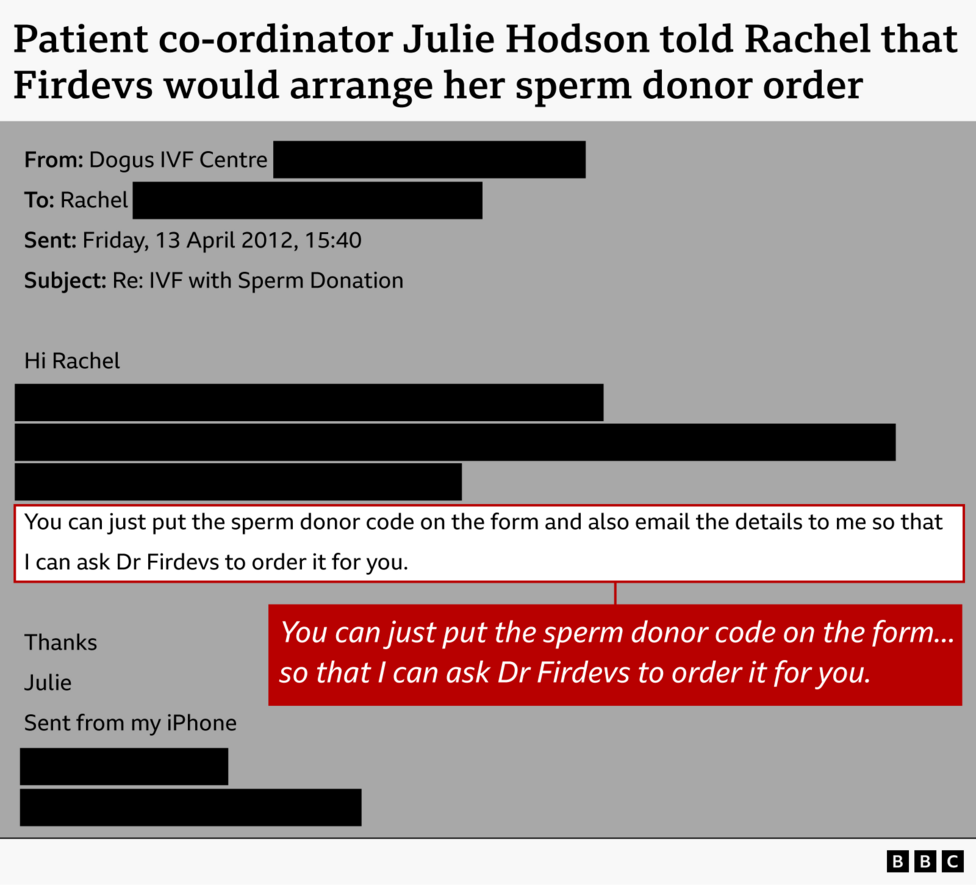
Julie Hodson served as the main point of contact for most British patients at Dogus and repeatedly told them in emails that Firdevs would place their sperm orders with Cryos. Firdevs, however, says procuring sperm was never part of her role and that she was unaware patients had been told otherwise. Hodson has not responded to questions about whether she failed to submit these orders or pass on patient requests, and both she and Firdevs have been accused separately of brushing aside or ignoring patients who raised concerns about their donors.
Cryos International's chief executive, Ole Schou, said he was taken aback by the scale of families potentially affected.
Ole Schou said he is "shocked to hear how many families may be affected".
Cryos confirmed it blacklisted Dogus in 2016 after concerns the clinic had told a patient sperm had been ordered when it had not, and the sperm bank has now also suspended its relationship with Firdevs and Miracle IVF pending the outcome of the territorial government's investigation. Firdevs maintains she has already been cleared of any legal breach, though this has not been independently confirmed by the Ministry of Health.
What has earlier reporting established?
The allegations first surfaced in March 2026, when an initial investigation identified seven British families, most connected to Dogus IVF Centre, who believed they had been given incorrect sperm or egg donors, according to an earlier report. That same reporting later revealed that in one family, two children were found not to be genetically linked to the sperm donor their parents believed had been selected, and the siblings themselves were not biologically related to one another. DNA testing in that case was carried out to a standard suitable for use in British courts, and a forensic genetics expert who reviewed the results said it was highly improbable either child was linked to the intended donor.
Separate reporting has identified Firdevs as the physician who went on to establish Miracle IVF Centre in 2019, according to a report from Firstpost. Northern Cyprus, a territory outside European Union jurisdiction and recognised only by Turkey, has become a popular and low-cost destination for British fertility patients, though its clinics operate under comparatively light regulatory oversight.
What happens next?
The northern Cyprus administration has confirmed it opened a formal inquiry into the donor allegations and has pledged to release its findings once the process concludes, according to a follow-up report. Health Minister Hakan Dinçyürek said an inspection of the relevant IVF centre has already taken place and that individual cases will be assessed according to the laws in force at the time they occurred, since the cases date back as far as 2016, according to the Cyprus Mail. The territory's health ministry has said IVF centres fall within its regulatory remit and that findings from the investigation will be made public once complete, though no timeline for conclusion has yet been announced.
For Rachel, the uncertainty over her son's true genetic origins remains difficult to reconcile, even as she stresses it has not diminished her bond with him.
"Luckily Jonah was fascinated to find out about his heritage," said Rachel. "Even so, what happened is not OK. It's a huge deal and could have been absolutely traumatising for him."
Key Facts
- Up to 30 children, mostly British, are feared to have been conceived using incorrect sperm or egg donors at clinics in northern Cyprus.
- Fifteen of the cases are linked to Dogus IVF Centre, with 11 children having taken DNA tests showing Turkish or regional ancestry rather than the Western European heritage families expected.
- Cryos International, the world's largest sperm bank, blacklisted Dogus in 2016 and has now also suspended dealings with Dr Firdevs Uguz Tip and Miracle IVF.
- The northern Cyprus Ministry of Health has opened a formal inquiry and inspected the clinic, with Health Minister Hakan Dinçyürek saying cases will be judged under laws applicable at the time.
- No completion date has been set for the investigation, though officials have promised to publish its findings once finished.


