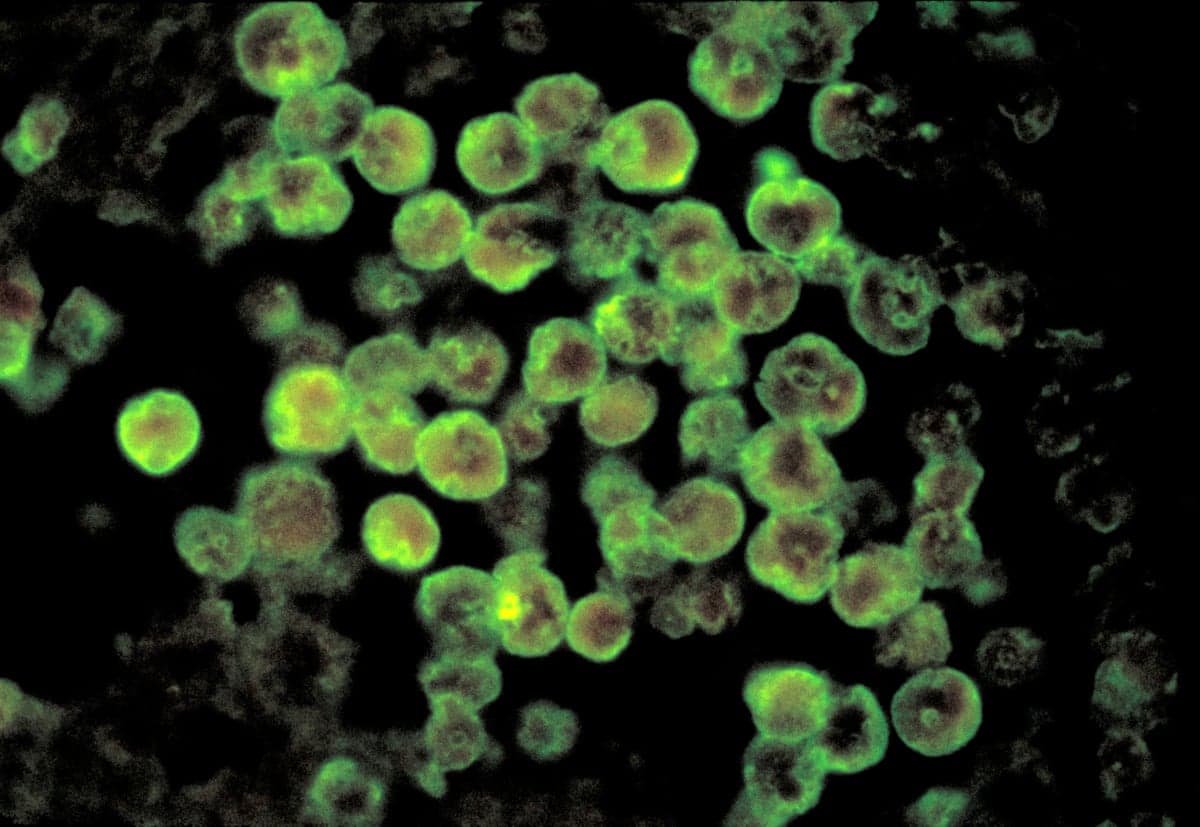
A teenager in North Carolina has died after contracting Naegleria fowleri, a rare and frequently fatal single-celled organism found in warm freshwater environments. The state's health department confirmed the death on Monday, 1 September 2026, marking a tragic case of primary amebic meningoencephalitis (PAM), an infection that progresses with devastating speed.
The North Carolina Department of Health and Human Services (NCDHHS) released a statement saying:
NCDHHS has been informed that the teen who developed a rare illness, caused by Naegleria fowleri died on Aug. 31, 2026. We extend our condolences to the family, friends and community impacted by this loss.
The teenager's mother, Monica Mendoza, identified her son as Moises Ponce Mendoza through an online fundraiser. She described his initial symptoms and the rapid deterioration that followed his exposure to contaminated water. According to state health officials, the source of the infection remains under investigation, with the NCDHHS working alongside the CDC and local health departments to identify how the teenager came into contact with the amoeba.
How did the infection develop?
Mendoza took Moises to a Burlington hospital on 21 August after he developed severe headaches, but medical staff examined him briefly and sent the family home. His condition deteriorated rapidly, and the following morning at 7am, Mendoza rushed him to the University of North Carolina hospital's emergency department. Doctors there diagnosed him with an infection caused by Naegleria fowleri, which Mendoza described as
an extremely rare amoeba that can enter through the nose, reach the brain, and cause inflammation, infection, and brain damage.
She added:
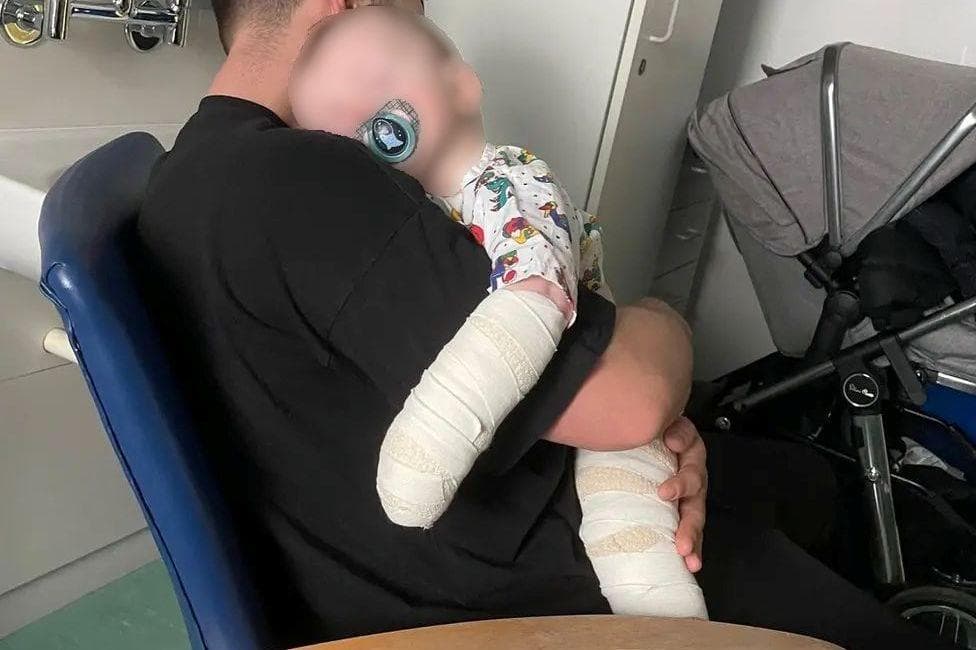
From that moment on, our lives changed completely. Moises is in a coma, and doctors are doing everything possible to fight this illness and give him a chance to pull through.Pictures shared online showed Moises intubated in a hospital bed and receiving intravenous fluids as medical teams attempted to treat the infection.
What is Naegleria fowleri and how dangerous is it?
Naegleria fowleri thrives in warm ponds, lakes and rivers but is not present in saltwater or properly maintained chlorinated swimming pools. The organism is harmless if swallowed, but becomes potentially lethal when contaminated water enters the nose and travels to the brain—a risk that increases during water activities such as diving, water-skiing, or jumping into warm freshwater.
When the amoeba reaches the brain, it causes primary amebic meningoencephalitis, an infection with severe consequences. Symptoms begin with intense headaches, fever, nausea and vomiting, progressing to a stiff neck, seizures and coma. According to the US Centers for Disease Control and Prevention, the disease typically progresses rapidly, often causing death within approximately five days of symptom onset. The CDC has documented that more than 97% of people who contract PAM die from the infection.

Fewer than 10 cases are typically reported across the United States each year, usually during extended periods of hot weather when freshwater temperatures rise significantly. However, as state health officials have warned, people can reduce their risk by avoiding untreated freshwater or using untreated water to rinse or irrigate the nose.
What prevention measures are recommended?
Health authorities advise swimmers to maintain their heads above water when in warm freshwater environments and to use nose clips or manually hold their noses shut when entering the water. Diving or jumping into warm freshwater should be avoided, as should submerging the head in hot springs or thermal waters. Additionally, people should refrain from disturbing sediment in shallow, warm freshwater areas where the amoeba may concentrate.
Why is this case significant?
Ponce's death gained wider attention following a similar tragedy in Louisiana. An eight-year-old girl, Lillian Smart, died after contracting a Naegleria fowleri infection, possibly while swimming in Lake Claiborne. She died on 23 August, eight days after being hospitalized—just days before Moises's death.
The family created a GoFundMe fundraiser to support medical expenses and funeral costs. According to reports, the fundraiser sought $7,500 and had raised over $2,000 as of Friday afternoon, reflecting community support during the family's crisis.
Is the amoeba spreading to new regions?
Scientists have raised concerns that climate change is altering environmental conditions in ways that may expand the geographic range of Naegleria fowleri. The organism has been detected in parts of the United States where it was not traditionally found, with evidence suggesting the amoeba is expanding from southern states into the Midwest. A University of Arizona microbiologist noted that the organism
likes warm surface waters during the summer in the northern latitudes, indicating that warming trends could create suitable habitats in regions previously considered safe from infection.
What happens next?
The investigation into the source of Moises's infection remains ongoing. According to state health officials, the NCDHHS is collaborating with the CDC and local health departments to determine where and how the teenager was exposed to the contaminated water. No public update or resolution date for the investigation has been announced.
Key Facts:
- Naegleria fowleri causes primary amebic meningoencephalitis, with a fatality rate exceeding 97% among infected individuals
- Fewer than 10 cases occur annually in the United States, typically during hot weather when freshwater temperatures rise
- The amoeba enters the body through the nose and can reach the brain within days, causing severe neurological damage
- Prevention requires avoiding untreated freshwater, using nose protection during water activities, and refraining from diving in warm freshwater environments
- Climate change may be expanding the geographic range of Naegleria fowleri into regions where it was previously uncommon