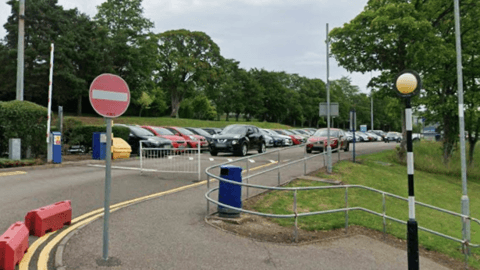
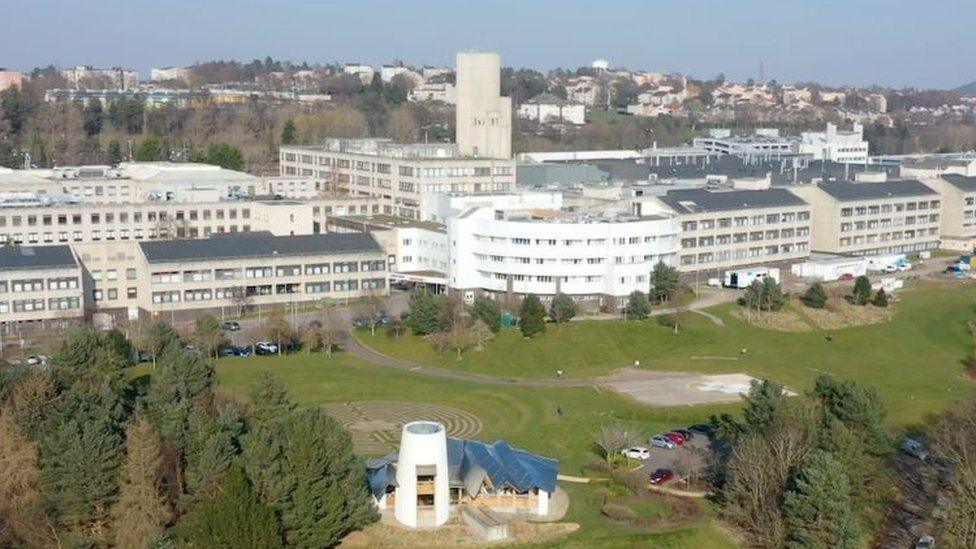
Ninewells Hospital in Dundee is planning to install automatic number plate recognition (ANPR) cameras to enforce parking time limits and tackle severe congestion in its car parks, according to BBC News. The move follows a health board review triggered by widespread complaints from patients, staff and visitors struggling to find spaces, with some facing waits of up to an hour that cause them to miss or arrive late for appointments.
NHS Tayside presented its parking management strategy to the board on Thursday, 29 October 2026, proposing ANPR cameras in three ground-level car parks at Ninewells, according to Herald Scotland. The health board's chief executive Caroline Lamb stated that the parking-management equipment must be renewed by 2028 because it will become outdated, and emphasised there is no intention to reintroduce parking charges.
Why is parking such a problem at Ninewells?
A traffic survey revealed approximately 7,000 vehicles normally enter the hospital site between 07:00 and 15:00 on weekdays, yet only 2,500 parking spaces are available. This significant shortfall has created persistent congestion and frustration among those needing to access the facility.
The situation intensified after the Scottish government scrapped parking fees at Ninewells in 2021. While this removed a financial barrier for patients and visitors, it has contributed to increased demand. Some observers have suggested that certain drivers use the hospital as a park-and-ride facility to travel into Dundee city centre, though The Courier reported that NHS Tayside said it had no evidence to support such claims.
How will the new cameras work?
The ANPR system will enforce the existing four-hour time limit for short-stay car parks. Visitors currently must display a free ticket on their vehicles, and those exceeding the limit face fines. During 2025, more than 14,500 fines were handed out at Ninewells car parks—a rise of more than 3,500 compared to 2024—indicating that the current enforcement approach has proven insufficient.
NHS Tayside hopes the cameras will improve vehicle turnover in high-demand public parking areas closest to the main entrance and provide more reliable real-time information on parking use. This data will support future decisions about parking allocation and traffic management. The health board has a parking budget of just over £1 million and will assess the financial impact after receiving contract tenders.
What other changes are planned?
The strategy unfolds in two phases. The first phase involves renewing the car park management and enforcement contract at both Ninewells and Perth Royal Infirmary, alongside the introduction of ANPR cameras in the three designated car parks at Ninewells.
The second phase encompasses broader operational improvements designed to enhance traffic flow and better match parking provision with the needs of patients, visitors and staff. These measures include reconfiguring drop-off areas, expanding provision for blue badge holders, introducing transparent and evidence-based permit criteria for staff, and redefining which areas serve staff and which serve the public.
Two workshops on parking involved representatives of patients, staff, bus companies and politicians, with ideas discussed including parking passes to limit site users and video consultations for some patients, according to The Courier.
What did health board leaders say?
Rose Jenkins, NHS Tayside's director of infrastructure, acknowledged at the board meeting that
everybody recognises there's a long-term issuearound parking at the hospital. She stressed that
there is no intent to put charges back inand explained the enforcement approach:
If you don't follow the rules, you'll get a ticket, and therefore you'll be expected to pay a fine for that. Overall, we are hoping this will make improvements.
What happens next?
NHS Tayside is awaiting procurement information on timescales and next steps. The proposed measures are to be reviewed after six months to assess their effectiveness. No current timescale has been set for the introduction of the new measures, though the equipment renewal deadline of 2028 provides a framework for implementation.