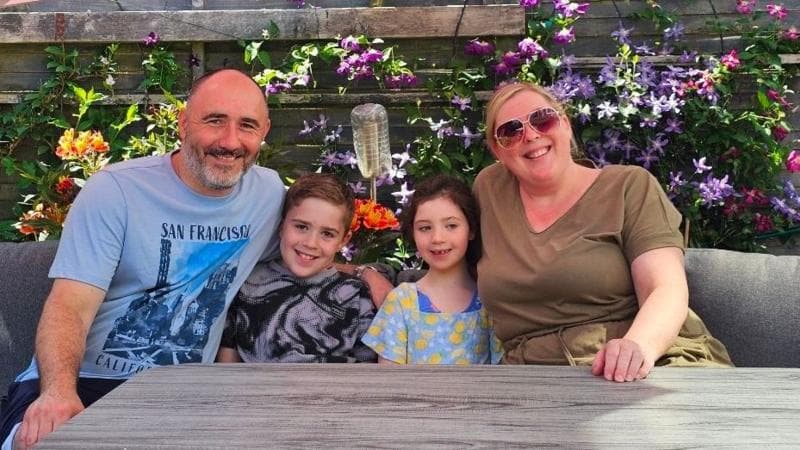
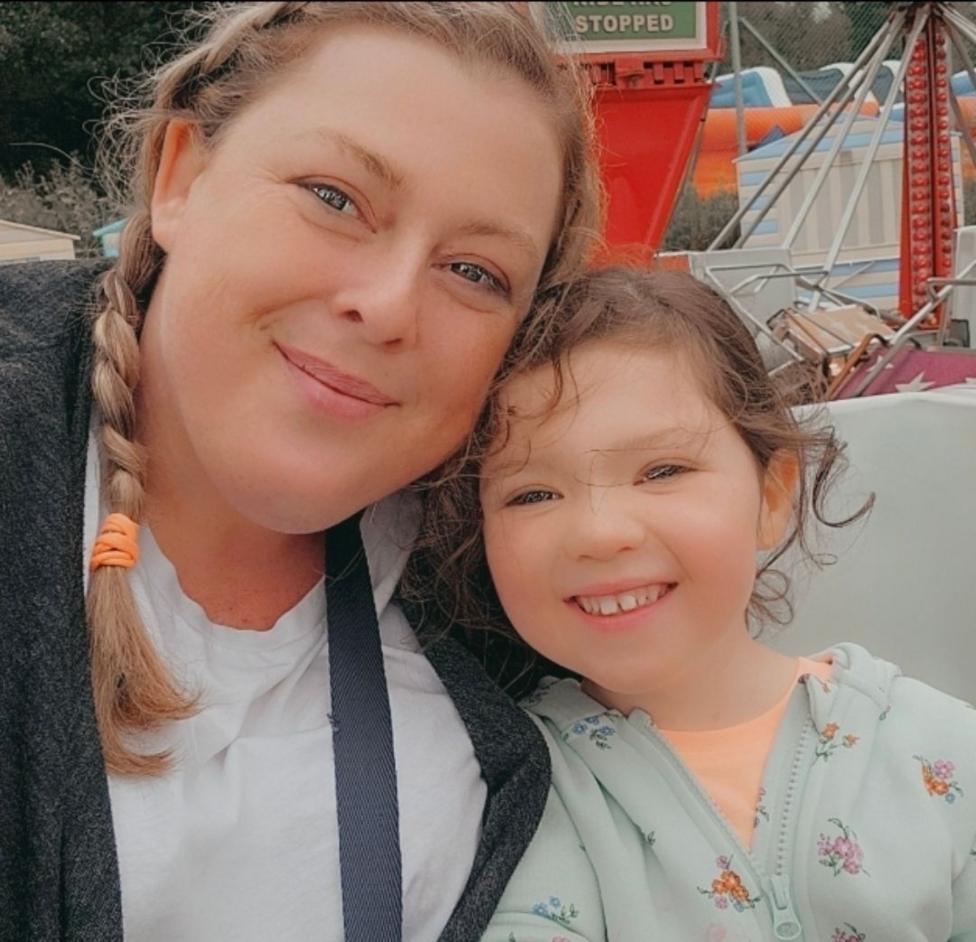
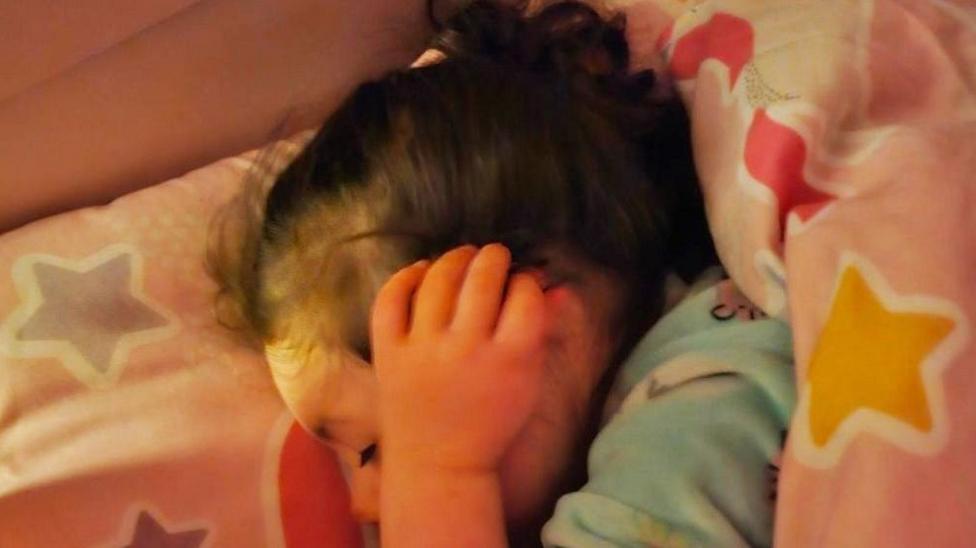
Grace Miller, a six-year-old with autism, faces a familiar ordeal each October and November when fireworks season arrives. She retreats to her bedroom, closes the door and blinds, and attempts to shield herself from the relentless noise outside. Yet despite her efforts, the constant explosions often leave her deeply distressed and crying. According to BBC News, her experience reflects a broader challenge faced by autistic children and adults whose sensory sensitivities make this period particularly difficult.
Grace's mother, Laura Miller, has launched a petition on Change.org urging East Dunbartonshire Council to establish firework control zones similar to those already implemented in parts of Glasgow and Edinburgh. She argues that while the distress fireworks cause to animals is widely acknowledged, the impact on people with autism and other neurodivergent conditions receives far less attention.
Diagnosed with autism two years ago, Grace experiences significant challenges during the autumn months.
She's funny, outgoing, just a beautiful wee girl – but when something like this happens she goes in on herself and hunkers down,Laura explained to BBC Scotland News.
You feel absolutely powerless when it all kicks off every night. Your children look to you for protection and for you to come up with a solution, but in this case you can't.
How does autism affect sensitivity to fireworks?
People with autism experience sensory input differently, with sensitivity levels varying considerably from person to person. For Grace, loud noises trigger what is known as sensory overload—a state of being overwhelmed by sensory stimulation. She now wears ear defenders every night, though they only muffle rather than fully block the sound.
She has so much distress when it starts and is often crying herself to sleep,Laura said.
The National Autistic Society has issued guidance in recent years to help autistic individuals manage fireworks season, offering strategies to reduce stress and anxiety. However, practical measures like ear defenders provide only partial relief for many sufferers.
What powers do councils have to control fireworks?
The Fireworks and Pyrotechnic Articles (Scotland) Bill, passed in 2022, granted local authorities the ability to designate firework control zones. Within these zones, setting off or throwing fireworks from private property becomes an offence, though sparklers and organised public displays remain permitted. Both Edinburgh and Glasgow have already acted on this power. Edinburgh established 14 zones running from 30 October to 8 November, while Glasgow's zones extend through 9 November. These measures were introduced primarily to address anti-social behaviour and disorder around Bonfire Night.
Laura believes East Dunbartonshire should follow suit.
I don't want to ruin anyone's fun but this is a real struggle,she said.
It is not just 5 November and at the New Year, it is here, there and everywhere from October onwards. If it was a couple of days and that was it, it would be a lot easier to cope with.
What is the council's position?
East Dunbartonshire Council has stated that misuse of fireworks is relatively limited across the area and that it does not receive many complaints. In correspondence with local politicians, the council indicated that control zones are intended to respond to significant disorder rather than serve as a general solution for people troubled by fireworks. However, council chief executive Ann Davie told the Glasgow Times that the council would welcome contact from Laura Miller to discuss its position and the possibility of introducing zones locally.
Laura rejects the council's characterisation of the issue.
It's hard for someone to understand unless you have someone that is neuro-divergent in your family,she reflected.
Since Grace was born, there have been challenges but we have rode through them together, and we will keep doing that with this as well.
Who else is affected by fireworks?
Grace is not alone in her struggle. Jonathan Blythe, 41, who has Asperger's Syndrome, dreads autumn's arrival knowing it will bring nightly noise.
We've been hearing fireworks almost every night, sometimes even during the day,he said.
My partner and I can't even relax and watch television together in the evenings without me becoming distressed by the fireworks.
Living in the Barmulloch area of Glasgow, which falls outside the city's firework control zones, Jonathan has experienced panic severe enough to drive him from his home.
This really is affecting me and my day-to-day life, there is a real impact fireworks have on people like me,he explained.
Laura's petition broadens the scope beyond autistic individuals, naming people with PTSD, older residents and animals among those who may be affected. The petition calls for the council to consider suitable zones, establish a request process, consult affected groups and raise awareness of fireworks' impact. Created on 12 September 2026, the petition had gathered 834 signatures by 24 October, with 183 added in that week alone. The request also asks for consultation with schools, disability organisations and animal-welfare groups.
What happens next?
Laura intends to continue pressing for change through her petition and direct engagement with the council. While East Dunbartonshire has indicated openness to discussion, no formal decision date on introducing firework control zones has been announced. The outcome will depend on whether the council chooses to exercise the powers already available to it under Scottish law.