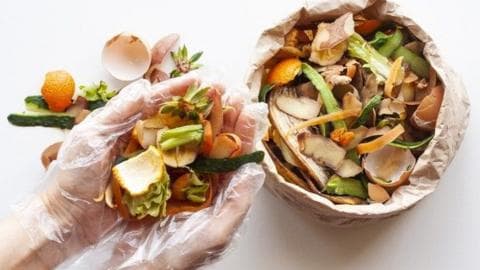
Researchers at King's College London have found that discarded parts of fruit and vegetables—including peels, seeds and stalks—contain significantly more dietary fibre than the portions people typically eat, according to BBC News. The study suggests that adopting "root-to-tip" eating practices could help address a widespread nutritional gap, as only 4% of UK adults currently meet the recommended 30g daily fibre intake.
The researchers analysed 12 raw or uncooked fresh foods—beetroot, bell pepper, broccoli, butternut squash, cauliflower, celeriac, curly kale, fennel, kiwi fruit, leek, pineapple and watermelon—and discovered that many discarded components contained substantially more fibre than the sections people routinely consume. The peer-reviewed findings were published online on 29 October 2026 in the International Journal of Food Sciences and Nutrition.
Why is fibre so important?
Dietary fibre plays a crucial role in digestive health, helping prevent constipation and enabling the gut to function properly. Beyond digestion, adequate fibre intake helps people feel fuller for longer and is linked to a reduced risk of heart disease and bowel cancer. Despite these well-documented benefits, the vast majority of adults fall short of recommended levels.
Which parts of produce contain the most fibre?
As a general principle, the skins of fruit and vegetables contain more fibre than their interiors. Eating a kiwi with the skin intact provides 50% more fibre than consuming a peeled one. The King's College London research revealed striking differences across the produce studied:
Watermelon rind contained 2.10g of fibre per 100g—roughly equivalent to the fibre in a slice of wholemeal bread. Butternut squash skin and seeds delivered 9.25g per 100g—nearly as much fibre as a bowl of bran flakes. Pineapple skin and core contained five times more fibre than the flesh alone. Broccoli stalks also provided fibre, though slightly less than the florets.
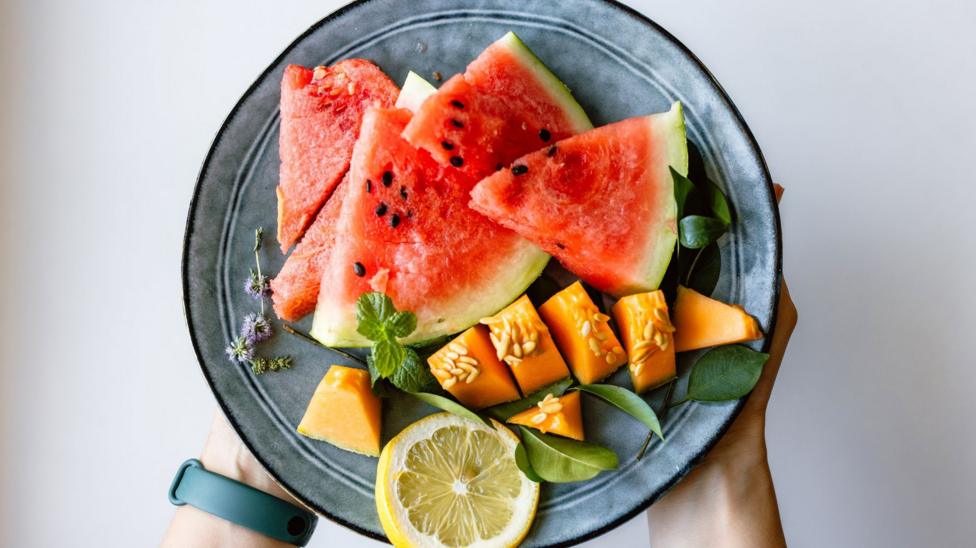
The discarded components made up 25%–48% of the total weight of the produce studied, representing both a nutritional and financial loss for consumers.
What did the canteen trial reveal?
King's College London tested root-to-tip eating in its canteen, offering staff and students experimental meals such as banana skin curry. Over a nine-week period, root-to-tip dishes accounted for a third of total daily hot menu sales at the university. The initiative prevented up to 245 kg of food waste over those nine weeks, assuming no plate waste.
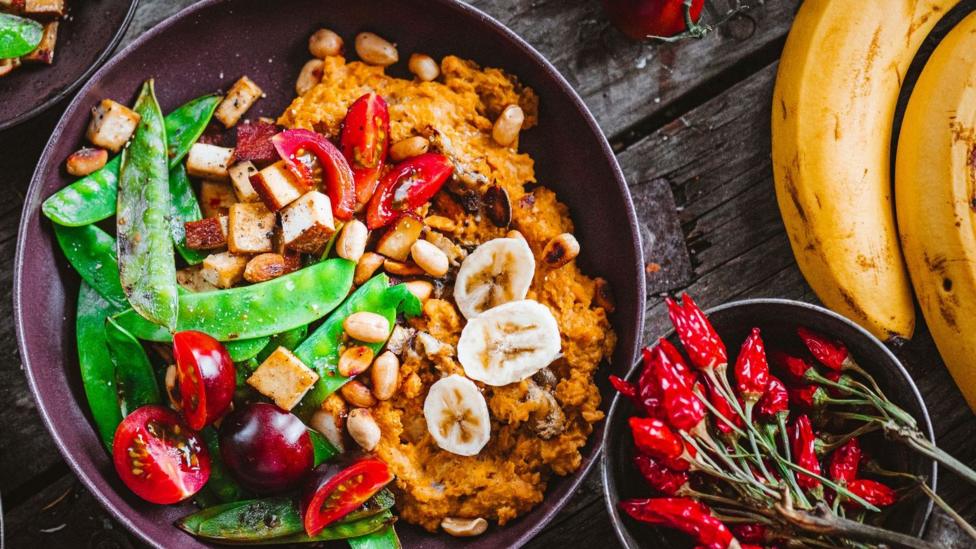
However, those selecting the new dishes were less likely to finish their meals than diners eating from the conventional menu, suggesting some hesitation about unfamiliar preparations. Despite initial concerns from some diners, the trial demonstrated that consumers recognised the value of these approaches when presented with properly prepared options.
Project lead Dr Rachel Gibson emphasised the dual benefit of the approach:
This isn't just a nutritional loss, it's also a financial one; you're effectively throwing away a substantial portion of what you've paid for.She added that
This isn't about perfection and this isn't about forcing people to eat unpalatable food – it's about recognising the nutritional value in components we've been conditioned to discard.
How can people incorporate scraps into their diet?
At home, simple adjustments can increase fibre intake without requiring dramatic dietary changes. Leaving skins on kiwi fruit, using broccoli stalks in stir-fries, or adding bell pepper seeds to dishes are straightforward starting points. Cooking methods matter: steaming, microwaving or quick sautéing tend to preserve nutrients best, while boiling can reduce fibre content more significantly.
Kirsten Jackson, a dietitian with the British Dietetic Association who specialises in irritable bowel syndrome, recommends practical strategies such as blending pineapple cores into smoothies. She suggests that some stalks may need to be cooked or finely chopped to improve palatability.
Just because a broccoli stalk doesn't fit into tonight's meal doesn't mean it needs to go in the bin. Chop it up, freeze it and add it to a soup or stir-fry another day,she said.
Focus-group participants in the research saw nutritional benefits, especially fibre, as a stronger reason to try root-to-tip eating than sustainability, suggesting that health messaging may be more effective than environmental appeals in encouraging behaviour change.
What should people avoid?
Not all plant parts are safe to eat. The British Nutrition Foundation warns against consuming green potatoes and rhubarb leaves, which contain toxic compounds. Tough stalks and seeds may also pose choking hazards for young children and should be avoided in their diets. Jackson advises increasing fibre intake gradually to prevent bloating, noting that people with IBS may find it harder to tolerate rapid increases.
Key facts
- Only 4% of UK adults meet the recommended 30g daily fibre intake
- Butternut squash skin and seeds contain nearly as much fibre as a bowl of bran flakes per 100g
- Discarded produce components represented 25%–48% of total weight in the study
- King's College London's nine-week canteen trial sold over 6,000 root-to-tip meals and prevented up to 245 kg of food waste
- Cooking methods like steaming and microwaving preserve fibre better than boiling