Women across England who have not attended cervical screening appointments are being offered HPV self-testing kits by the NHS, with nearly 4 million eligible individuals set to receive invitations from 24 August 2026 via the NHS App, text message, email or letter.
The initiative targets women and people with a cervix who are at least six months overdue for screening. According to Cancer Research UK, the scheme was designed to reach those who have fallen behind on their screening schedules. Current figures indicate that approximately one third of women eligible for cervical cancer screening have not recently taken up the offer.
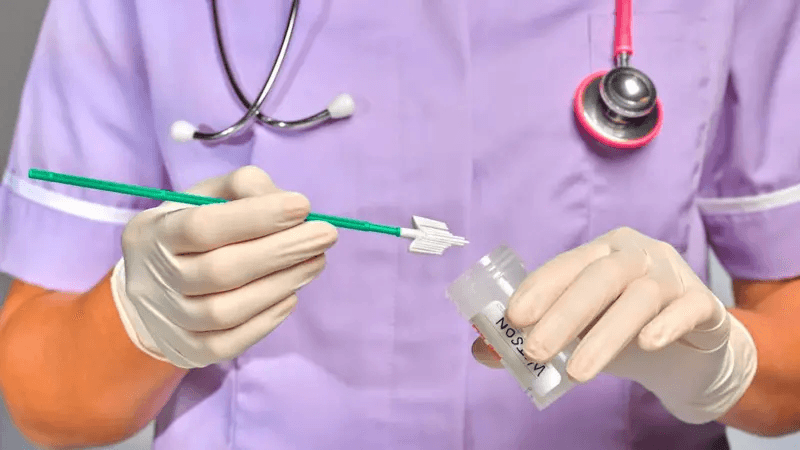
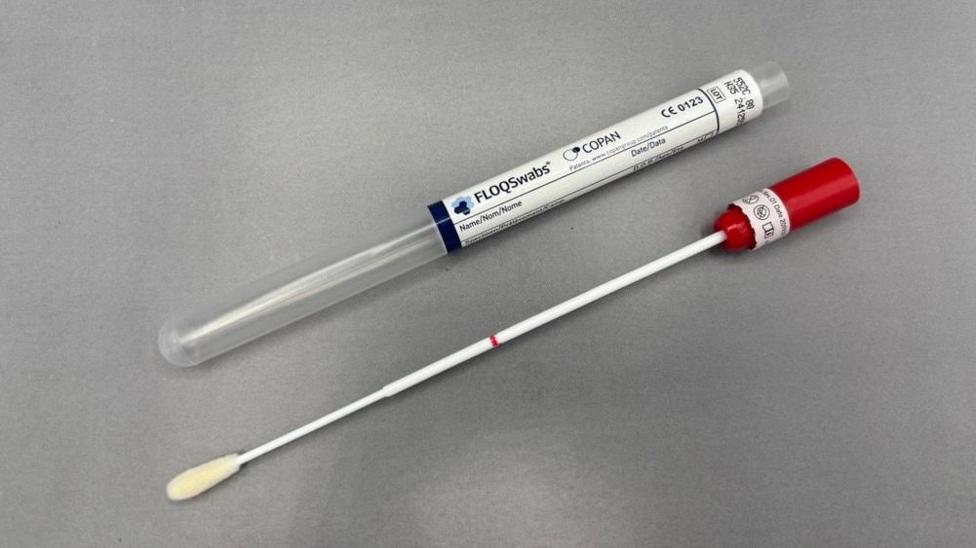
The self-testing kits are designed to detect high-risk HPV virus, which is responsible for nearly all cases of cervical cancer. Each kit contains a swab similar to a long cotton bud, which users collect from the vagina at home. The sample is then returned to the NHS for analysis. If high-risk HPV is detected, individuals will be invited to book a follow-up cervical screening appointment with a clinician. It is important to note that while high-risk HPV increases cervical cancer risk, it does not automatically mean a woman will develop the disease.

Why is home testing being introduced?
Cervical cancer often produces no symptoms until the disease has advanced and becomes more difficult to treat, making early detection through screening crucial. Dr Sue Mann, national clinical director for women's health, explained that many women face barriers to attending traditional screening appointments.
"Offering millions of women an alternative test they can do from the comfort of their own homes will be a game-changer – making it easier than ever for them to get tested. There are lots of reasons that may stop women from getting their cervical screening – embarrassment, lack of time or worries about discomfort – and these kits provide a discreet and convenient option we hope will encourage more women to take up the life-saving test."
Research has highlighted specific barriers to cervical screening access. Previous research funded by Cancer Research Wales explored why autistic women face particular challenges with cervical screening, identifying distress, pain and communication difficulties as key obstacles. The home-testing approach may help address some of these barriers by offering a more accessible alternative.
What does early detection mean for outcomes?
Early detection through screening can be life-saving. Gem Sofianos-Boorman, 39, was diagnosed with cervical cancer at age 28 following a screening appointment. Despite being young, healthy and experiencing no symptoms, her cancer was caught early enough to allow treatment before it spread. She underwent surgery to remove the cancerous cells and lymph nodes from her abdomen and pelvis.

"Looking back, I truly believe that going to my screening appointment saved my life. My cancer was found early, which allowed me to have treatment before it spread. That's why it's great news that the NHS is making it more accessible for some people to take part in screening. If you receive an invite to cervical screening, or an offer of a self-testing kit, please don't ignore it - it could save your life."
How effective is the home-testing approach?
Trials of self-testing conducted in London suggest the approach could significantly boost screening uptake. The trials indicate that the kits could encourage approximately one in 10 women to come forward for screening, potentially boosting annual uptake by around 400,000 women. This evidence formed the basis for the national rollout now being implemented.
The expansion in London has already begun. According to NHS guidance issued on 5 August 2026, HPV self-sampling has been rolled out across all London general practices. For people aged 25 to 49 who test negative following an HPV self-sample, the screening recall interval has been extended from three years to five years, effective 7 August 2026, reducing the frequency of future screening for those with negative results.
Who is eligible for the home-testing kits?
Eligible individuals include those aged 25.5 to 64 who are at least six months overdue for screening, as well as those aged 65 and over who have not been screened since age 60. Women aged 24 to 64 are normally invited for cervical screening every five years, or more frequently if HPV is detected.
What are the longer-term goals?
The home-testing initiative forms part of a broader strategy to eliminate cervical cancer. The scheme was first outlined by NHS England and the Department of Health and Social Care in June 2025 as part of the 10 Year Health Plan, with rollout planned from early 2026. Through a combination of HPV vaccination, which is offered to teenagers, and improved screening access, the NHS is aiming to eliminate cervical cancer by 2040.
The NHS emphasises that cervical screening appointments with a clinician remain the best way to prevent cancer. Even if you have missed an appointment, you can still come forward for traditional screening at any time. The home-testing kits are intended as an additional option to increase access, not a replacement for clinical screening.
Key Facts
- Nearly 4 million women in England will receive invitations from 24 August 2026 to order free HPV self-testing kits
- Approximately one third of women eligible for cervical screening have not recently taken up the offer
- High-risk HPV causes nearly all cases of cervical cancer, but detection does not guarantee the disease will develop
- London trials suggest the kits could boost annual screening uptake by around 400,000 women
- The NHS aims to eliminate cervical cancer by 2040 through vaccination and improved screening access