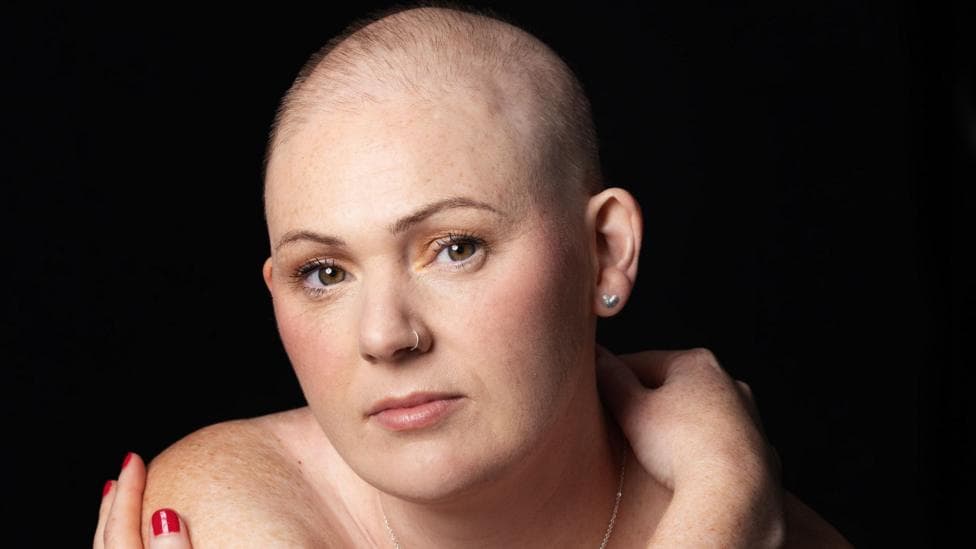
A prominent news presenter has disclosed that she is managing polycythaemia vera, a rare blood cancer, two years after her diagnosis. The announcement aims to increase public understanding of the condition and its impact on daily life.
Maryam Moshiri, a chief presenter at a major national broadcaster, explained her decision to speak publicly about her health. According to reporting on her disclosure, she is backing the "Here for This" campaign by Blood Cancer UK, which highlights everyday activities that people miss because of illness.
It's been two years since my diagnosis and I've felt that I've started to understand the disease a lot better and the way it affects my life. I've got a handle on it to a degree now, so I felt it was really important to raise awareness.
The 49-year-old added that her condition will require lifelong treatment.
I'm going to have to spend the rest of my life being treated for this,she said.
Understanding Polycythaemia Vera
Moshiri received her diagnosis in November 2024 with polycythaemia vera (PV), a rare but treatable blood cancer that affects the bone marrow. While the condition cannot be cured, it can be managed effectively with appropriate medical intervention. The disease causes the body to produce an excess of red blood cells, resulting in blood that becomes thicker than normal.
This thickening increases the risk of blood clots forming, which can lead to serious complications including stroke, heart attack, or deep vein thrombosis (DVT). Common symptoms include headaches, confusion, dizziness, and blurred vision, though many patients experience no obvious signs initially.
I was told by my consultant that I have this incurable blood cancer. Mostly I had no symptoms and that's one of the problems with this disease. The only reason mine was caught was because my GP was so fastidious in the way she did my routine blood tests and immediately sent them for further diagnosis.
Initial Treatment and Its Challenges
Moshiri's early treatment involved multiple sessions of venesection, a procedure in which blood is drawn from a vein in the arm to reduce its thickness. She underwent seven or eight of these hour-long procedures over approximately five months, a process she described as debilitating.
In about a space of five months, I had venesection seven or eight times. So you can imagine my iron levels hit the floor and I felt even more exhausted. After a while I started feeling extremely unwell and tired. I started losing my hair, I got itchy all over my body, but the main symptom was fatigue.
The fatigue she experienced was unlike ordinary tiredness.
It's the kind of fatigue that is not like I'm just tired and I didn't get a good night's sleep, you feel like someone has removed your battery completely, and however much sleep you get makes no difference.
Improved Management Through Immunotherapy
Moshiri's situation improved significantly after she began receiving interferon, an immunotherapy treatment available through the NHS. Following adjustments to her treatment plan, she has required only one venesection in approximately 15 months, marking a substantial improvement in her condition.
I've only needed one venosection in about 15 months, so that's been really good. The last couple of months have been better than the last two years.
She emphasised the importance of finding the right treatment approach for individual patients.
I think it's really important people understand that this blood cancer is incurable but it's manageable with the right treatment and you can lead a relatively healthy life. It's just a question of finding the right treatment and making sure it works for you.

While she acknowledges that she is
not the person I was two years ago,she reports feeling considerably better than during the most difficult period of her illness.
Long-Term Risks and Complications
In rare cases, polycythaemia vera can progress into myelofibrosis, another type of blood cancer, or even more uncommonly develop into acute myeloid leukaemia (AML), according to Blood Cancer UK, which funds research into blood cancers. Moshiri remains aware of the elevated risk of stroke, heart attack, and DVT that accompanies her condition.
Even though I feel the best I have in two years, I don't know how I'm going to be in six months, one year, two years. People with PV have a higher chance of stroke, heart attack or DVT, so it's something I always have be aware of and make sure I mitigate.
Continuing Professional Work
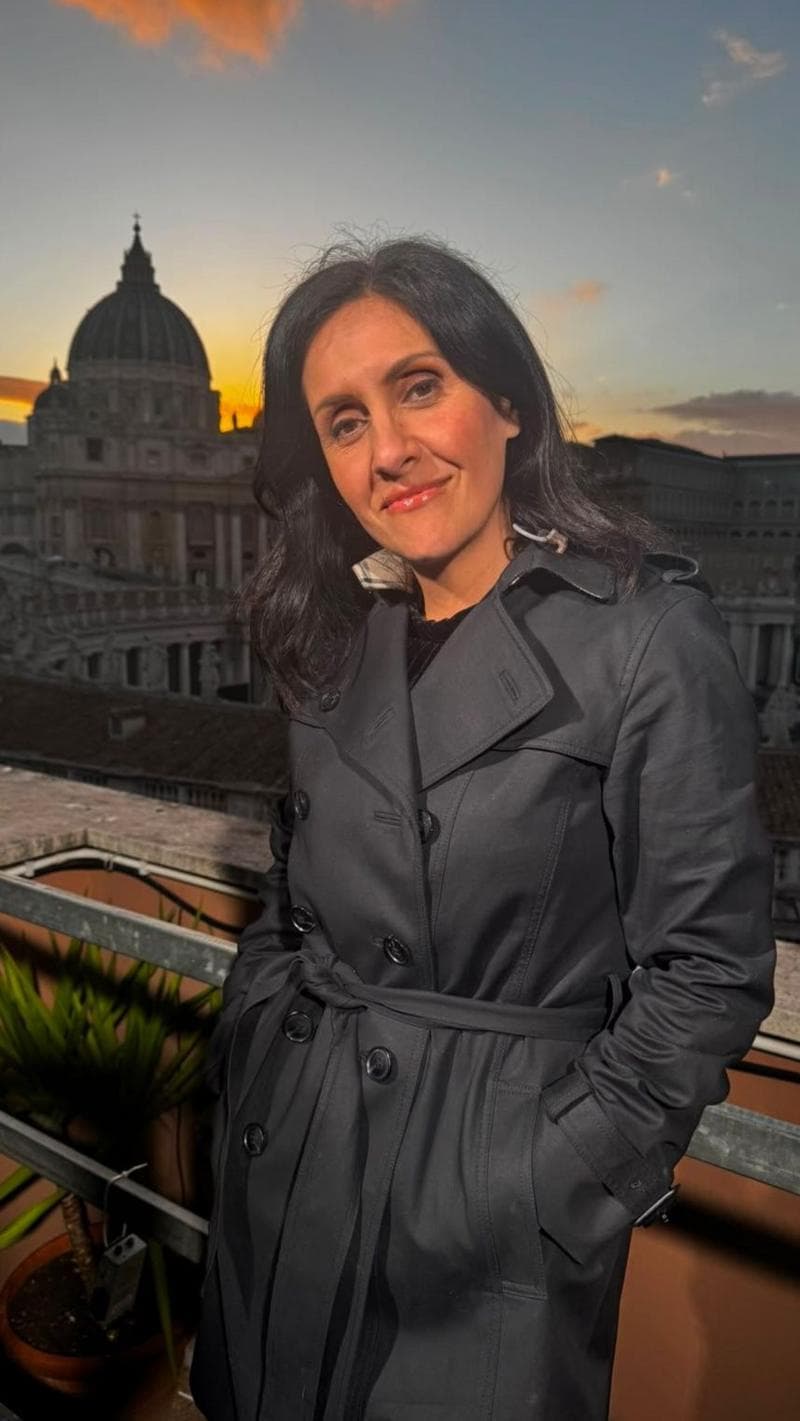
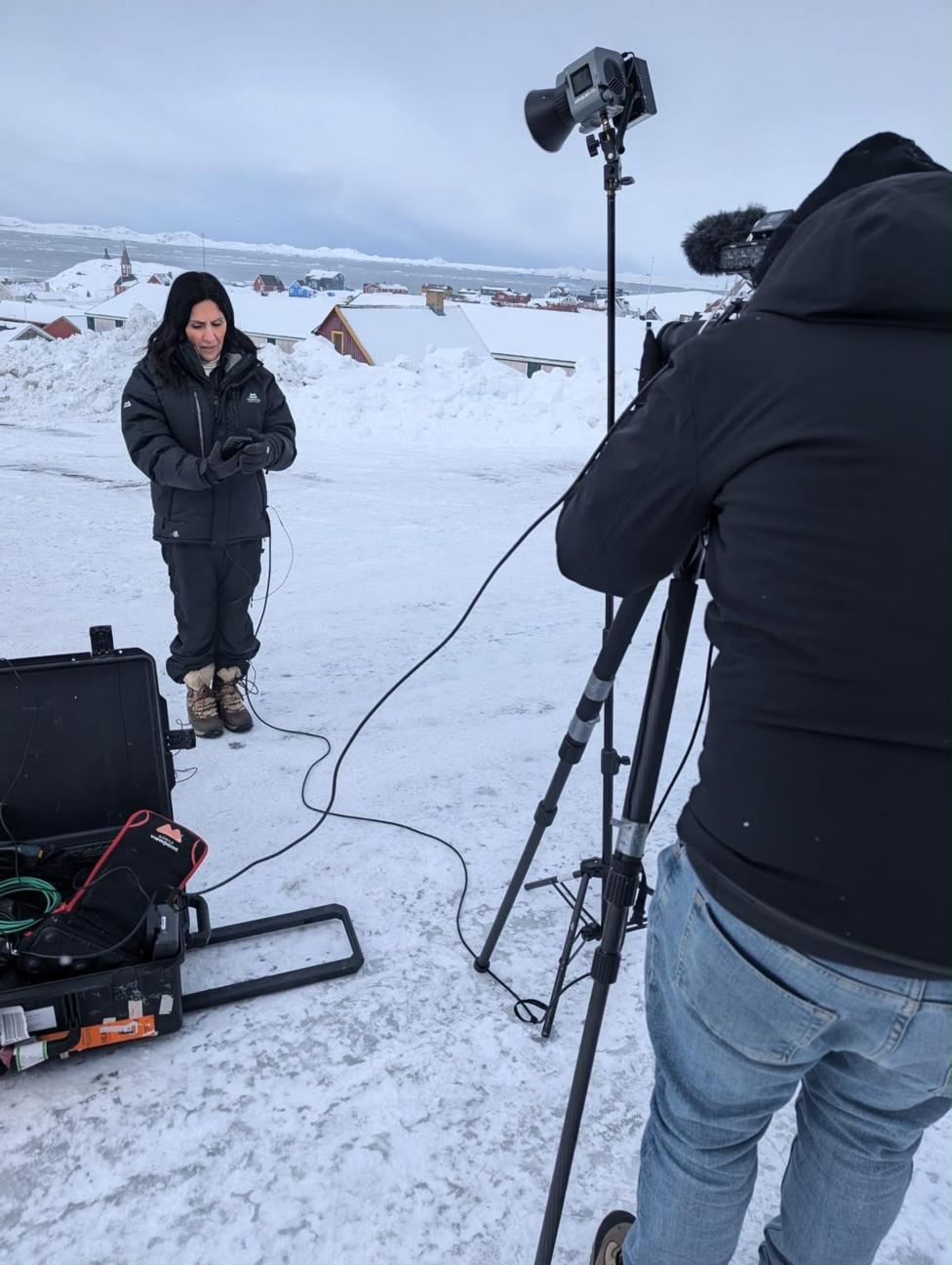
Despite managing a serious health condition, Moshiri has maintained her career as a news presenter, continuing to cover major international stories. According to her recent interview, she has stated that she does not want blood cancer to stop her from doing her job. Over the past two years, she has travelled globally for assignments, including anchoring coverage from Qatar at the beginning of the US-Israel conflict with Iran, reporting on the selection of a new Pope from the Vatican, and travelling to Greenland to cover Vice-President JD Vance's visit.
Impact on Family Life
The mother of three children—Iris, 13, Vivienne, 11, and Caspian, 9—has had to adjust her family life to accommodate her condition. She sometimes cannot attend family occasions or engage in activities with her children due to exhaustion.
It took me a long time to be able to tell them about this illness, because I don't want to worry them, but they have been so understanding. When I say things like 'mummy is to tired to play with you', they get it and they don't push it.
She credits her support network, including her husband Jonathan, management at her workplace, and her children, with helping her navigate life with the condition.
Public Health Advocacy
Helen Rowntree, chief executive of Blood Cancer UK, praised Moshiri's decision to speak publicly about her diagnosis.
We're so grateful to Maryam for bravely sharing her story. When public figures speak openly about their diagnosis, it cuts through the silence that so often surrounds blood cancer – the UK's fifth most common cancer and third biggest cancer killer.
Rowntree highlighted that blood cancer often feels like a silent disease because patients may present with vague or difficult-to-identify symptoms. She noted that many people living with blood cancer manage their illness, treatment, and side effects while maintaining work and family responsibilities.
We urgently need continued public and government support to fund the next generation of kinder, more effective treatments with fewer side-effects – so that more people with blood cancer can live well, spend less time dealing with the impact of treatment and be there for the moments that matter.
According to coverage of her announcement, Moshiri is supporting Blood Cancer UK's "Here for This" campaign, which aims to highlight the everyday experiences and moments that people with serious illnesses often miss.
Looking Forward
Moshiri expressed optimism about future medical advances.
There is a lot of research going into blood cancer and scientific advancement to look forward to. Hopefully they'll be some sort of advancement that will help even more than these medications I've been given.
She joined the broadcaster in 2003 and has established herself as one of its most recognisable news anchors over two decades of service.