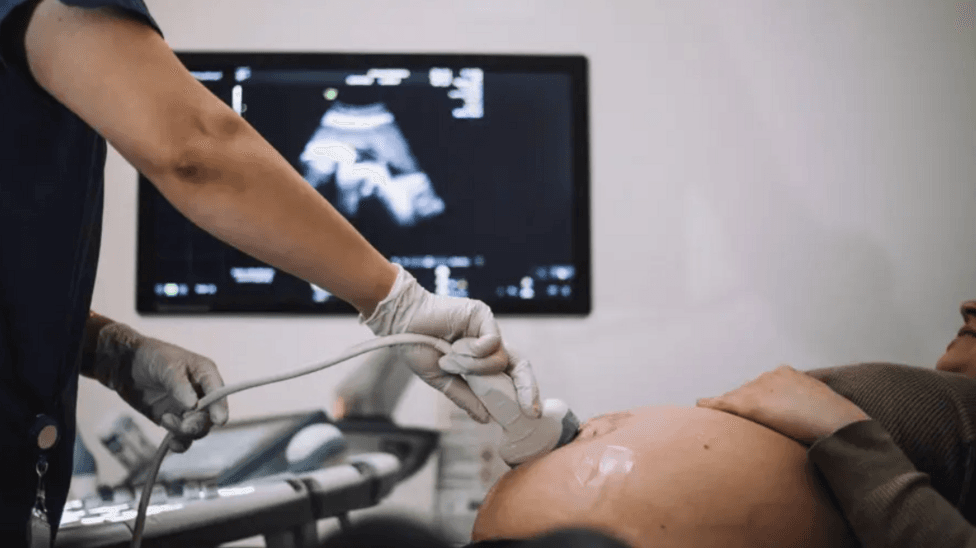
Charlotte McCann has endured severe pain from endometriosis since adolescence, a condition that forced her to abandon her career in corporate finance and now confines her to bed on many days. At 27, she is among millions of women living with this debilitating inflammatory disease, and she is hopeful that a new pain management programme being trialled in the UK could transform treatment options for others facing similar struggles.
Endometriosis is not simply a painful period condition, as commonly believed. Rather, it is a systemic inflammatory disease in which cells resembling those that line the womb begin growing in other parts of the body—on the bowel, in the lungs, or elsewhere—where they multiply and create raw, inflamed sores. Those affected often wait years for diagnosis, and because no cure exists, women are left managing debilitating pain that disrupts relationships, work, education and mental health.
The five-year study, funded by the National Institute for Health and Care Research (NIHR) and led by the University of Aberdeen and NHS Grampian, will test a 12-week personalised endometriosis-specific pain management programme (e-PMP) alongside standard care. According to the University of Aberdeen, the trial will compare a remotely delivered programme combined with standard care against standard care alone, investigating whether this tailored approach can improve quality of life for women whose pain remains inadequately controlled by surgery or medication.
Charlotte's journey with endometriosis
Charlotte, from Huntly in Aberdeenshire, currently lives with stage 4 endometriosis. She described the severity of her symptoms:
I would wake up in the night vomiting and I was always worried that maybe my appendix had burst or I had a kidney infection or something like that. The pain would come on so strong, I wouldn't be able to even sit up straight, I wouldn't be able to stand up.
The condition affected her ability to work and function.
It was heavily disrupting my life. I couldn't focus on anything, and I couldn't sleep or eat because of the pain. There's no way I could continue my nine-to-five job when I could barely sit up.
After years of uncertainty, an MRI scan confirmed her diagnosis. The disease has spread to her bladder and other parts of her body. She attempted surgical removal of the affected tissue, but her symptoms returned. Currently, she manages her pain with strong opioid painkillers, which cause severe nausea and have led to significant weight loss. According to the University of Aberdeen, Charlotte has lost more than 40 pounds in recent months and now uses walking aids to move around due to back pain caused by her endometriosis. She is currently waiting for specialist care.
When asked about the new trial, Charlotte expressed optimism:
Endometriosis has had a huge impact on my life, and I am delighted to hear that they are looking at new ways to help the millions of women who are suffering with this every single day.
What will the trial involve?
Preparatory work has begun for the study, which carries a budget of £2.3 million. Once participants are recruited, they will take part in the 12-week personalised programme. According to the University of Aberdeen, the e-PMP includes CBT-informed psychotherapy, specialist physiotherapy, support on relationships, intimacy, communication and self-compassion, and medication optimisation to reduce side effects.
Pre-menopausal women will be randomly assigned to receive either the new programme alongside existing standard care, or existing standard care alone. The results of each approach will then be compared. Eligible participants will be recruited to the study by their specialist.
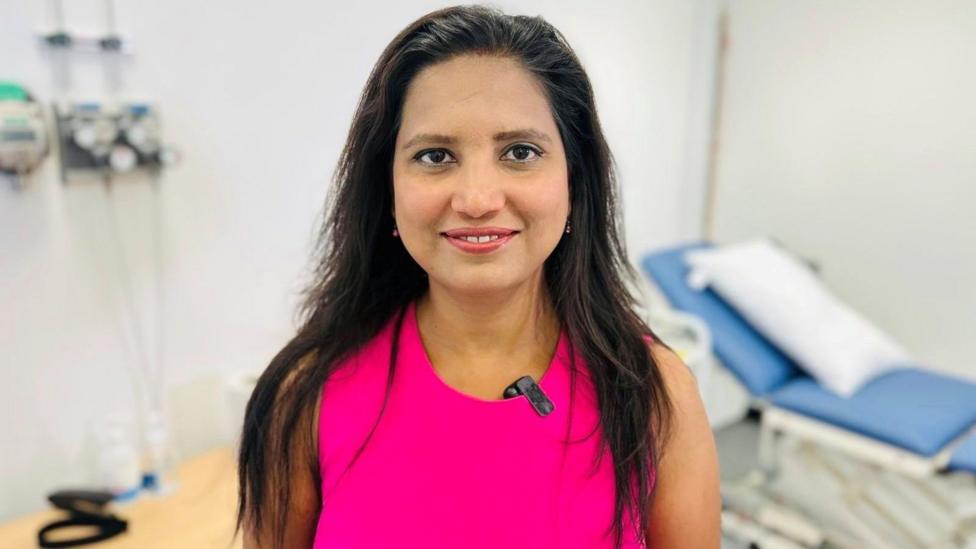
Consultant gynaecologist Dr Lucky Saraswat, an honorary senior lecturer at the University of Aberdeen and lead for Aberdeen Endometriosis Centre at NHS Grampian, is heading the study. She explained the rationale:
Endometriosis is one of the most common yet under researched causes of chronic pain. Many women continue to suffer even after surgery or medication. This study will help us understand whether a tailored, interdisciplinary pain management programme can offer meaningful, long term improvements in quality of life. If effective, e-PMP could become a vital new treatment option, particularly for women who wish to avoid repeated surgery or hormonal therapies, or who are planning a pregnancy.
Why this research matters
Alongside clinical results, the study will assess cost-effectiveness. Prof Anthony Gordon, director of NIHR's health technology assessment programme, highlighted the urgent need:
Many women could face years of agonising symptoms with few long-term options. High-quality research is essential to break this cycle and deliver treatment that addresses the full, complex impact of endometriosis. By evaluating tailored, non-surgical pain management, this trial could revolutionise care - providing desperately needed support, improving daily lives, and offering long-term relief when standard treatments haven't worked.
Emma Cox, chief executive of Endometriosis UK, added:
Symptoms of endometriosis including chronic pelvic pain can have a significant impact on someone's physical and mental health, and research is vital to helping improve management and treatment options. We welcome this much-needed research and look forward to working with the team to see how an endometriosis specific pain management programme could support those with the disease in the future.
Aberdeen's leading role in endometriosis research
The University of Aberdeen's endometriosis research team has established itself as a centre of excellence in the field. The team leads three of the UK's four clinical trials in endometriosis: PRE-EMPT, REGAL and DIAMOND, positioning Aberdeen as a major hub for advancing treatment and understanding of the condition.
What happens next
The five-year study will assess both clinical outcomes and cost-effectiveness. According to the University of Aberdeen, the findings could inform future NICE and ESHRE guidance and NHS resource allocation, potentially reshaping how endometriosis is managed across the health service.
Key Facts:
- Endometriosis affects approximately one in ten women and causes cells similar to those lining the womb to grow in other parts of the body, creating raw, inflamed sores
- The £2.3 million trial will test a 12-week personalised pain management programme combining CBT-informed psychotherapy, specialist physiotherapy, relationship support and medication optimisation
- Aberdeen's research team leads three of the UK's four clinical trials in endometriosis, establishing the city as a leading centre for the field
- Many women with endometriosis continue to suffer debilitating pain even after surgery or medication, with no cure currently available
- If successful, the e-PMP could become a vital treatment option for women seeking to avoid repeated surgery or hormonal therapies