Thousands more residents of Northern Ireland will gain access to bowel cancer screening under an expansion programme that will gradually lower the eligible age from 60 to 50 over the next five years. The rollout begins in November 2026 when 59-year-olds receive their first invitations, with the age threshold reducing annually until everyone aged 50 to 74 qualifies by 2031.
Currently, screening is restricted to people aged 60 to 74 in Northern Ireland. In contrast, England, Scotland and Wales already offer screening to all residents aged 50 to 74, who receive home testing kits every two years. The phased approach in Northern Ireland means those turning 50 will face a five-year wait before becoming eligible, highlighting a continued disparity across the UK.
Health Minister Robbie Butler framed the expansion as a life-saving measure. He stated that the investment would improve patient outcomes and generate annual savings of between £1.7 million and £2 million for the health service once fully implemented. The expanded programme is estimated to save approximately 60 lives annually, while participation is expected to increase by around 80 per cent compared with current screening levels.
Professor Lourda Geoghegan, Deputy Chief Medical Officer, explained that the phased rollout ensures diagnostic and treatment services can manage increased demand without compromising care standards. Once fully implemented, the programme will reach an additional 135,000 people annually across Northern Ireland.
Why the expansion matters
Bowel cancer represents one of the most prevalent malignancies in the UK. In Northern Ireland alone, approximately 1,300 people receive a diagnosis each year—roughly 25 weekly—with over 500 deaths annually. A growing proportion of those affected are younger than the current screening age, prompting calls from medical professionals for earlier intervention.
Dr Jonny Dillon, a general practitioner, was diagnosed with bowel cancer at age 49 in 2024 after presenting with symptoms that warranted investigation. He underwent extensive surgery to remove a 7-centimetre tumour and has since recovered well, returning to clinical practice. Reflecting on the announcement, he expressed enthusiasm tempered with caution.
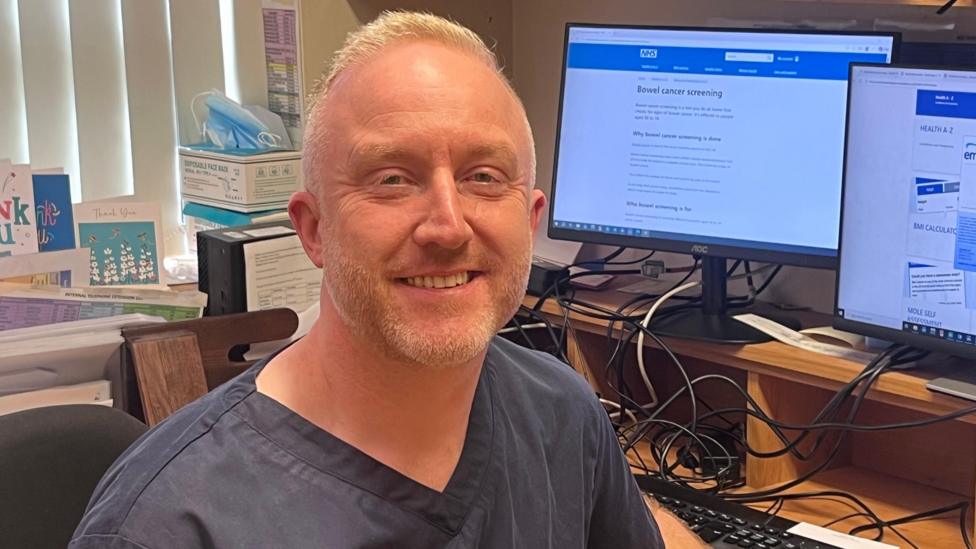
The decision to extend bowel screening will assist in detecting those patients at a much earlier stage, requiring less treatment and much better survival rates with the potential to save many lives. It is something many of us have been pushing for many years.
Dillon emphasised that his own diagnosis could have resulted in a poor outcome had there been delays.
Early screening and intervention for this increasingly common cancer will save thousands of lives in Northern Ireland and I am eternally grateful to all those who have campaigned tirelessly to make this long overdue change.
Genevieve Edwards, Chief Executive of Bowel Cancer UK, welcomed the expansion as a significant step forward. She noted that offering screening to more people creates opportunities to detect cancers earlier, when treatment is less intensive and survival prospects are higher.
How does the screening test work?
The screening programme uses a faecal immunochemical test (FIT), a home-based kit that allows individuals to collect a small stool sample and return it by post. Results typically arrive within approximately two weeks. The test does not diagnose bowel cancer directly; instead, it detects microscopic traces of blood in faeces, which may indicate the need for further investigation.
Most participants will not require additional testing. Those whose results suggest further investigation is warranted receive an invitation for colonoscopy or other diagnostic procedures. The threshold for triggering further tests currently differs across the UK. In England, Scotland and Wales, the level is set at 80 micrograms of blood per gram of faeces, whereas Northern Ireland currently operates at a higher threshold of 120 micrograms per gram. The Department of Health has indicated that data collected during the screening expansion will inform future decisions about lowering Northern Ireland's threshold to align with the rest of the UK.
What are the symptoms of bowel cancer?
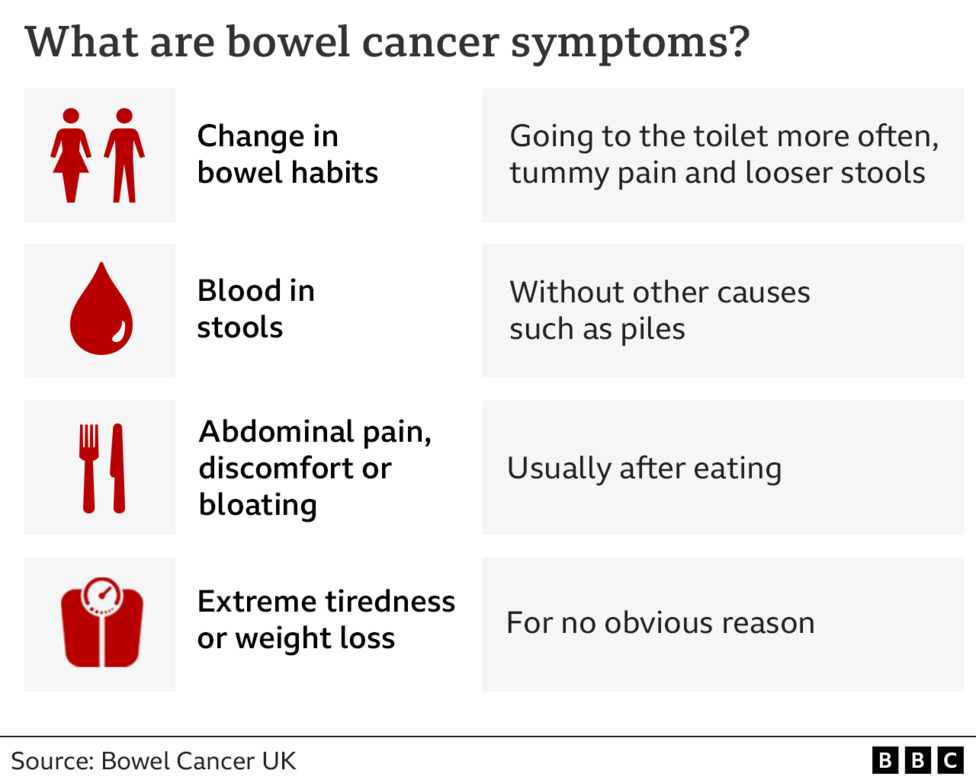
Bowel cancer can present with several warning signs that warrant medical attention. These include persistent changes in bowel movement frequency or consistency, visible blood in the stool, unexplained weight loss, and abdominal pain or discomfort. Screening can identify bowel cancer at an early stage, including in asymptomatic individuals, when treatment tends to be more effective. However, anyone experiencing possible symptoms should not delay seeking medical advice and should contact their GP rather than waiting for a screening invitation.
The disparity that remains
While the expansion represents progress, Northern Ireland will continue to lag behind other UK nations for several years. The five-year delay before 50-year-olds become eligible contrasts sharply with immediate access in England, Scotland and Wales, perpetuating an inequity in screening provision. This disparity is particularly significant given the disease burden in Northern Ireland, where incidence and mortality rates remain substantial.
The Northern Ireland Cancer Strategy 2022–32 committed to lowering the screening age and reducing the FIT threshold in line with UK National Screening Committee recommendations. Until those commitments are fully realised, Northern Ireland residents will face longer waits for access to screening compared with their counterparts across the Irish Sea.
What happens next
The rollout follows a structured timeline. Invitations to 59-year-olds are scheduled to commence on 2 November 2026, with 58-year-olds joining the programme from April 2027. The age threshold will continue to reduce annually thereafter until the full 50 to 74 age group becomes eligible by 2031. The Northern Ireland bowel screening programme, which began in April 2010 and was paused during the coronavirus pandemic before resuming in August 2020, will undergo its most significant expansion in over a decade.