A fresh outbreak of mpox in Guinea-Bissau marks the country's first documented cases of the viral infection, raising fresh concerns about transmission patterns as the disease continues to establish itself in new regions across Africa. Since 2022, confirmed and suspected mpox infections have been documented across 145 countries worldwide, a dramatic shift from the pre-2022 period when outbreaks remained largely confined to a small number of African nations where the virus was endemic.
The emergence of mpox in Guinea-Bissau is particularly troubling because of the age profile of those affected. As of 17 August 2026, the country had recorded 7 confirmed cases, all in adults, alongside 46 suspected cases, with 23 of those occurring in children under 15 years old and the majority aged under four, according to UNICEF reporting. This concentration among young children distinguishes the current outbreak from earlier waves and presents distinct public health challenges.
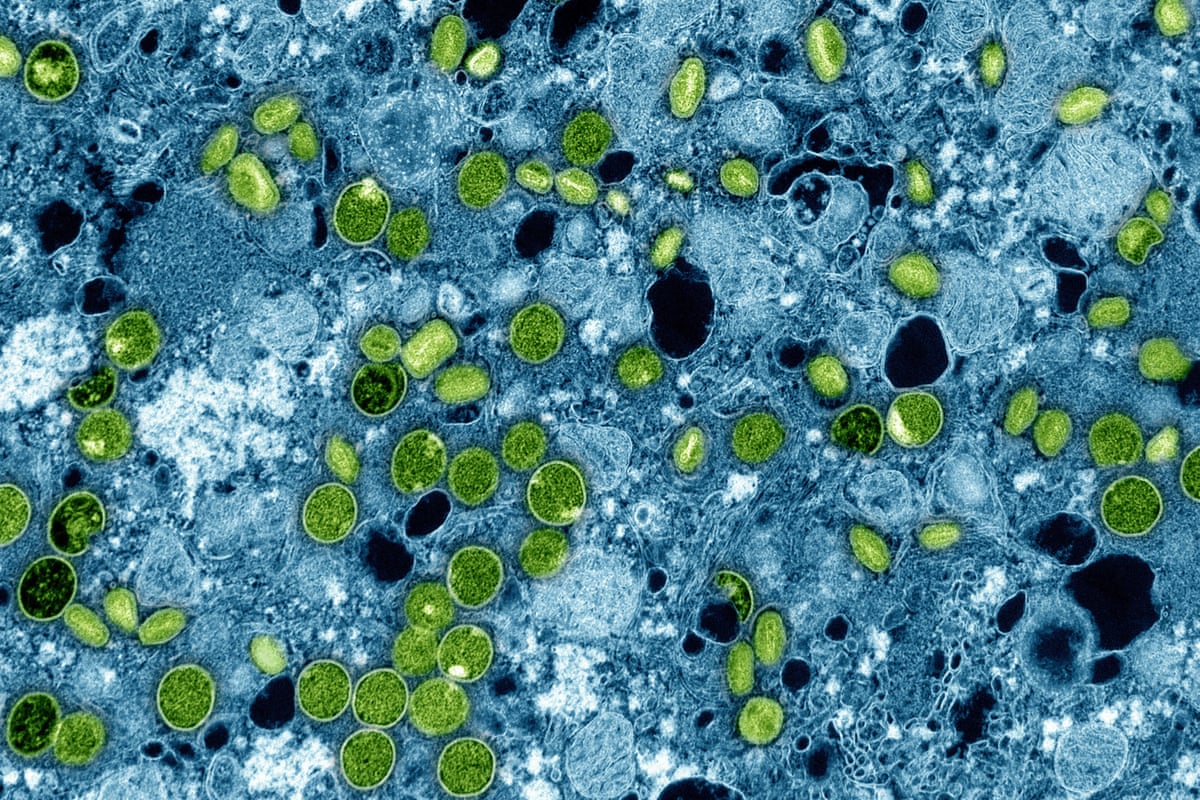
What is mpox and how does it spread?
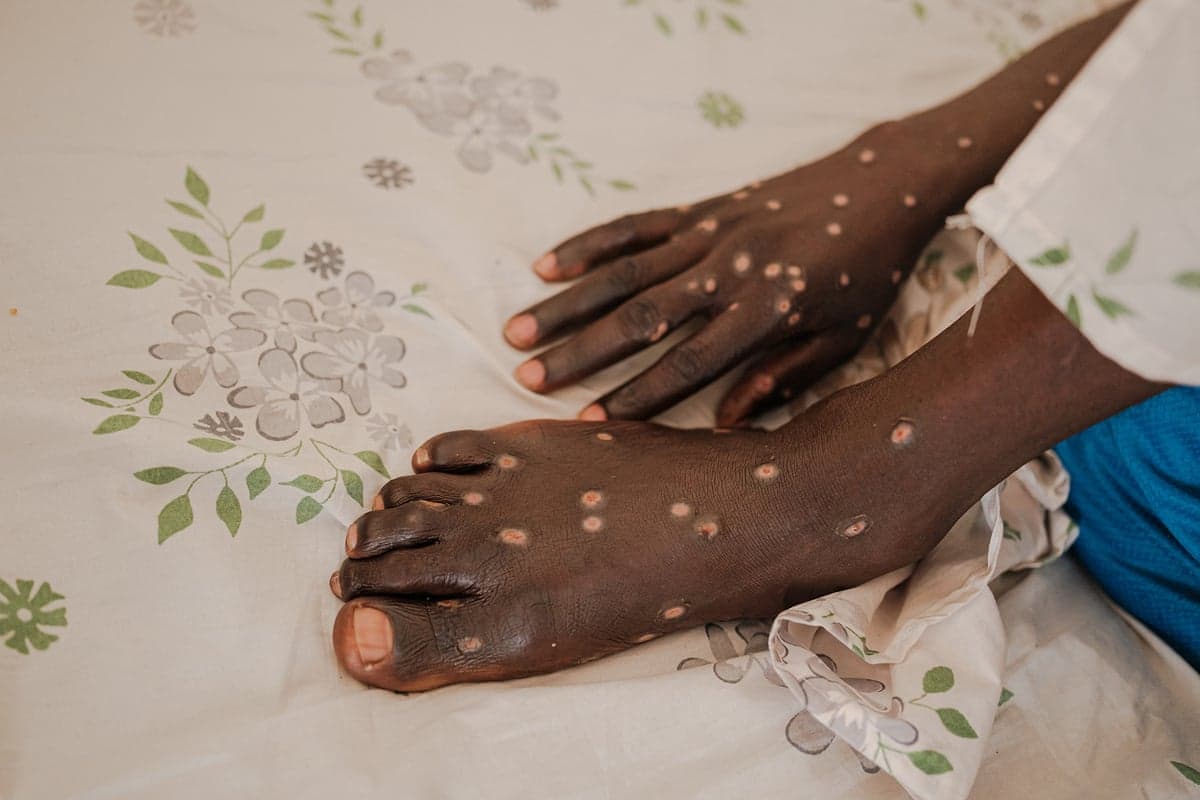
Mpox is an infectious disease that typically begins with flu-like symptoms including fever, chills and muscular aching. A distinctive rash follows, initially appearing as raised spots that develop into fluid-filled blisters before eventually forming scabs and healing.
The infection was originally named monkeypox after its 1958 discovery in captive primates. During the 2022 international outbreak, concerns emerged that this terminology was reinforcing racist and stigmatising discourse both online and offline, leading the World Health Organization to recommend the shorter designation "mpox" instead.
Historically endemic across numerous African regions, mpox outbreaks traditionally originated when individuals consumed meat from infected wildlife. In recent years, however, the virus has expanded beyond these traditional boundaries through sustained chains of human-to-human transmission. The Atlanta-based Centers for Disease Control and Prevention confirmed this month that mpox now qualifies as a global health threat.
Why has mpox begun spreading more rapidly?
Two distinct types of mpox, designated as "clades," drive current transmission patterns. Clade I was formerly termed the "Congo Basin clade," while clade II carried the label "West African clade."
Clade II triggered the major 2022 global outbreak after undergoing genetic changes that enhanced its capacity to transmit between individuals. That wave spread predominantly through close contact, particularly sexual contact among men who have sex with men.
In June 2024, researchers identified a new variant of clade I circulating in the Democratic Republic of the Congo that similarly demonstrated enhanced human-to-human transmissibility. This variant sparked another major international outbreak, which the World Health Organization designated as a public health emergency of international concern on 14 August 2024. The WHO's outbreak page remained active and updated through 24 August 2026, indicating continuing international monitoring rather than resolution of the crisis.
Prof Michael Marks of the London School of Hygiene & Tropical Medicine and University College London hospital explained the geographic expansion: "Emergence of mpox in more countries in west Africa is to be expected. Mpox outbreaks have now been declared in a number of countries in the region, including Guinea and Sierra Leone within the last 12 months."
Transmission dynamics vary by setting.
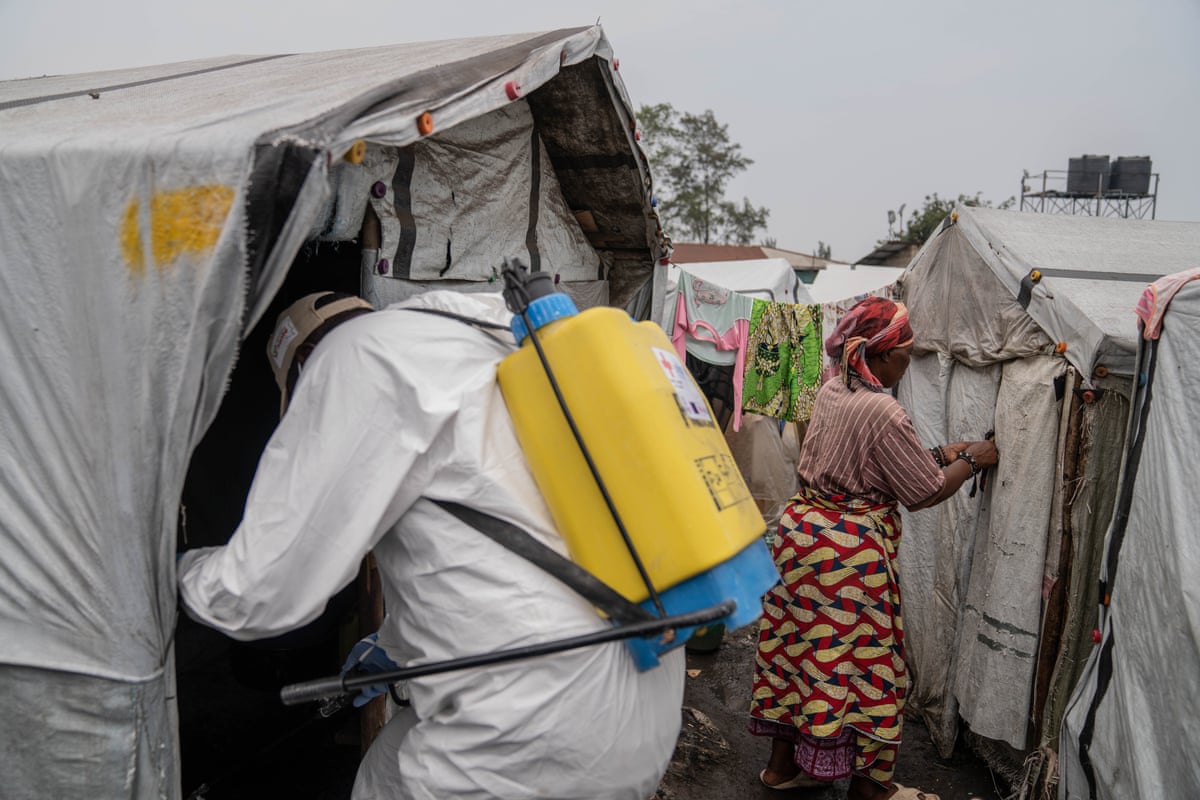
Mpox spreads by close physical contact. This makes it suitable to spread in a variety of different contexts, such as in close sexual networks, as was seen during the 2022 global pandemic, or areas where many people are living closely together such as settings with refugees and internally displaced people, as was seen in the DRC outbreak over the last few years.
What became of the previous two major outbreaks?
The 2022 outbreak received public health emergency designation in July of that year. Following intensive contact-tracing efforts and mass vaccination campaigns, this status was rescinded in May 2023 after approximately 90,000 infections had been recorded.
The 2024 outbreak saw its international public health emergency status downgraded, not because the disease had vanished but because case numbers and mortality figures were declining and authorities judged the situation sufficiently controlled. If genetic analysis reveals a novel variant, or if surveillance data indicates an outbreak is accelerating, spreading with unusual severity, or proving more lethal, global health authorities would likely intervene once more.

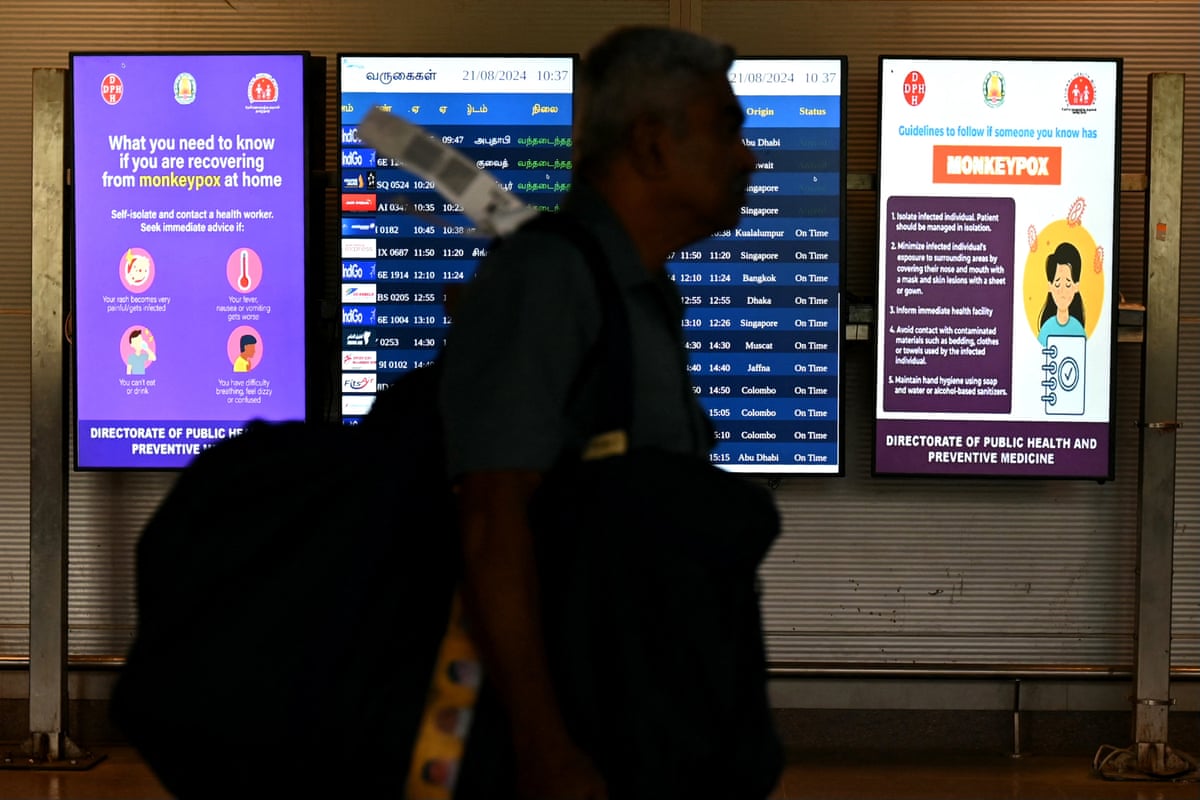
How serious is the Guinea-Bissau outbreak?
Guinea-Bissau had never documented mpox cases prior to this outbreak, making it a significant epidemiological development. The concerning aspect centres on the disease's impact on children. UNICEF warned that the outbreak is especially concerning because half of the suspected cases are children and the country is ill-prepared.
Dr Aula Abbara, a senior lecturer at Imperial College London and adviser to Médecins Sans Frontières UK, outlined the clinical significance:
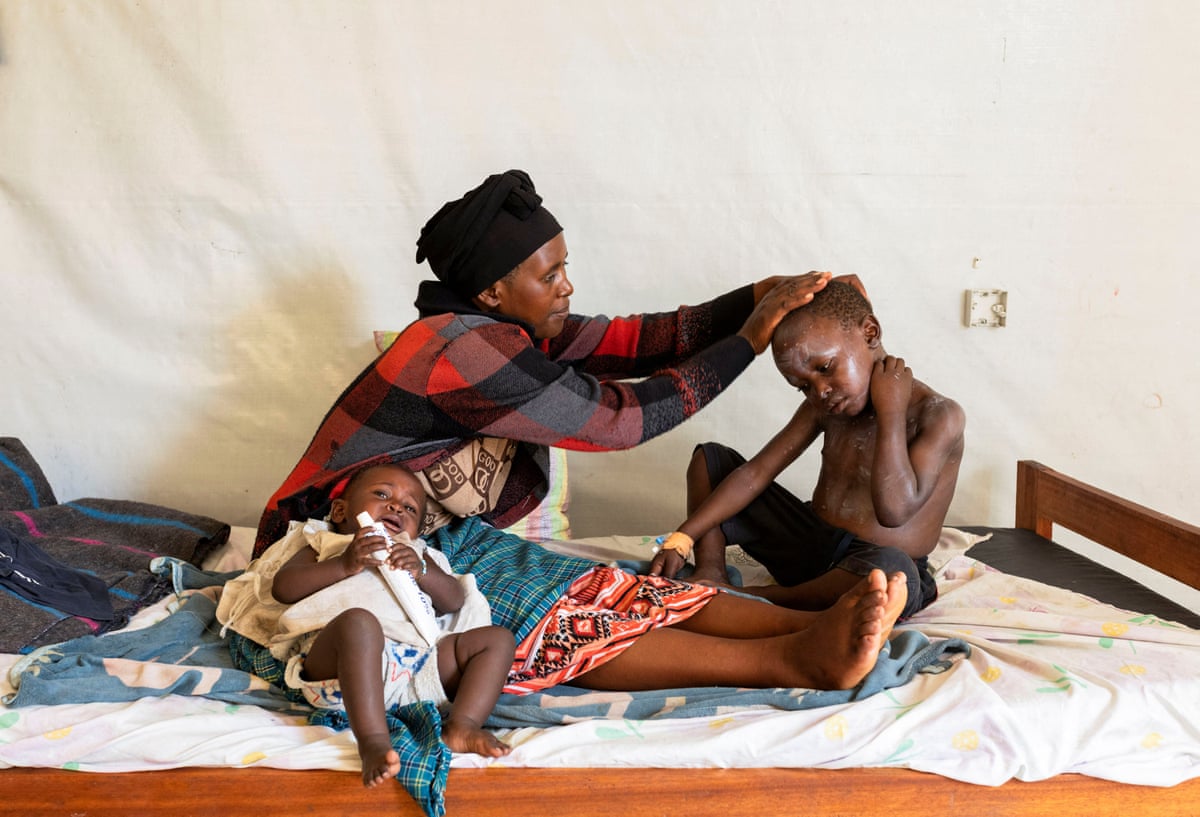
The concern about children is that they are at the highest risk of severe disease and death from mpox. Young children can become much sicker than healthy adults.
However, Abbara cautioned against over-interpreting the apparent concentration of cases among children.
There may also be some bias in the data. Families are often more likely to seek healthcare for a sick child than for an adult, particularly in a resource-constrained setting with a fragile health system, such as Guinea-Bissau.
Marks added contextual factors that elevate transmission risk:
Children have close physical contact with their parents and with each other, and in settings such as Guinea-Bissau are often living in cramped conditions, which make close physical contact and transmission more likely.
The absence of epidemiological links between confirmed cases suggests the virus is circulating more extensively within the broader community, indicating the presence of unidentified infections beyond those formally documented.
What vaccines and treatments are available?
The World Health Organization has endorsed vaccines that can be administered to individuals at elevated risk or offered to people who have had contact with confirmed cases to prevent onward transmission. The critical constraint involves vaccine availability and distribution.
Marks identified the central obstacle:
The major challenge remains that supplies of vaccines are best in high-income countries but worst in low-income settings, where the need and conditions for mpox transmission are highest.
A new global vaccine stockpile is being established within weeks, which should enable faster vaccine deployment to contain emerging outbreaks. Officials anticipate this arrangement will allow manufacturers to forecast demand more accurately and increase production capacity by providing clear, predictable orders.
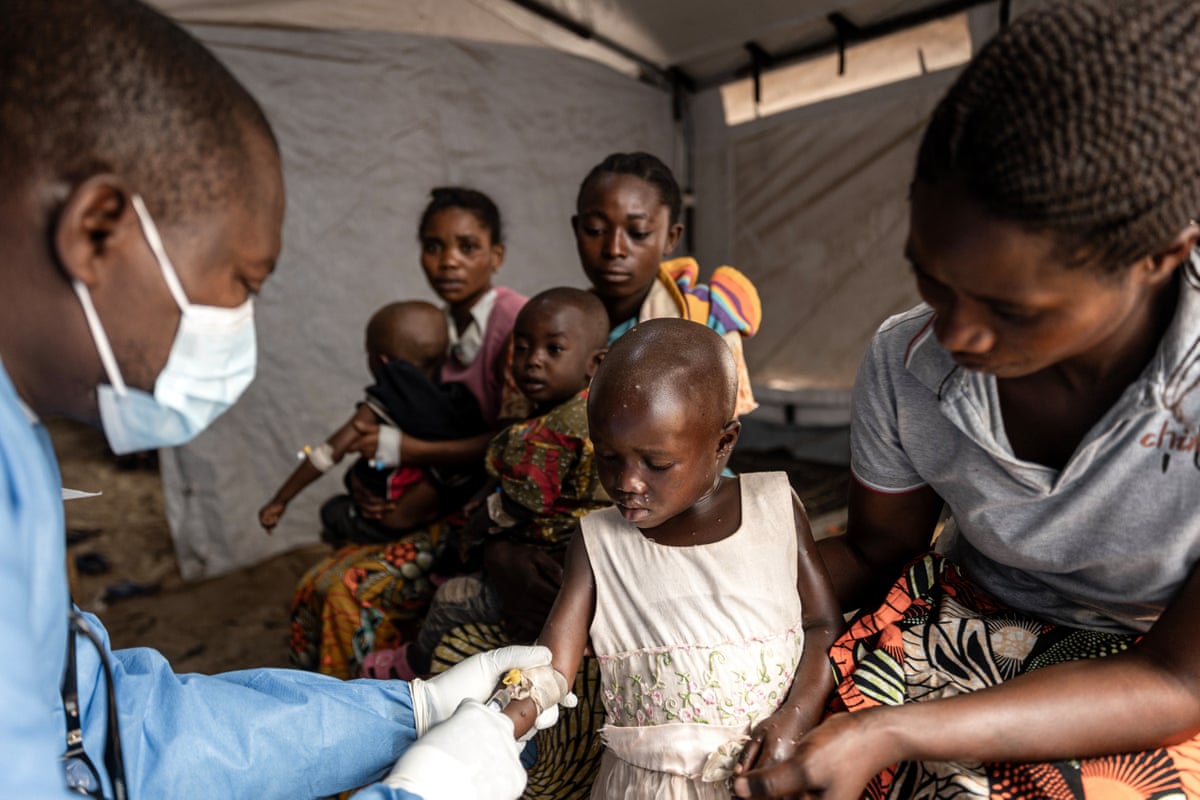
An antiviral medication called tecovirimat demonstrated limited effectiveness when tested on patients with mpox clade I in the Democratic Republic of the Congo, though questions persist regarding potential benefits for immunocompromised populations such as people living with HIV. The trial did establish, however, that comprehensive supportive care substantially enhanced patient survival prospects.
While vaccines remain a cornerstone of outbreak control, basic supportive care can prove lifesaving. Abbara stressed the importance of comprehensive public health measures:
Vaccines are important, but outbreaks are not controlled by vaccines alone. Early detection, contact tracing, supportive care and strong public health surveillance remain absolutely essential.
What happens next?
Guinea-Bissau's schools are scheduled to reopen next month, a development that UNICEF warned could accelerate disease spread given the concentration of cases among young children and the close contact environments that schools provide. This timing creates an urgent window for implementing containment measures before the school term begins.
The international response continues under the framework established by the World Health Organization's August 2024 emergency declaration. Strengthening surveillance systems, expanding testing capacity, conducting thorough contact tracing, and reinforcing broader public health infrastructure remain critical priorities for understanding transmission patterns and containing the outbreak before it becomes entrenched in new populations.