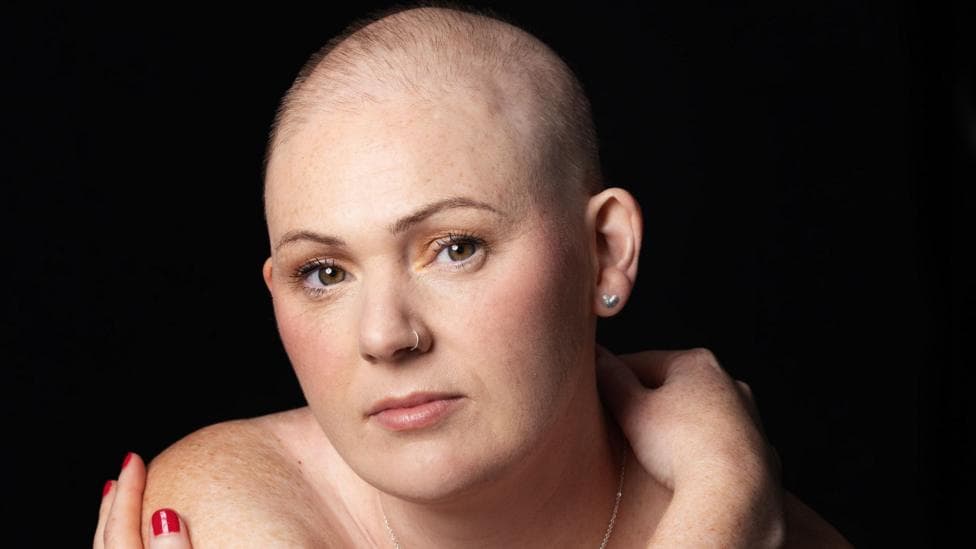
Mothers recovering from caesarean sections across Wales are describing a lack of postnatal support as the proportion of babies delivered via this major surgical procedure reaches its highest level on record. In 2025, 42% of births in Wales occurred by caesarean section, with just over half classified as emergency procedures, according to the latest official data. Women who have undergone the operation report feeling abandoned after discharge from hospital, with many struggling to understand their own recovery while simultaneously caring for newborns.
A caesarean section is a surgical procedure in which a baby is delivered through an incision made in the mother's abdomen and uterus. The operation may be planned in advance or performed as an emergency if vaginal delivery is deemed unsafe. Some women also elect to have a caesarean for reasons unrelated to medical necessity.
The rise in caesarean deliveries represents a significant shift in Welsh maternity care. According to Senedd research, the proportion of caesarean deliveries in Wales has increased by 12% since 2016. Welsh government analysis shows that spontaneous vaginal births fell from 63% in 2016 to 54% in 2023, while caesarean births rose to 35.2% in 2024, comprising 19.8% unplanned caesareans and 15.4% planned procedures. This transformation in birth patterns has placed new demands on maternity services that have not kept pace with the changing landscape.
What support do mothers receive after discharge?
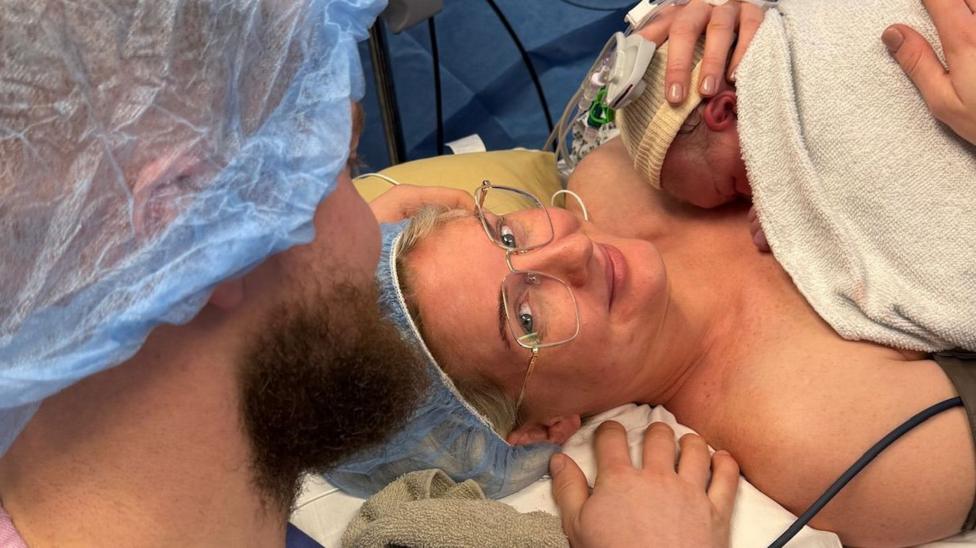
Women who have had caesarean sections report feeling abandoned once they leave hospital, with many describing a lack of guidance about what normal recovery should look like. Carys Louise Brandon, a 29-year-old content creator from Swansea, underwent an emergency caesarean to deliver her first child in 2022 and found herself completely unprepared for the aftermath of major abdominal surgery.
I think I was thrown in at the deep end and I really didn't know how to deal with it,Carys explained. It took almost three weeks before she felt physically capable of leaving her house, and even then she managed only a short walk to the end of her street and back.
Carys has since had two additional caesareans, and while she praised the hospital care and support from her community midwife during those later deliveries, she found herself facing the same problem once she returned home.
You're thrown so into the deep end and there's no sort of, 'Oh, this is how your scar should look. This is quite normal for this sort of time'.She recalled an incident in which she removed her wound dressing and fainted in the shower, uncertain whether her recovery was progressing normally.
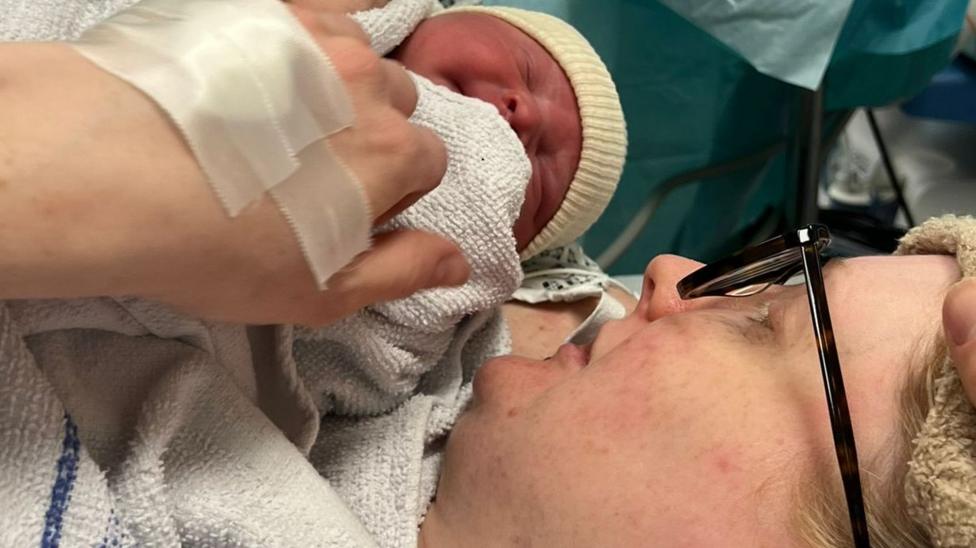
I didn't know – should my scar be recovering in a certain way, should I really be feeling like this? There's just no support around the fact that after it, you're looking after a baby and recovering from major surgery, and everyone's recovery looks totally different.
Carys has since shared her experiences online to help other women navigate their own recovery, and she regularly receives messages from expectant mothers seeking advice.
I wish I'd had more stories that I could read to be a bit more informed before I gave birth that way.
What happened to mothers separated from their babies?
For some mothers, the emotional toll of caesarean recovery is compounded when their newborns require specialist care immediately after birth. Ceri Ann Roberts, 29, from Gwynedd, underwent an emergency caesarean to deliver her second child last year, only to have her daughter taken to neonatal intensive care because she was not breathing properly.
Left alone on the recovery ward and unable to move independently, Ceri Ann was desperate to see her newborn but was told no staff member was available to accompany her.
I just wanted to see my baby but I couldn't, and the staff told me there was no one available to take me up to see her.Seven hours elapsed before she held her daughter for the first time, and that reunion only happened when her husband returned to the hospital and took her to the neonatal unit himself.
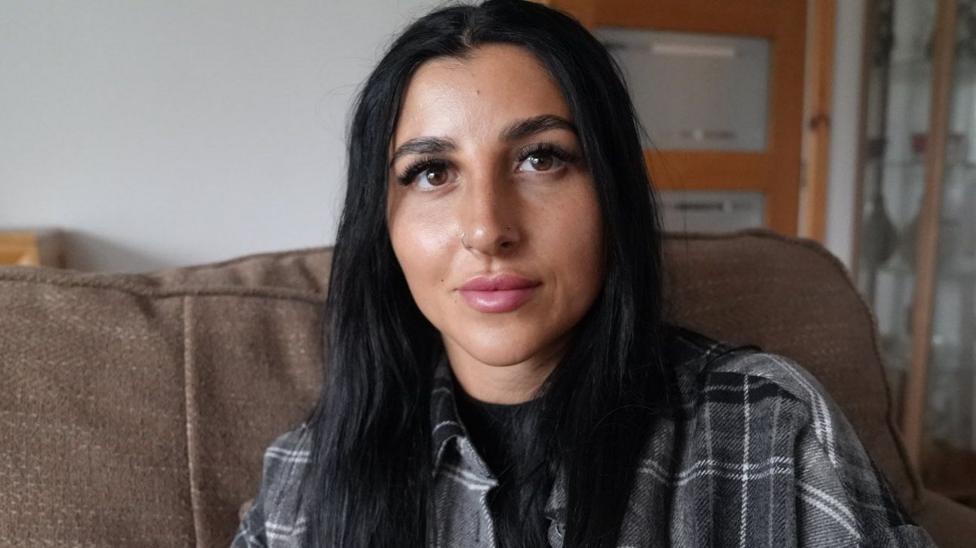
It was awful, I just cried and cried,Ceri Ann said of the experience. She described feeling traumatised by the care she received at Ysbyty Gwynedd.
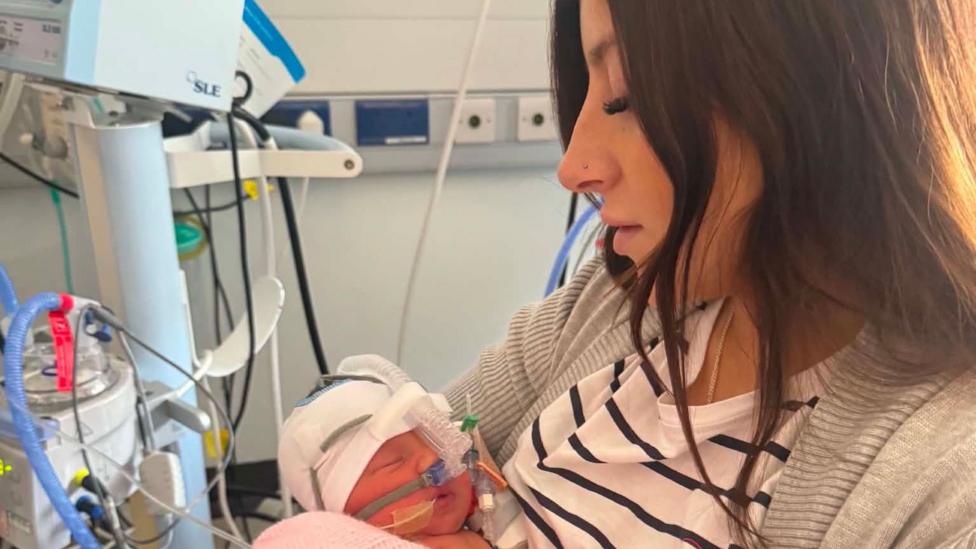
Betsi Cadwaladr University Health Board responded by stating that while it could not discuss individual cases, mothers recovering from caesareans whose babies are in special care receive support from midwives who provide updates on their infant's condition and help arrange visits as soon as it is medically safe to do so. The health board acknowledged that separation from a baby following birth can be distressing and said its teams work to enable contact
at the earliest safe opportunity.

Why are midwives unable to provide adequate support?
Nicola Rous-Morgan, a pregnancy and postnatal yoga teacher and trained midwife who works with women recovering after childbirth, regularly hears from mothers who feel abandoned by the system.
I think one of the biggest take-homes is they felt that once they had been discharged from hospital, upon coming home, that they were just left to get on with it.
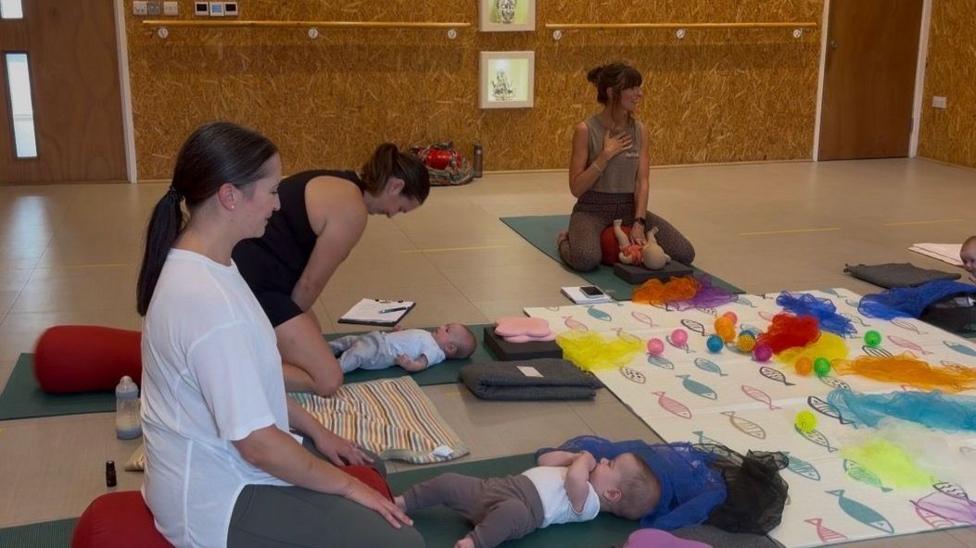
Rous-Morgan identified a fundamental gap in how postnatal care is structured.
The focus is on women who are recovering from vaginal delivery. It's not geared towards women who are recovering from major abdominal surgery.She argued that women should not need to pay for private services or search social media for basic recovery information.
These things shouldn't be things that women have to pay for privately. What happens to the women that can't afford that luxury?
Staffing shortages are a primary factor limiting the care available to mothers. Julie Richards, director of the Royal College of Midwives in Wales, explained that midwives are stretched across services and this pressure directly affects postnatal care in community settings.
Our midwives are stretched, and quite often that is often impacted into the postnatal care, into the community settings.
The Royal College of Midwives surveyed its members in Wales in July, and 94% of respondents reported they were unable to provide the standard of care they would wish to deliver. The organisation noted that midwives are working additional shifts and being redeployed to cover staffing gaps elsewhere in maternity services. Richards emphasised that
what we may not have had is the developments in maternity care to respond to the change in landscape for maternity services.
A Welsh government report published in February highlighted the rapid increase in caesarean sections and inductions, noting that the consequences for women, their families and the NHS had not been properly evaluated. The report raised concerns about staffing and support across maternity services and identified postnatal care as inadequately staffed and supported. The Welsh government has committed to a three-year programme of improvements, but the Royal College of Midwives said maternity services have not kept pace with the changing picture.
What does postnatal care after caesarean section involve?
According to the Royal College of Midwives, postnatal care for women who have had caesarean sections should include support with pain management, wound care and surgical recovery, alongside assistance with feeding and caring for a new baby. The NHS states that most women can return home one or two days after a caesarean, though recovery is typically slower than after vaginal birth. According to NHS guidance in Wales, the first postnatal midwife visit should occur within 36 hours after transfer of care or after a home birth.
The rise in caesarean deliveries has created new demands on maternity services. According to Welsh government analysis, caesarean surgical site infections rose to 4.69% per 100 procedures in the final quarter of 2024, highlighting the importance of proper wound care and monitoring during recovery.
What is the Welsh government's response?
The Welsh government stated that every woman should receive high-quality postnatal care tailored to her individual needs. A government spokesperson said:
Maternity teams provide postnatal assessment, advice and support following birth, and where required, women can be referred to specialist services including obstetric physiotherapy. Referrals are determined by individual clinical need to ensure women receive the most appropriate care to support their recovery and wellbeing.
The spokesperson added:
Recovery after birth matters, and where women tell us they have not felt listened to, supported or involved in decisions about their care, we expect services to learn from that feedback and act on it.
The Welsh government has identified adequate postnatal care, including post-surgical care after caesarean birth, as a core component that must be included in workforce planning and staffing calculations across maternity services.
What happens next?
Several policy reviews are scheduled that may affect how postnatal care is delivered in Wales. The Powys postnatal care guideline is scheduled for review in December 2026, which may lead to changes in local Welsh postnatal-care practice. Additionally, the WISDOM Cwm Taf Morgannwg maternity documents list a "Postnatal Care, Enhanced/High risk" policy with a review date of August 2027, suggesting that enhanced postnatal support protocols may be revisited in the coming months.
The Royal College of Midwives said more investment and a comprehensive workforce plan are needed to address the gap between current service provision and the demands created by rising caesarean rates. Until staffing levels increase and postnatal care protocols are redesigned to account for the needs of women recovering from major abdominal surgery, mothers will continue to report feeling unsupported during a critical period of physical and emotional recovery.
Key Facts
- In 2025, 42% of babies in Wales were born by caesarean section, the highest rate on record, with just over half being emergency procedures
- Caesarean deliveries in Wales have increased by 12% since 2016, while spontaneous vaginal births fell from 63% to 54% during the same period
- 94% of midwives surveyed by the Royal College of Midwives in Wales reported being unable to provide the standard of care they would wish to deliver
- Caesarean surgical site infections rose to 4.69% per 100 procedures in the final quarter of 2024
- Mothers report feeling abandoned after hospital discharge, with inadequate guidance on wound care, pain management and recovery expectations following major abdominal surgery