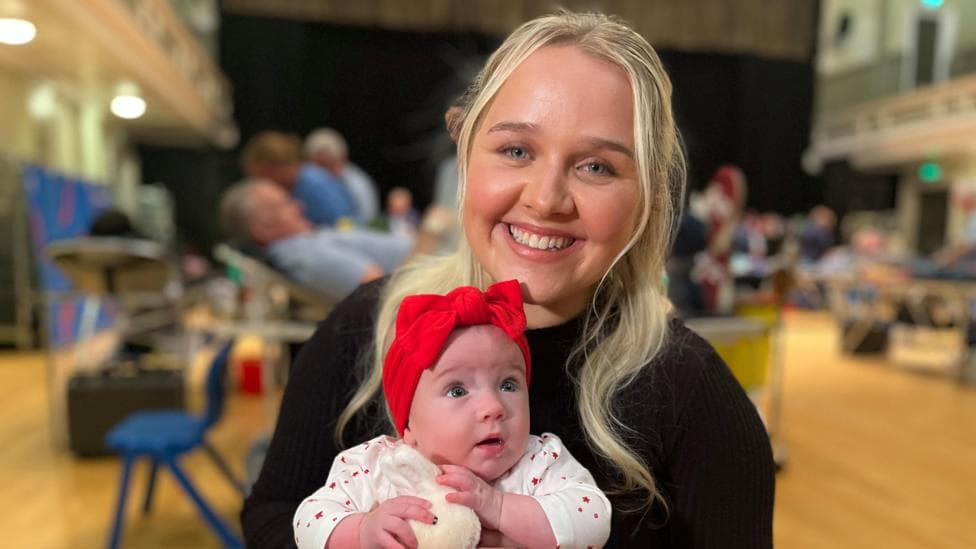
Caitlyn Stewart is calling for increased blood donations after her daughter Millie's life was saved by transfusions during a prolonged stay in hospital care. Millie was born severely premature at 28 weeks in February, weighing just 1lb 8oz (670g), and spent 10 weeks in neonatal intensive care at the Queen Elizabeth University Hospital in Glasgow, where she received two 23 millilitre blood transfusions. The case highlights an urgent need for donors as the Scottish National Blood Transfusion Service (SNBTS) faces declining stocks during the autumn months.
How a tiny transfusion made a dramatic difference
Millie's first transfusion came at just four days old. Caitlyn described the moment she noticed her daughter needed help:
During the pregnancy we had a lot of bad news and were planning a baby funeral the week before she came. So the minute she was born, it was a sigh of relief. But on day three we noticed she was quite lethargic and her skin was really pale - almost translucent - so the nurses mentioned she might need a transfusion to help her.
The first-time mother had never encountered such a situation before.
I had never heard of babies needing blood transfusions so it sounded really scary and daunting - but a family next to us reassured us.The impact of that small volume of blood—just three tablespoons—was immediate and striking. The night following the procedure, Caitlyn witnessed a remarkable transformation in her daughter's condition.
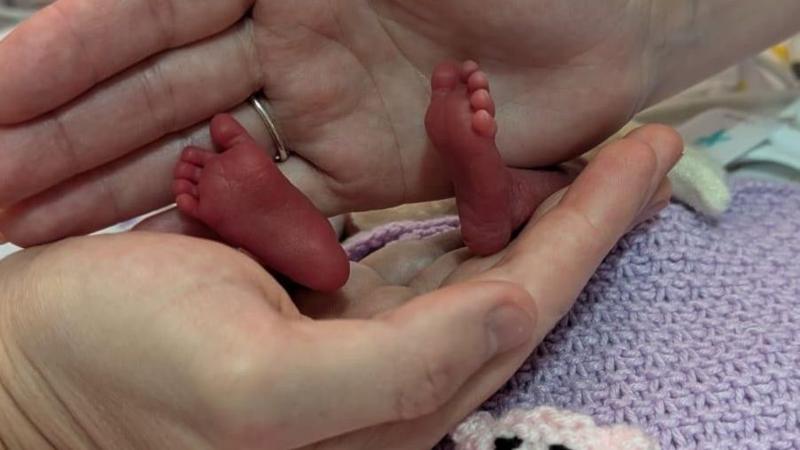
Her skin was the clearest change we could see. She looked like a wee cherry tomato, it was red again. Her energy lifted and she was able to start on milk - the difference was incredible.Millie's colour returned to normal, her lethargy lifted, and she became capable of beginning milk feeds—changes that signalled her body was receiving the oxygen-carrying capacity it desperately needed.
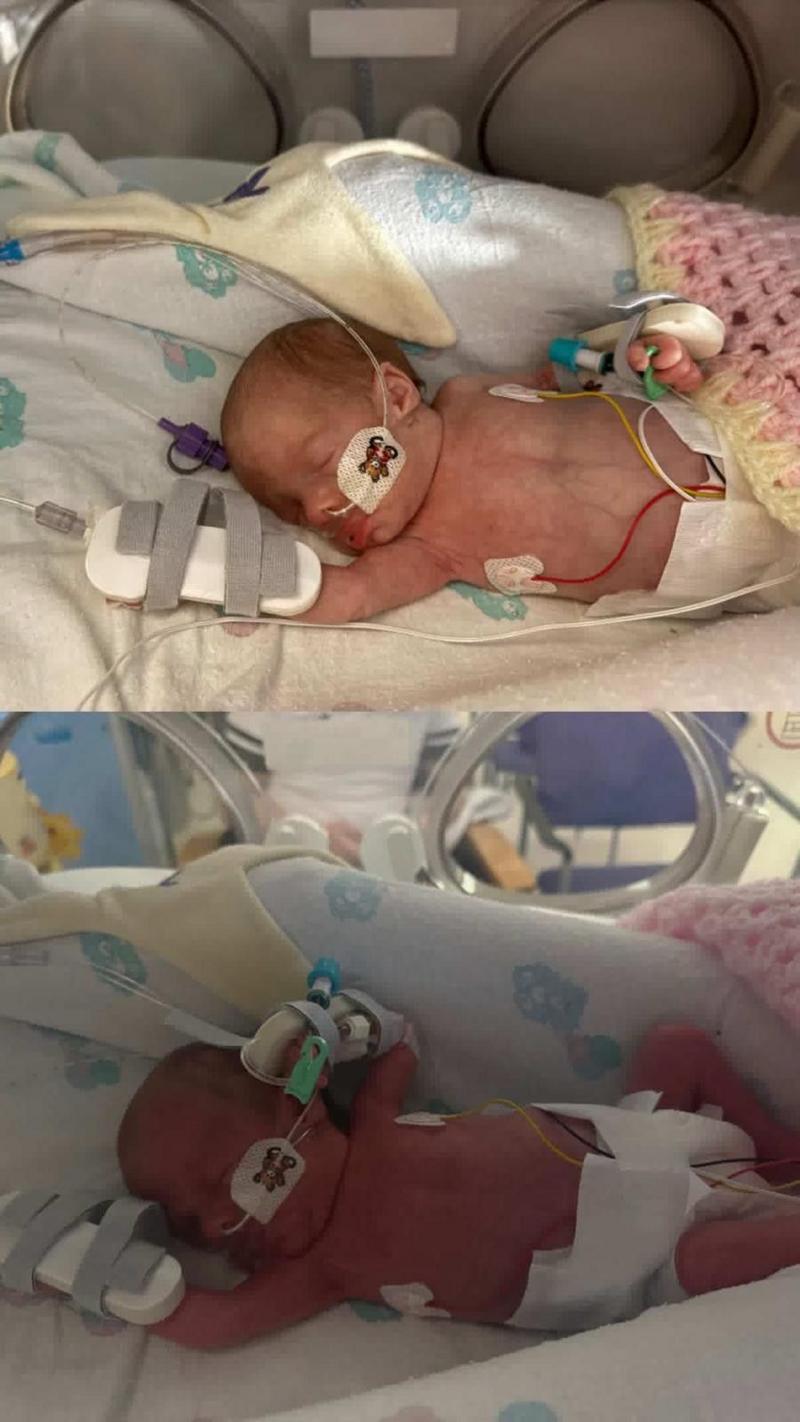
In March, when Millie was several weeks older, she required a second transfusion. Caitlyn explained the medical necessity behind this second procedure:
It truly saved her life. If Millie never had access to the transfusion, her body would have started to shut down. Her organs were good and she was healthy, but she just didn't have enough blood and her iron levels were dropping.This second intervention proved equally vital to her survival and continued development.
Why blood supplies are under strain
The SNBTS is now facing a critical shortage that threatens the ability to help other families in situations similar to Millie's. According to recent reporting on blood stock levels, four blood groups have fallen below desired levels: O positive, O negative, A positive and B negative. The situation has become so pressing that SNBTS has been contacting donors directly, advertising across Scotland and reaching out to people who have not yet donated in 2026.
The autumn period presents particular challenges for blood collection. Debbie McNaughton from SNBTS outlined the converging pressures:
Autumn is traditionally a challenging time for the blood supply, with seasonal illnesses, the new academic term and darker evenings meaning fewer donors are coming forward. A spike in demand for one or more blood groups, combined with fewer donors coming forward, means we have been in a declining stock position for several months. This means it is important donors come forward now, and in the coming weeks.
The scale of the challenge is substantial. Hospitals across Scotland require approximately 450 donations every day to meet patient needs. Yet fewer than 2% of people in Scotland regularly give blood, leaving the service heavily dependent on a small proportion of the population. According to data from SNBTS, there are 90,280 blood donors in Scotland, with half donating only once a year despite being eligible to give every 12 weeks.
The urgency is underscored by the biological reality of blood storage. Blood has a shelf life of just 35 days, meaning stocks must be continuously replenished to maintain supply. As of 7 October, SNBTS stock figures showed O negative at three days' supply and O positive at four days, against a target of six days for each blood type—a significant shortfall that leaves little margin for unexpected demand spikes.
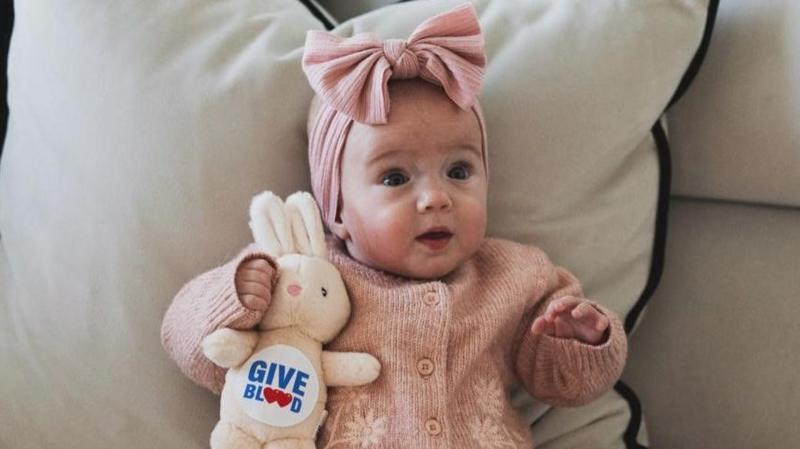
How to become a blood donor
Prospective donors can begin giving blood from age 17 and are encouraged to donate three times per year to help maintain adequate supplies. Donor centres operate in Aberdeen, Dundee, Edinburgh, Glasgow and Inverness. Appointments can be booked through the SNBTS website at www.scotblood.co.uk or by calling 0345 90 90 999.
Caitlyn's message to potential donors is rooted in her lived experience. She thanked those who had already given blood, recognising that their contribution directly enabled her daughter's survival. With Millie now almost eight months old and thriving, her mother's advocacy for increased donations carries the weight of genuine gratitude and understanding of what is at stake for families facing similar medical crises.
Key facts
- Millie was born at 28 weeks, weighing 1lb 8oz (670g), and received two blood transfusions during her 10-week hospital stay
- Fewer than 2% of Scotland's population regularly donate blood, yet hospitals need 450 donations daily
- Blood has a shelf life of 35 days, requiring continuous replenishment of stocks
- Four blood groups are currently below desired levels: O positive, O negative, A positive and B negative
- Donors can give blood from age 17 and are eligible to donate every 12 weeks