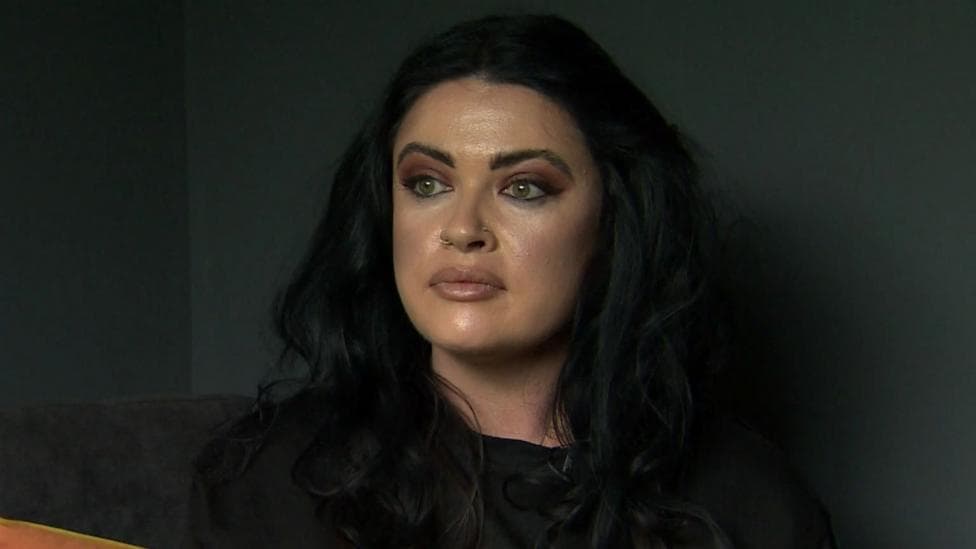
Danielle McQuillan expressed distress after her six-year-old son Zac, who has autism and severe learning disabilities, was added to the Child Protection Register (CPR). She said the decision has left her feeling "shaking" and "intimidated" and that she does not comprehend the reasoning behind the registration.
McQuillan explained that she had been actively seeking additional overnight respite care to manage Zac's complex needs while also being present for her other daughters. Zac is non-verbal, and his mother described his behaviour as extremely challenging, including removing his clothes and running away when in public spaces.
The South Eastern Health and Social Care Trust, which made the decision to register him, was approached for comment on the matter.
What is the Child Protection Register?
The CPR serves as a formal record of children identified as facing a risk of significant harm. When a child is placed on the register, social workers typically conduct unannounced home visits to observe the family's everyday routines and interactions.
According to South Eastern Health and Social Care Trust guidance, children on the register are to receive at least one face-to-face visit each month, with additional contact determined by the assessed level of risk.
Why are families with disabled children being registered?
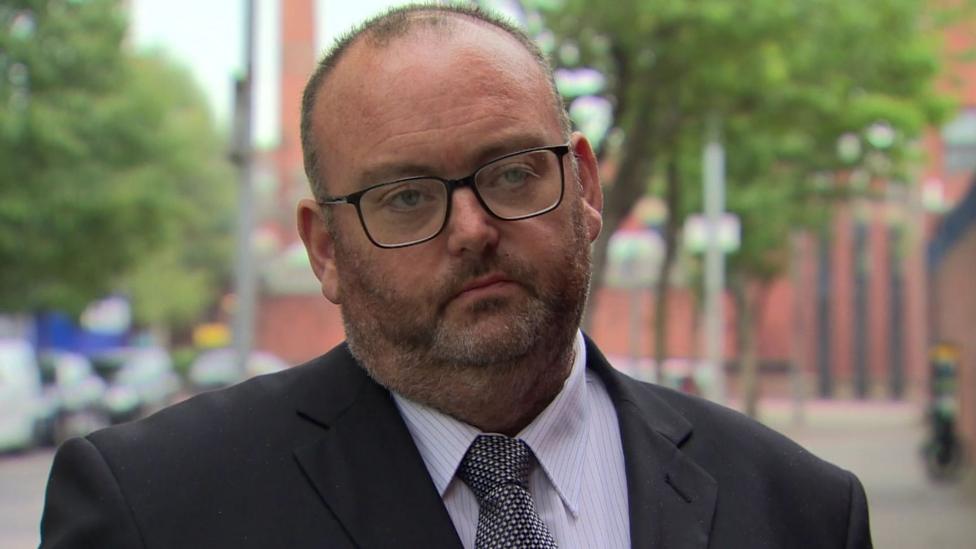
Eamonn McNally, senior lawyer at the Children's Law Centre, highlighted a troubling pattern. His organisation is increasingly observing the CPR being used in cases involving children with complex disabilities and additional needs when they are not actually at risk.
We have a number of families with significant needs who are under extreme pressure they're at burn out because of a lack of service and support. That shouldn't equate to a registration on the child protection register that should equal support being put in place to keep that family together.
McNally suggested that the register is being applied in circumstances where families require practical assistance rather than child protection intervention. The Children's Law Centre has called for a comprehensive review of the process, describing it as "out of date and not fit for purpose".
How did McQuillan's case reach the register?
McQuillan recounted a difficult interaction with a social worker regarding her request for overnight respite support. She said the worker responded to her request by stating "we can't parent your child more than we already do", a remark that deeply upset her.

I've been trying to get some overnight respite as I want to be a mum to my girls as well as Zac. I had a disagreement with a social worker about getting a break and they said 'we can't parent your child more than we already do'. That really hit a nerve with me as someone who works very hard to be a good parent.
The following day, two social workers arrived at her home to inform her that a child safeguarding conference would be held to consider placing Zac on the CPR.
A child safeguarding conference is convened when a child is deemed to be at risk of significant harm. The conference typically brings together representatives from social services, medical professionals, schools and other relevant agencies to share information, identify potential risks and determine protective measures.
The conference involved 17 health and education professionals, each of whom was asked to vote on whether Zac should be registered. The decision was made to place him on the register. McNally from the Children's Law Centre attended the meeting as McQuillan's representative.
What impact has registration had on the family?
McQuillan described the emotional toll of the registration. She said the unannounced visits from social workers have intensified her anxiety and stress levels.
It has meant the social workers have turned up unannounced at my home. I just feel like I'm being watched for a reason that I don't know.
On one occasion, she took Zac to McDonald's and returned home to find two social workers parked outside her residence. She described the experience as deeply unsettling.
I was shaking, I felt so intimidated. I think it's because there isn't a proper reason as to why he's been put on it they're almost trying to find a reason now which is why they're turning up.
McNally observed that families placed on the register often experience what they perceive as an overreach by social services. He explained that the presence of officials conducting home inspections does not benefit the family and instead diminishes the time parents have available to spend with their children.
What support exists for families like McQuillan's?
The South Eastern Health and Social Care Trust operates a dedicated Children's Disability Team and provides carer-support services for families of children with autism and learning disabilities. However, McQuillan's experience suggests that accessing respite care remains challenging for families navigating the system.
The broader context of respite care provision has become increasingly strained. Families across the region have expressed concerns about the availability and sustainability of respite services, with some facilities operating below capacity while facing financial pressures.
Key Facts
- Zac, a six-year-old non-verbal boy with autism and severe learning disabilities, was placed on the Child Protection Register following a safeguarding conference attended by 17 professionals
- His mother sought overnight respite care to manage his complex needs and support her other children, not due to concerns about his safety
- The Children's Law Centre reports an increasing pattern of the CPR being used for children with disabilities and additional needs when they face no actual risk of harm
- Families on the register experience unannounced home visits, with at least monthly face-to-face contact required by trust policy
- Legal representatives argue the register is being misused as a substitute for providing practical support to families under strain