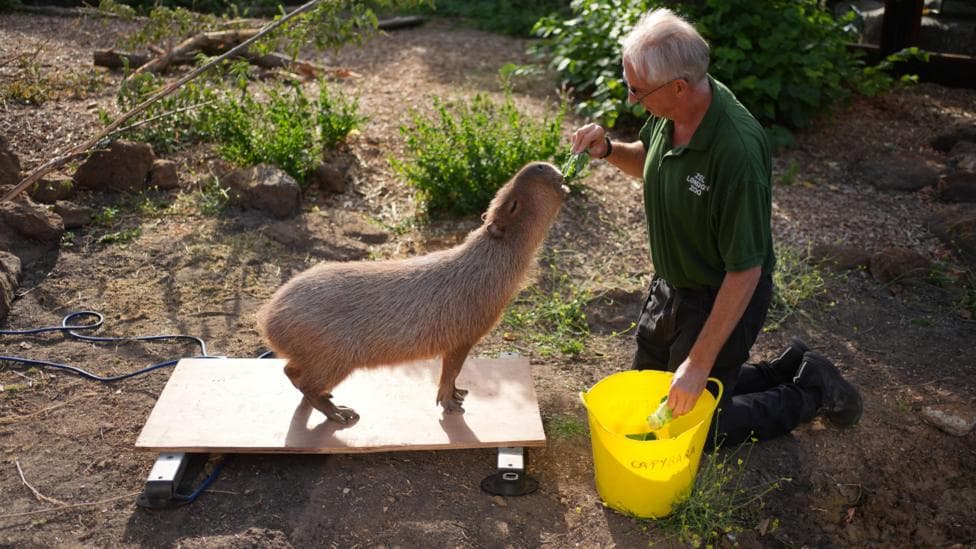
London Zoo is conducting its annual weigh-in, a comprehensive health and welfare assessment involving thousands of the facility's animals. The event, which began on 24 August 2026, will continue for up to a week as zookeepers systematically measure creatures ranging from tiny invertebrates to large mammals. Data collected during the process is uploaded to a global database used by conservation professionals worldwide.
Zookeepers face the challenge of coaxing every bird, reptile, fish and mammal onto the weighing scales. Some animals have been trained to perch voluntarily on the equipment while staff record measurements, but others require encouragement through strategic food rewards. According to reporting on the event, staff even use a curry-scented measuring stick to encourage tigers to stretch out during the process.
All measurements are entered into the Zoological Information Management System (ZIMS), a shared global database that enables animal carers and conservationists to compare vital information on thousands of endangered species. London Zoo reports that this data sharing helps zoos around the world improve animal care standards and supports international conservation efforts.
Why does the zoo conduct regular weigh-ins?
Regular measurements help zookeepers monitor the health and wellbeing of individual animals and identify important changes in their condition. Daniel Simmonds, London Zoo's animal operations manager, explained the significance of the process:
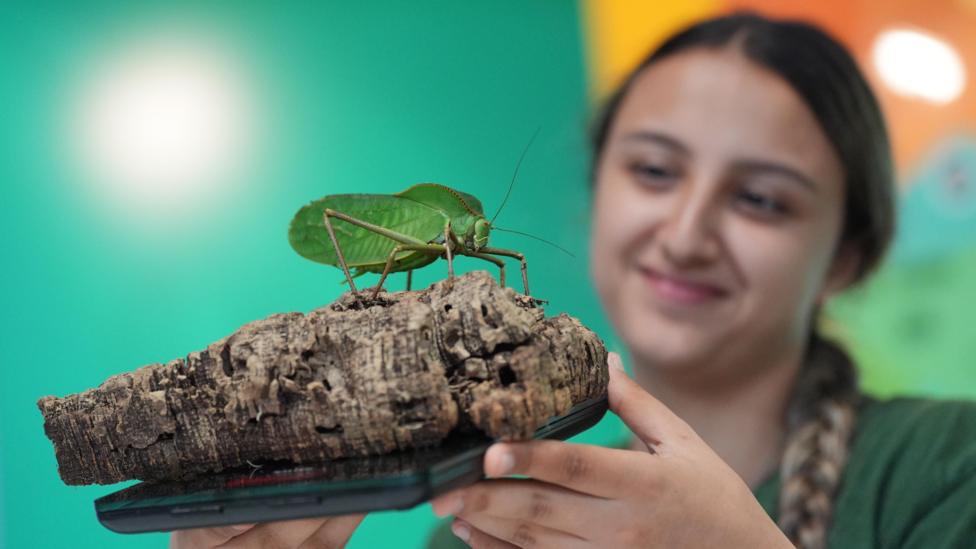
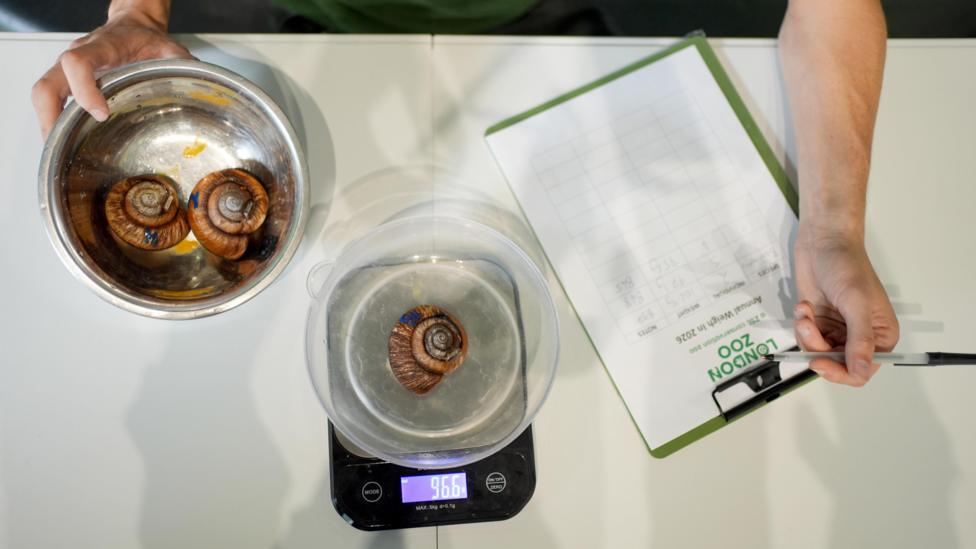
Regular weigh-ins help zookeepers track the health of our animals, including invertebrates like the magnolia land snails, the capybaras and Humboldt penguins, and genuinely help us manage the care of these animals, who play a vital role in our global conservation efforts.
The measurements serve multiple purposes beyond simple health monitoring. The weigh-in helps track growth in young animals, identify pregnancies and verify year-round records, ensuring that the zoo maintains accurate documentation of its collection.

Which animals are being weighed this year?
Among the creatures measured during this year's weigh-in were capybara siblings Kiwi and Gizmo. Kiwi, the female, weighed in at 45 kilograms, while her brother Gizmo recorded a weight of 50.5 kilograms. At the other end of the scale, Giant Magnolia Land Snail No. 2 tipped the scales at just 102.5 grams.
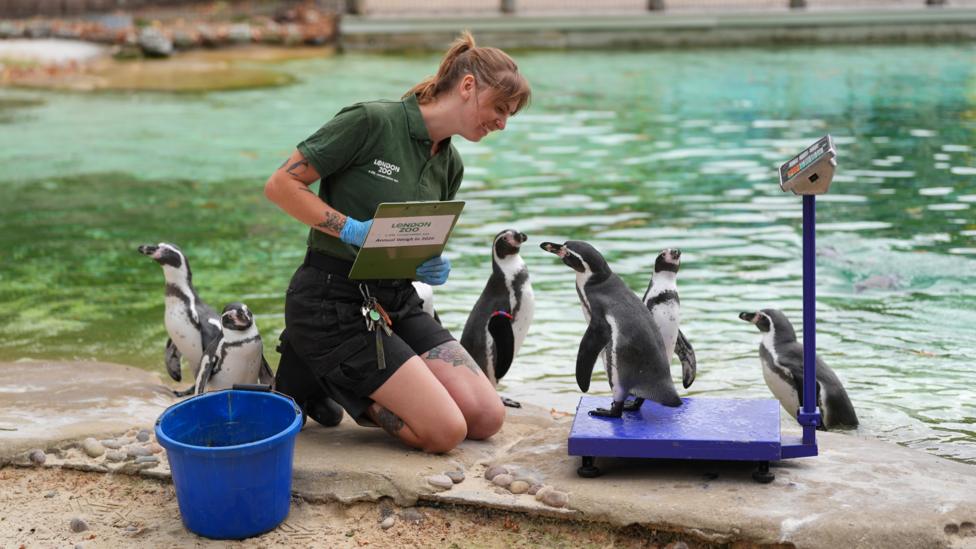
The zoo also weighed Humboldt penguins, a species classified as vulnerable in the wild. These birds face significant threats including climate change, overfishing and habitat disturbance in their native range.
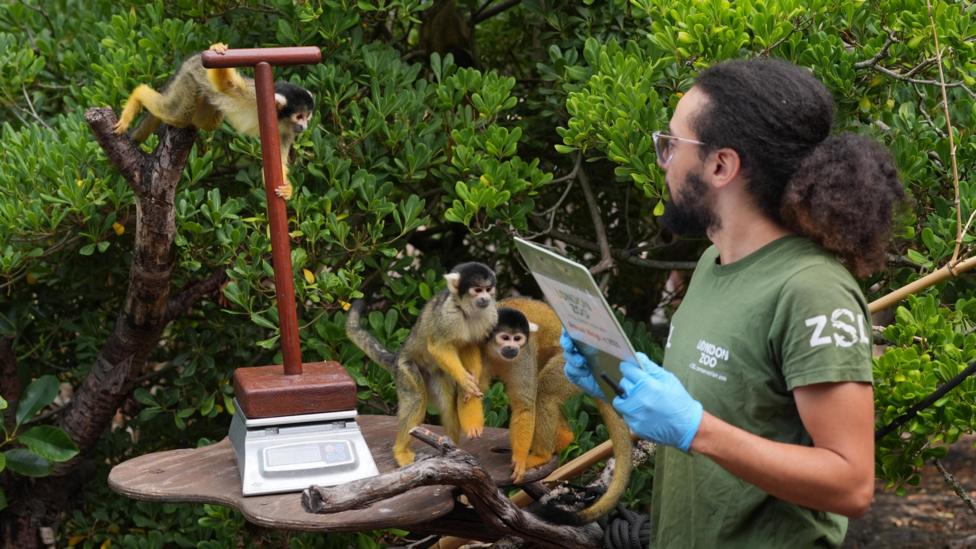
Other species included in the assessment were Bolivian black-capped squirrel monkeys, which are native to Bolivia, Brazil and Peru, and Vietnamese magnolia snails.
How many animals are involved in the process?
London Zoo houses more than 14,000 animals in total, but the scale of this year's weigh-in is significantly larger than initially reported. While earlier statements suggested approximately 400 creatures would be measured, more recent reporting indicates that the zoo is weighing and measuring more than 10,000 animals as part of its annual health and welfare check. This comprehensive approach ensures that the vast majority of the collection receives proper monitoring.
What happens next?
The weigh-in process is expected to continue over several days as zookeepers work systematically through the animal collection. Ring-tailed lemurs were scheduled to step onto the scales as the event progressed, with the entire operation anticipated to take up to a week to complete.
Key Facts
- London Zoo's annual weigh-in began on 24 August 2026 and will continue for up to a week
- More than 10,000 animals are being measured as part of the health and welfare assessment
- All data is uploaded to ZIMS, a global database shared by zoos worldwide to support conservation efforts
- Capybara Kiwi weighed 45kg and her brother Gizmo 50.5kg during this year's measurements
- The process helps zookeepers track growth, identify pregnancies and maintain accurate year-round records