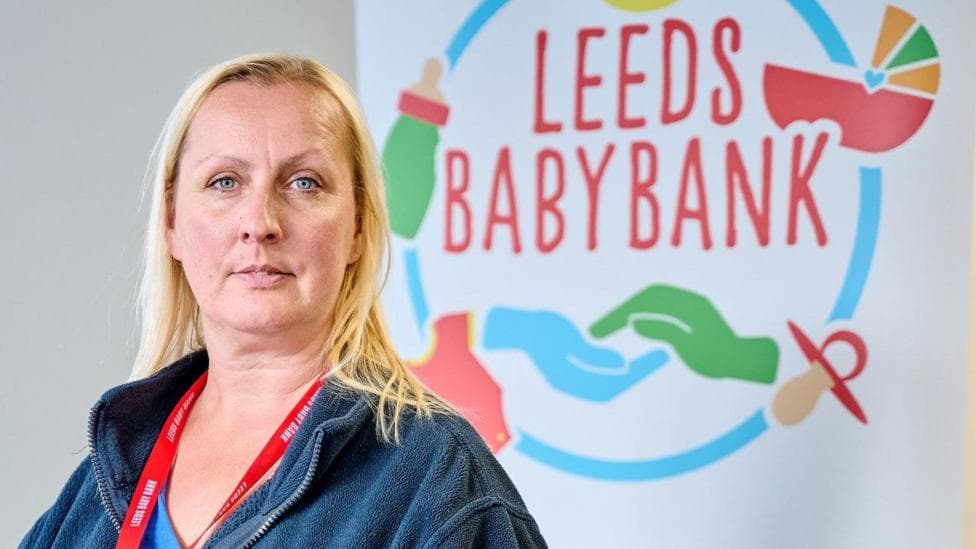
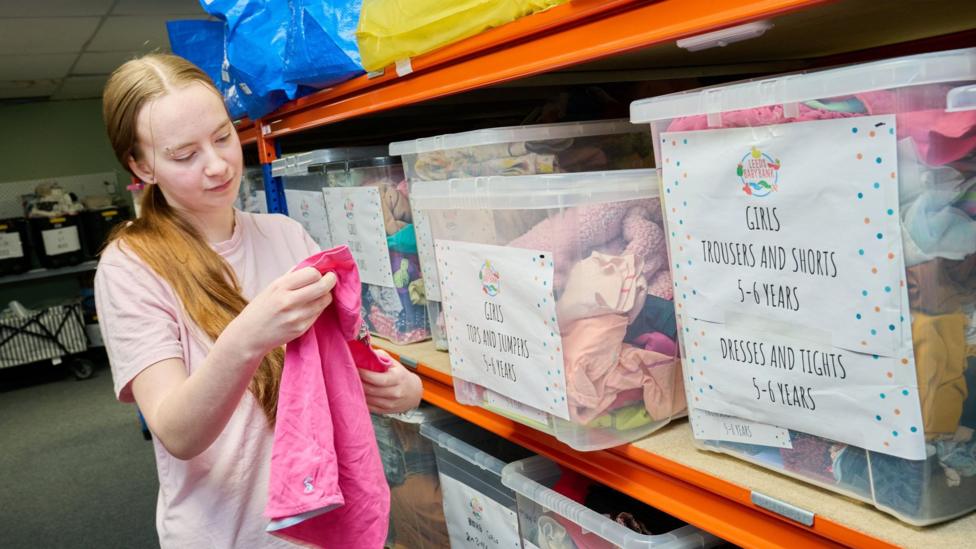
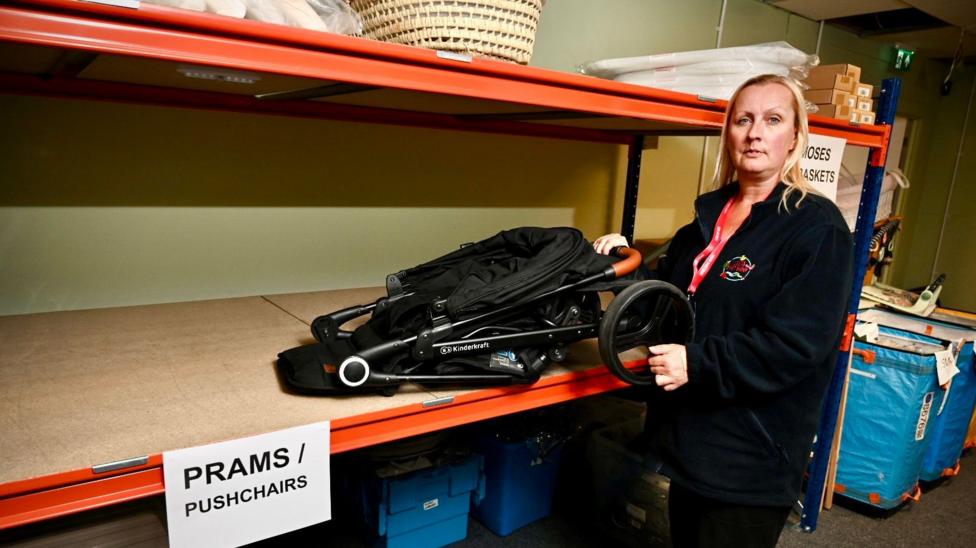
Chantal Nogbou established Leeds Baby Bank in 2017 and the organisation will celebrate a decade of operation in January 2027. The founder of this charity, which distributes essential items including Moses baskets, prams, nappies and clothing to families facing financial hardship across Leeds, has warned that the organisation urgently requires increased donations to meet rapidly growing demand.
Since the start of June 2026, the charity has supported an
"unprecedented"550 families in Leeds, according to Nogbou. She highlighted that referrals from health and social care professionals have increased substantially in recent months, with numbers expected to climb further as winter approaches.
"We get even more people needing help then because they want to put the heating on, but they still need to buy nappies and feed and clothe their child,"she explained.
How has child poverty changed in Leeds?
The composition of families seeking assistance has shifted dramatically since the charity's inception. When Leeds Baby Bank launched before the Covid-19 pandemic, approximately one in five children in the city lived in relative poverty.
"Now, you're looking at one in two children in some parts, and that's just a shocking number that really shouldn't be happening,"Nogbou said. According to government statistics, 27% of children in the Yorkshire and Humber region lived in relative low income families—the joint highest proportion in the country alongside the West Midlands. A relative low income family is defined as one living on less than 60% of the median national household income for that year.
Nogbou noted that approximately 70% of the children the charity assists have at least one parent in employment. Many working families are
"not managing to manage the bills with energy and fuel prices going up,"she said. This pattern reflects broader trends across the country, where baby banks in other regions report growing numbers of employed parents seeking help with essential childcare costs as the cost of living crisis continues to stretch household budgets.
Why are operational costs rising for the charity?
The surge in referrals has created financial pressures for the organisation, compounded by its recent relocation. The charity moved from a city centre office to a larger, more accessible building in Armley to expand its service capacity.
"All that has cost money and obviously bills for us have also gone up when it comes to the utilities, so it's definitely a scary thing as a charity,"Nogbou said. According to the charity's fundraising information, £200 can help equip a family with a cot, pram or highchair, and £500 or more can support multiple families in crisis.

The organisation's relocation aligns with broader municipal support frameworks. Leeds City Council's child poverty strategy, refreshed in 2024, specifically includes food banks, clothing banks and baby banks in its support framework, recognising their role in addressing material deprivation among vulnerable families.
How do small donations make a difference?
Nogbou emphasised the cumulative impact of modest financial contributions from the community.
"It's the people that, instead of buying a coffee every day, set up a direct debit and send £5 to Leeds Baby Bank every month,"she said.
"That £5 can buy something like a brand new mattress for a Moses basket."She stressed that many donors underestimate how far small amounts can stretch when channelled through the charity's purchasing power and partnerships.
The charity's sustainability depends on consistent community support through both monetary donations and contributed items. Nogbou credited the generosity of local donors with keeping the organisation operational through periods of increased demand and rising costs.
What is the broader context for baby banks?
Leeds Baby Bank's experience reflects a nationwide pattern. Similar organisations across the country are reporting unprecedented demand. Baby banks in Bedford report demand for support rising faster than donations amid ongoing cost-of-living challenges, assisting over 2,000 families in 2025 with essential baby items. The sector has expanded significantly as families struggle with the intersection of childcare costs, energy price increases and stagnant wages.
What happens next?
Leeds Baby Bank operates Monday to Friday from 9:00am to 3:30pm, allowing donations and referrals to continue throughout the working week. The organisation's next major fundraising event is the Leeds Abbey Dash, scheduled for 29 November 2026. As the charity approaches its tenth anniversary in January 2027, it continues to appeal for support to meet the escalating needs of families across the city.
Key Facts:
- Leeds Baby Bank has supported 550 families since June 2026, with numbers expected to rise through winter
- Approximately 70% of families assisted have at least one parent in employment
- 27% of children in Yorkshire and Humber live in relative low income families, the joint highest proportion nationally
- The charity relocated to a larger premises in Armley to expand service capacity
- Small monthly donations—such as £5—can provide essential items like Moses basket mattresses