Jersey has opened a pilot health screening service for women with polyendocrine metabolic ovarian syndrome (PMOS), a metabolic condition affecting up to one in eight women that alters ovarian function and is associated with infertility and weight gain. The new clinic, which will operate from the Assisted Reproductive Unit in St Brelade from October 2026, has been welcomed as progress by health advocates, though campaigners say further support remains necessary.
The condition was renamed from PCOS (polycystic ovary syndrome) in May 2026 to better reflect its status as a whole-body disorder. The UK's National Institute for Health and Care Excellence published draft guidance for PMOS treatment on 1 July 2026, marking the first national NHS guidance for the condition. The draft guidance addresses common PMOS-related problems including acne, hirsutism and obstructive sleep apnoea, and recommends an annual review for diagnosed patients.
Jersey's government described the new service as a screening rather than treatment clinic, designed to help women already diagnosed with PMOS access further support for the condition and associated health concerns such as type 2 diabetes. Women must first obtain a referral from their GP to access the service. The government confirmed that the hospital-based service is free and nurse-led, operating as a "one-stop" facility that may include ultrasound scans and endometrial biopsies when clinically indicated.
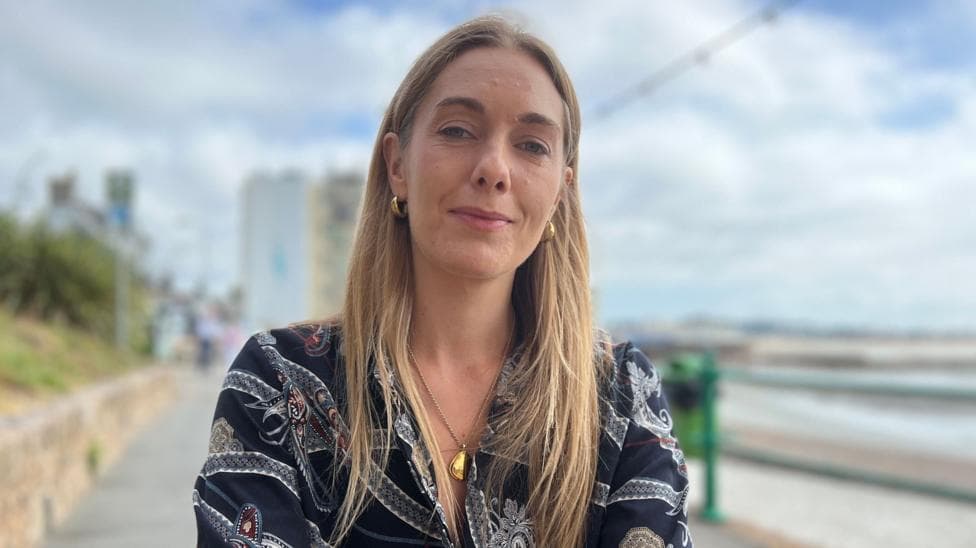
Jessica Pinel, chair of PMOS Jersey, described the clinic as aligned with emerging best practice but emphasised that more work lies ahead. Pinel was diagnosed with PMOS in 2023 after spending over £3,100 on private treatment and has become an advocate for improved access to care.
We need to realise that cost may be a barrier to people getting support, even if the cost is going to their GP. But I think we do have to be grateful that we have had this service approved.
Pinel highlighted how the clinic's integration into the government health system enables referrals across multiple specialties including endocrinology and dermatology, potentially reducing costs for women requiring specialist input.
Because the clinic is part of the government health system, it allows for referrals to be made into different pathways like endocrinology, dermatology, so it could actually allow for better support and reduce costs for women with PMOS.
What will the screening service involve?
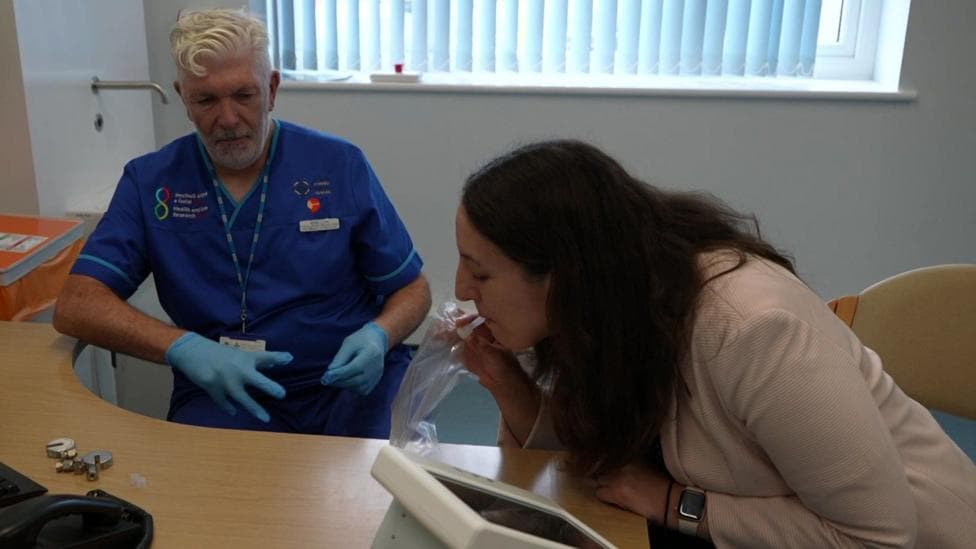
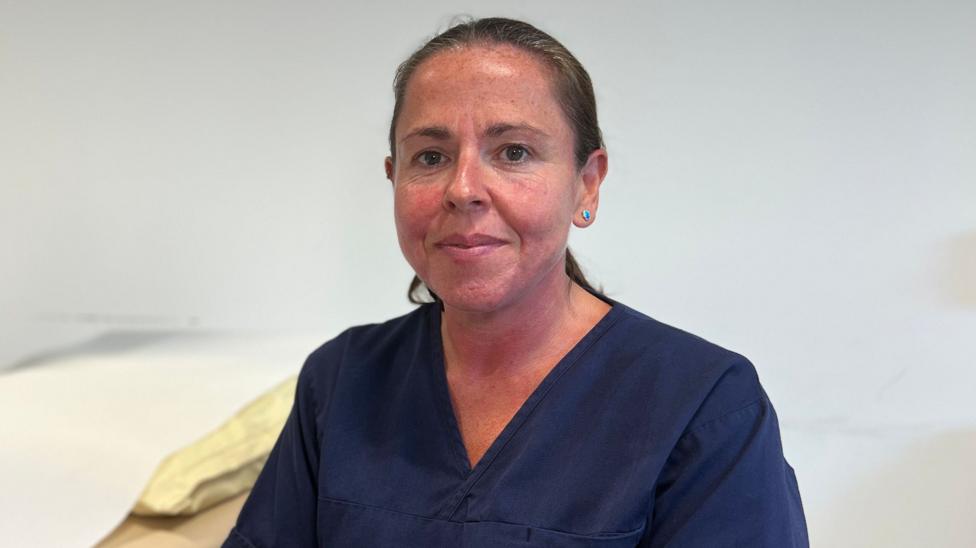
Screening clinic nurse Corrinne Purdy explained that reviews will take a comprehensive, holistic approach to women's health. The assessments will examine medication effectiveness, emotional wellbeing, and physical measurements including height and weight. Nurses will also enquire about sleep quality, symptom management, fertility intentions, and mental health status.
We will see whether they're getting on alright with their medication, how they're feeling about themselves; we will do height and weight reviews, we will ask them questions about their sleep, how they're managing their condition. We will also speak to them about any particular fertility aspirations and how they're getting with their mental health as well.
Purdy noted that PMOS has been systematically overlooked in healthcare provision, with many women receiving a diagnosis but no structured follow-up support.
Women have been diagnosed and then not really had any sort of follow-ups... just been left to manage - whereas, actually, a lot of women struggle, particularly with some of the symptoms that come alongside it.
She emphasised the condition's complexity and prevalence, noting that its manifestations vary significantly between individuals.

PMOS is... a broad thing, and it can affect women in many different ways, and it's quite common as well, maybe more common than people think.
How does this fit into broader PMOS guidance?
Jersey's new service aligns with emerging international standards for PMOS management. The NICE draft guidance identifies PMOS as linked with type 2 diabetes, cardiovascular disease, sleep apnoea, fatty liver disease, mental health problems and pregnancy complications, underscoring the need for coordinated, multidisciplinary care. The guidance applies to people aged 10 and over with suspected or confirmed PMOS and their families.
Pinel welcomed the clinic's alignment with draft NICE recommendations and expressed optimism about improved outcomes for newly diagnosed women.
I think it's great to see things moving forward and, for women who are newly diagnosed, there's going to be a more joined-up approach and we're now taking the long-term health consequences of PMOS more seriously.
She added that the clinic's success would depend on gathering feedback from service users and translating that into improved practice.
The aim of the clinic was to listen to feedback of women using the service and to feed back to the practitioners to make sure that we are optimising the support for people with PMOS and they're getting the best possible service they can.
What does the government say about the service?
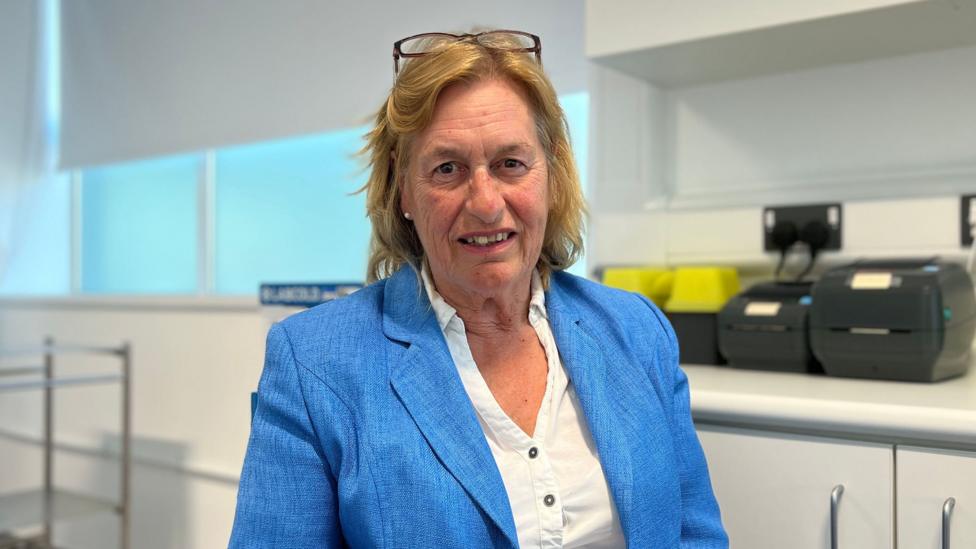
Assistant Minister for Health and Social Services Andy Howell stated that many women have endured prolonged suffering with PMOS and that the new clinic signals a shift in how the condition is treated within the health system.
A lot of women have been suffering with PMOS and it was hoped the new trial clinic would show that we're taking them seriously and they're not going to be dismissed.
Howell acknowledged historical failures in listening to women's health concerns and framed the clinic as addressing that gap.
This is great that women will have somewhere to come to and perhaps have a bit more time with a specialist nurse who they can talk to.
The government confirmed that funding for the clinic would be absorbed within existing health budgets, with no additional cost to the public purse. The Health Department was allocated £381 million to spend in 2026 as part of the government's budget allocation for 2026–2029.
Officials stated that women requiring specialist management for symptoms such as heavy menstrual bleeding, fertility concerns, or other gynaecological conditions would be referred to appropriate specialist services. The government added that existing waiting lists for gynaecology or surgical capacity would not be affected, as additional clinical capacity had been identified to support the new screening service.
What happens next?
Jersey's screening service is scheduled to launch in autumn 2026 at the Assisted Reproductive Unit in St Brelade. The service will operate as a nurse-led screening facility rather than a diagnostic or treatment centre, with referrals managed through GP gatekeeping.
At the national level, NICE's consultation on its draft PMOS guidance closed on 11 August 2026. The health watchdog is expected to publish its final PMOS guideline on 9 December 2026, which will provide comprehensive recommendations for NHS treatment and management of the condition across the UK.
Key Facts
- PMOS affects up to one in eight women and was renamed from PCOS in May 2026 to better reflect its whole-body nature.
- Jersey's new screening clinic will offer free, nurse-led assessments including ultrasound scans and endometrial biopsies, with referrals available to multiple specialties.
- The service aligns with draft NICE guidance recommending annual health reviews for women with PMOS, with final UK recommendations expected on 9 December 2026.
- Women must obtain a GP referral to access the service, which launches in October 2026 at the Assisted Reproductive Unit in St Brelade.
- The clinic will operate within existing health budgets with no additional cost to the government.