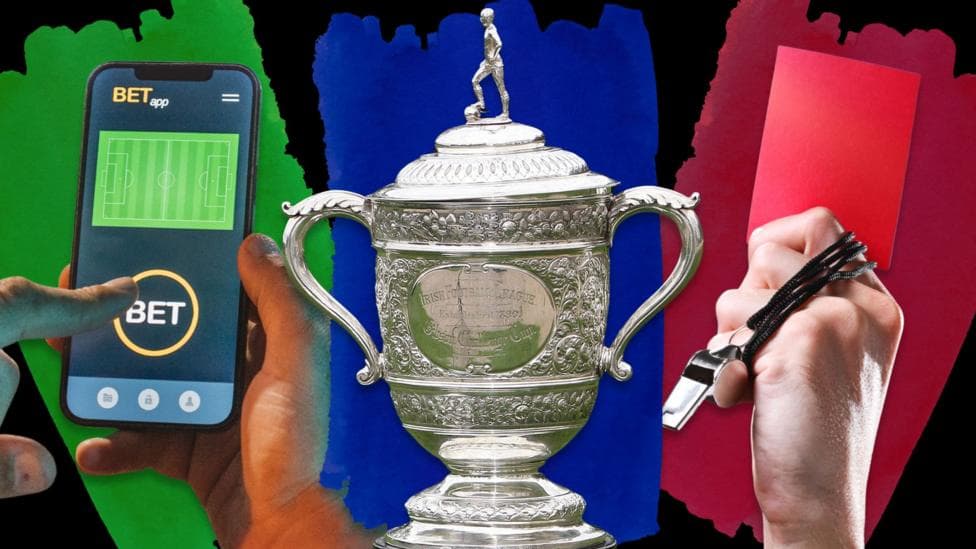
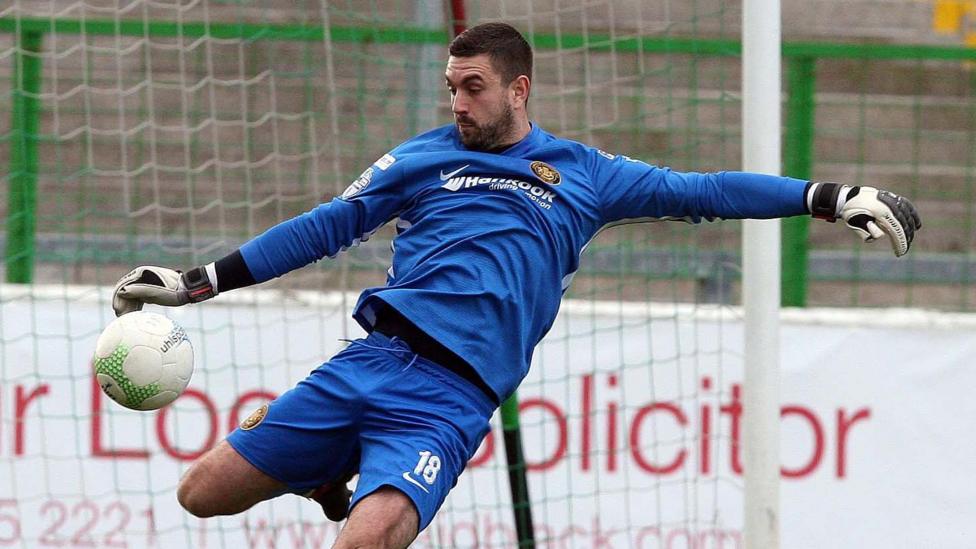
Aaron Hogg spent two decades as a goalkeeper in the Irish League before confronting an addiction that nearly destroyed his life. What began as a social outing to betting shops with teammates during his teenage years spiraled into a cycle of mounting debt, fractured relationships and severe depression. Now, eight years after placing his final bet, Hogg stands at the centre of a new initiative designed to support players wrestling with similar struggles through the player-led Gambling Support Group, which launched a confidential SMS support service for players and staff across Northern Ireland Football League grounds.
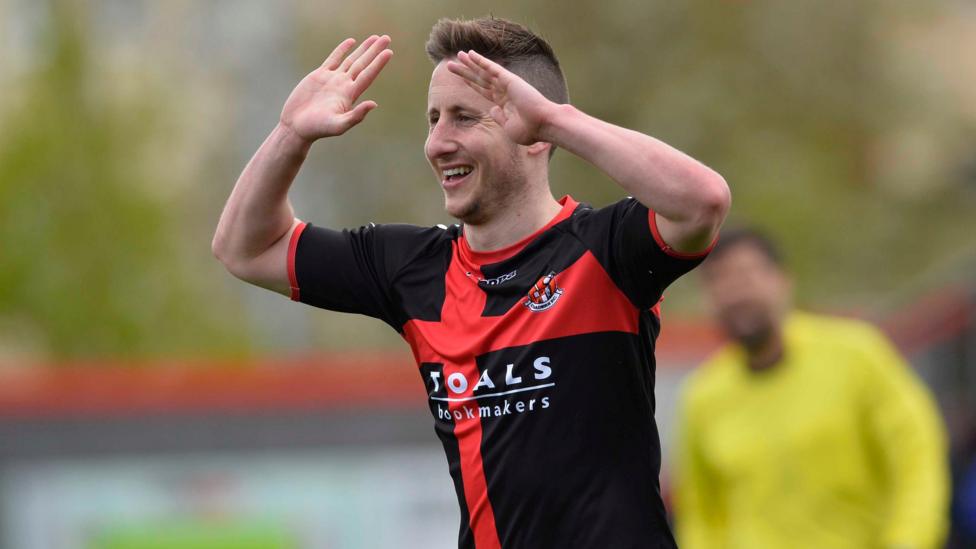
The emergence of this support mechanism arrives at a pivotal moment for the Irish League. The men's and women's Irish Premiership, along with the two League Cups and a regional tournament, have all secured sponsorship deals with betting companies this season. Three clubs—Glentoran, Cliftonville and Crusaders—now carry betting company logos on their front-of-shirt sponsorships, while Linfield displays one on their sleeve and champions Larne on their shirt backs. The new league partnership with a bookmaker means betting company branding will appear on player sleeves, sponsor boards, player-of-the-match trophies and league social media platforms. This expansion of gambling visibility in professional football raises fundamental questions about the sport's relationship with an industry that has demonstrably harmed many of its participants.
From Social Betting to Progressive Addiction
Hogg's journey into gambling began innocuously enough. As a teenager, he visited betting shops with teammates, treating it as a recreational activity alongside fruit machines and pool. When he joined Crusaders in men's football, the practice became routine—visiting bookmakers before matches alongside other players. His exposure then expanded to horse racing and roulette, and the consequences accelerated rapidly.
Gambling's a progressive illness,Hogg explained.
You don't just start off by doing a bet and then all of a sudden you lose your house.
During matches, Hogg found temporary relief from his mounting problems.
It was brilliant because my head was completely concentrated on that game and everything else went away, I was at peace for 90 minutes.Yet this respite proved illusory.
But then I walked back into the dressing room, and as soon as you sit back down your world comes back down on top of you.The pattern became self-reinforcing: rather than confronting his difficulties, Hogg sought escape through further gambling.
As a gambler, you don't deal with any of your problems. You shy away from everybody, and you try and get more and more money to gamble and dig yourself deeper and deeper in the hole.
How Has Gambling Culture Embedded Itself in Dressing Rooms?
The normalisation of gambling within football environments has created an atmosphere where addiction can flourish undetected. Michael Carvill, head of the Professional Footballers' Association in Northern Ireland, observed this dynamic throughout his 15-year career at the top of the Irish League.
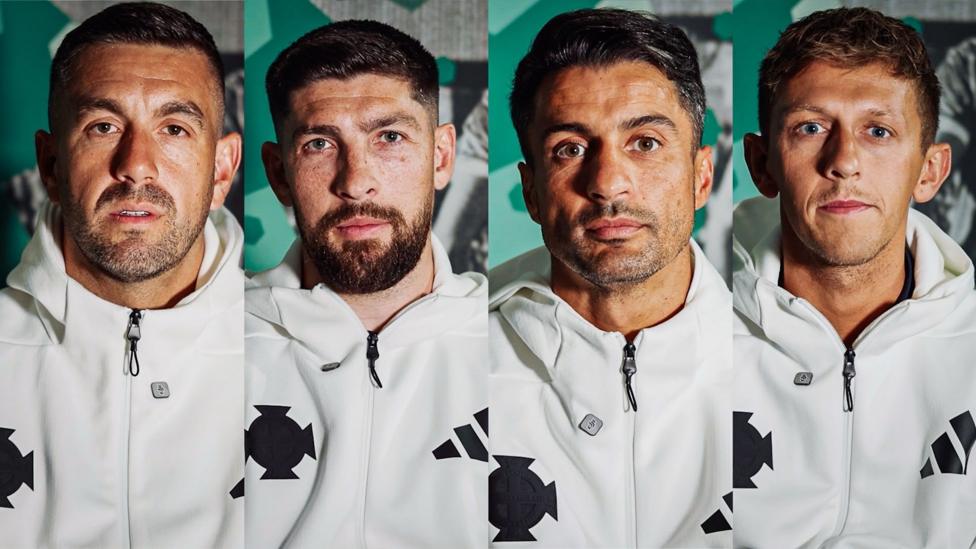
I sat beside Matthew for seven years and I never knew he had an issue,Carvill said of his former Crusaders teammate Matthew Snoddy, one of four players now involved in the Gambling Support Group alongside Hogg, Aaron Traynor and Michael Ruddy.
Carvill noted visible warning signs that went unrecognised.
You could see players' moods change whenever they checked their phones immediately after games.He reflected on the implications:
It's something that is concerning when you think you can share a changing room, train with them three nights a week and play with them and you're not aware of what's going on. It's really a wake-up call for all of us that this isn't going away. We have to set up something to try and treat it, and that's the purpose of this project.
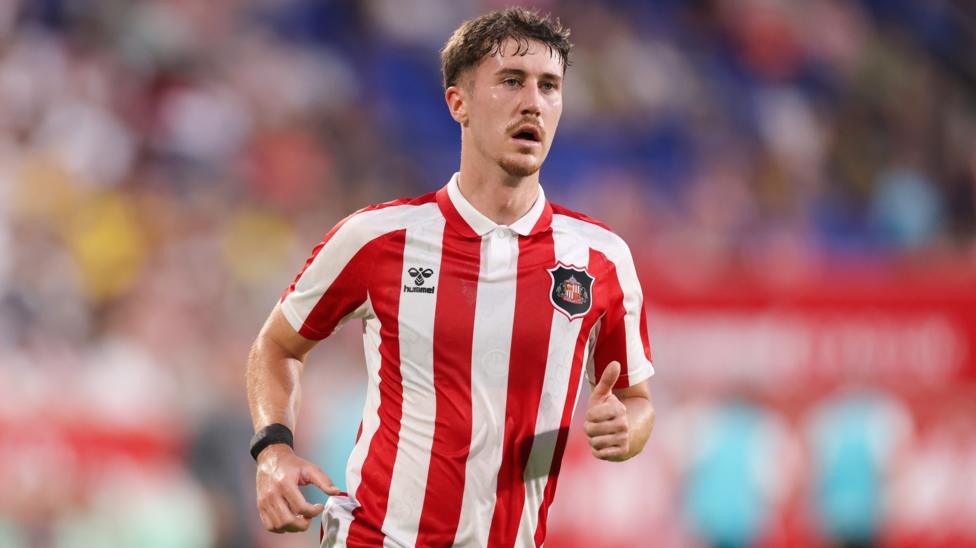
The scope of gambling-related harm extends far beyond traditional betting. Carvill highlighted how the industry has evolved to encompass prize websites, television competitions and gaming platforms with in-game purchases—practices now appearing even at academy level in Northern Ireland football. Across his career beginning in 2006, Hogg witnessed this transformation firsthand. The shift from physical bookmakers to smartphone-based gambling has fundamentally altered accessibility and risk.
The markets are now more advanced. It's now become, like roulette, it's almost instant,Hogg observed.
Betting habits have changed. Back then, when I started, there was more a social aspect to it. There's just so much accessibility now that it is becoming more and more prevalent to footballers.
What Regulatory Differences Exist Across the British Isles?
Regulatory frameworks governing gambling sponsorship in football vary significantly across the United Kingdom and Ireland. From the start of the current season, the English Premier League implemented a voluntary ban on betting company sponsorship on the front of player shirts, though logos remain permitted on sleeves and training kits. This restriction forced eight clubs to secure alternative front-of-shirt sponsors. The Championship in England maintains no such restrictions, and Scottish football presents a starkly different picture: the Scottish Premiership itself carries sponsorship from a betting company, while both Celtic and Rangers display betting logos on their front-of-shirt sponsorships.
The Irish Premiership operates under a less restrictive regime. Beyond the three clubs with front-of-shirt betting sponsorships and those with sleeve or back placements, the league itself has entered into a partnership with a bookmaker. According to the Northern Ireland Football League, Boyle Sports signed a three-year deal to become the title partner, covering the Premiership, Championship and Women's Premiership. The league described this as
the league's first partnership valued at more than £1m.
What Arguments Exist Against Gambling Sponsorship in Football?
Tommy Canning occupies a unique vantage point from which to assess this issue. He has coached in both the Irish League and the League of Ireland, working across men's and women's competitions. His professional role as head of treatment at Northlands Addiction Clinic, which addresses alcohol, drugs and gambling issues, provides him with clinical expertise in addiction treatment. From this dual perspective, Canning has become a vocal critic of the expanded gambling sponsorship within the Irish League.

Canning questioned whether alternative investment pathways existed.
I'm not naive and I understand that without the right sponsorship, nothing can really develop their product. But it's disappointing that somewhere in the midst of this, that the integrity doesn't take over from the investment in the product.He acknowledged the financial pressures facing football organisations:
In terms of these sponsorship deals, they are highly lucrative and that can make it difficult for organisations to turn them down. But the question that I have asked in the past, and I would ask again, is at what cost are you happy to accept these lucrative deals?
Canning emphasised the social responsibility that football clubs carry within their communities.
I think football clubs have a huge role socially and at a community level within the island of Ireland, and they have a responsibility to maintain some levels of integrity in terms of this issue.He drew parallels to historical regulatory action against other industries.
There's a direct correlation between advertising and sales, and gambling is the same. Although you're not buying anything in terms of physical thing, the impact or the correlation between the advertising of it and somebody then beginning to buy that product are very substantial in terms of the money that's spent. Now, not everyone is going to get into trouble, but if more people are doing it and it's more accessible, then the equation of that is that more people are going to get into trouble.
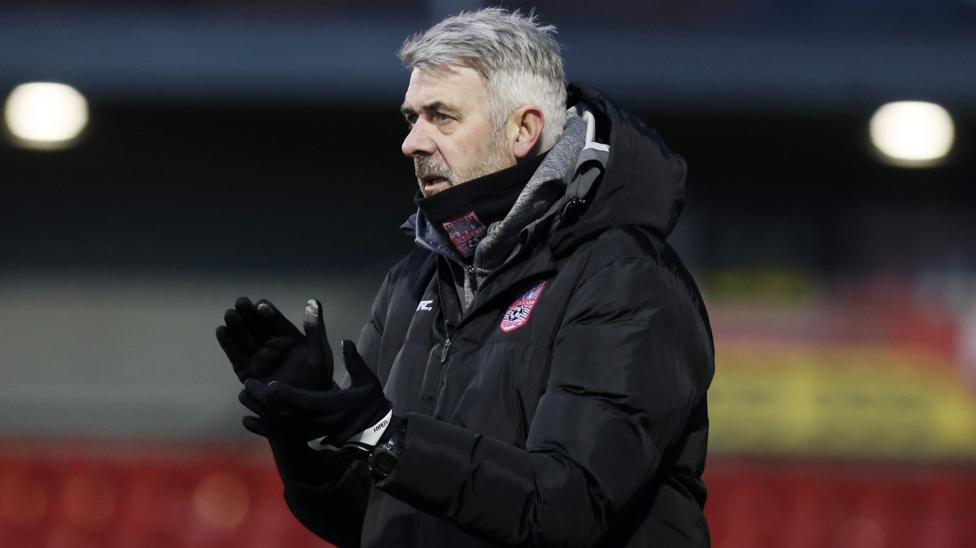
Canning characterised the league's approach as contradictory. When the Northern Ireland Football League announced that Boyle Sports
will launch a responsible gambling awareness initiative across NIFL clubs, using the league's matchday and digital platforms to promote practical information, encourage safer betting conversations and support fans throughout the season,Canning responded sharply:
I think there's a huge amount of hypocrisy in that statement that 'we're going to take money from betting companies, but you know what? We're going to help you more when you get into trouble.' I think that's a crazy statement to make, and that's a wee bit about trying to soften the acceptance of the sponsorship. I think that there's huge hypocrisy in it.
How Does the Gambling Support Group Operate?
The Gambling Support Group represents the first dedicated support mechanism for gambling addiction within the Irish League. Its design prioritises accessibility and confidentiality. Rather than requiring players to make phone calls—a barrier that can feel insurmountable for those in crisis—the GSG operates through text-based communication. The SMS support service operates at 07366 734909, with QR code posters installed throughout NIFL grounds to facilitate easy access.
Hogg articulated why this approach matters.
When I was gambling, I was very alone.. I pushed away my wife, my kids. My mum and dad didn't speak to me for a couple of years. You destroy relationships and gambling destroys families. Sitting in the house on your own when you've lost everything, and it's just you and your own thoughts - which can be really deep, dark thoughts and depressed - the last thing you want to do is pick the phone up and speak to somebody. But to just pick up and text is less personal, and nobody else will have to know.
The four members of the GSG—Hogg, Snoddy, Traynor and Ruddy—bring lived experience to their support roles.
I'll understand everything they're talking about and I can relate to that. I haven't had a bet in eight years and my life has turned around full circle. I've got my relationships back, I feel good and I can offer help. There is hope and there is life for anybody out there that is struggling with gambling. It doesn't have to be your life.
Carvill emphasised that the GSG operates on principles of support rather than punishment.
The good thing about the PFA, which is probably different than the Irish FA, we're not the police, so to speak. We're not going to sanction you or punish you or tell you what you're doing is wrong. That's not our role. Our role is you can speak to us. It stays with us and we have to get you help.This distinction proves crucial, as punitive approaches can deter players from seeking assistance and may exacerbate underlying mental health challenges.
Does Gambling Addiction Affect Women's Football?
While the vast majority of documented gambling issues occur among men, women remain vulnerable to addiction. Although the four current GSG members played in the men's game, Carvill stressed the importance of building trust within the Women's Premiership.
If you don't have a relationship, they're not going to speak to you. You have to connect with them before you can correct them, as I always say. Just because it hasn't been promoted as much, in terms of what's been shared about issues, it doesn't mean it's not happening in the women's game.
Carvill identified a significant regulatory gap that hampers efforts to address gambling harm comprehensively.
One of the most concerning things is that there is not a gambling commission in Northern Ireland, which limits regulation and the influence that can be had at government level.This absence constrains the ability of football organisations to coordinate with regulatory bodies on player protection measures. By contrast, the Irish government established a Gambling Regulation Authority that began issuing licences under the Gambling Regulation Act 2024 framework, with remote operators licensable from 1 July 2026 and in-person operators from 1 December 2026.
What Are the Long-Term Ambitions for the Support Group?
The Gambling Support Group launched as a one-season pilot scheme, with its continuation dependent on demonstrated impact and resource availability. Both Carvill and Hogg harbour hopes that the initiative will expand into a permanent, comprehensive resource for Irish League players and staff. Hogg acknowledged the ongoing nature of his own recovery.
I'm not cured and not fixed, and while I admit I will have a gambling addiction for the rest of my life, I now have the tools to help me with my recovery. In this world, you're never going to escape gambling, whether it be at football, whether it be at work, whether it be at driving.
Carvill articulated the rationale for sustained commitment.
If we're coming out and saying there's an issue and there's a problem, but we're not providing a service to support our members, then we're doing a disservice to footballers in Northern Ireland. It would be great if we didn't need it, but the reality is we are going to need it. It's up to us to make sure we have it in place so that moving forward, we can continue to educate and help players that are struggling.
What Happens Next?
The Gambling Support Group SMS support scheme is operating as a one-season pilot across NIFL grounds, with the end of that pilot season marking the next critical juncture for the initiative's future. The scheme's success in reaching players and facilitating recovery will likely determine whether it receives expanded funding and extended operation. Meanwhile, regulatory developments in the Republic of Ireland will continue, with in-person betting operator licences scheduled to commence from 1 December 2026 under the Gambling Regulation Authority framework, potentially creating divergent regulatory environments across the island that could influence cross-border football governance.