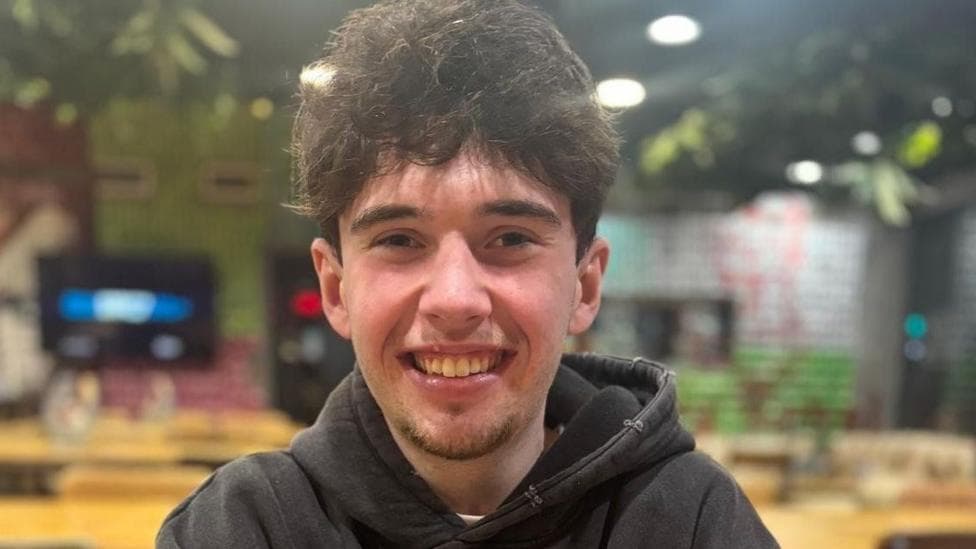
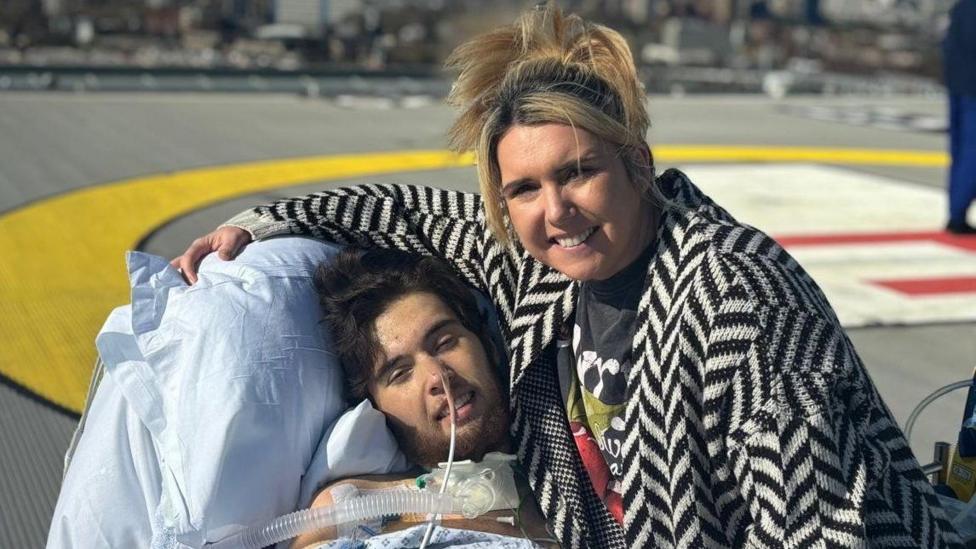
A 20-year-old university student who suffered multiple organ failure after unknowingly taking two medicines containing paracetamol has made a remarkable recovery, relearning how to walk and speak after weeks in intensive care. Riley Lubas, from Newport, Wales, was admitted to hospital in March 2025 with what he initially believed to be a stomach bug, only to discover his liver was failing and his condition had deteriorated to the point of requiring life support and dialysis.
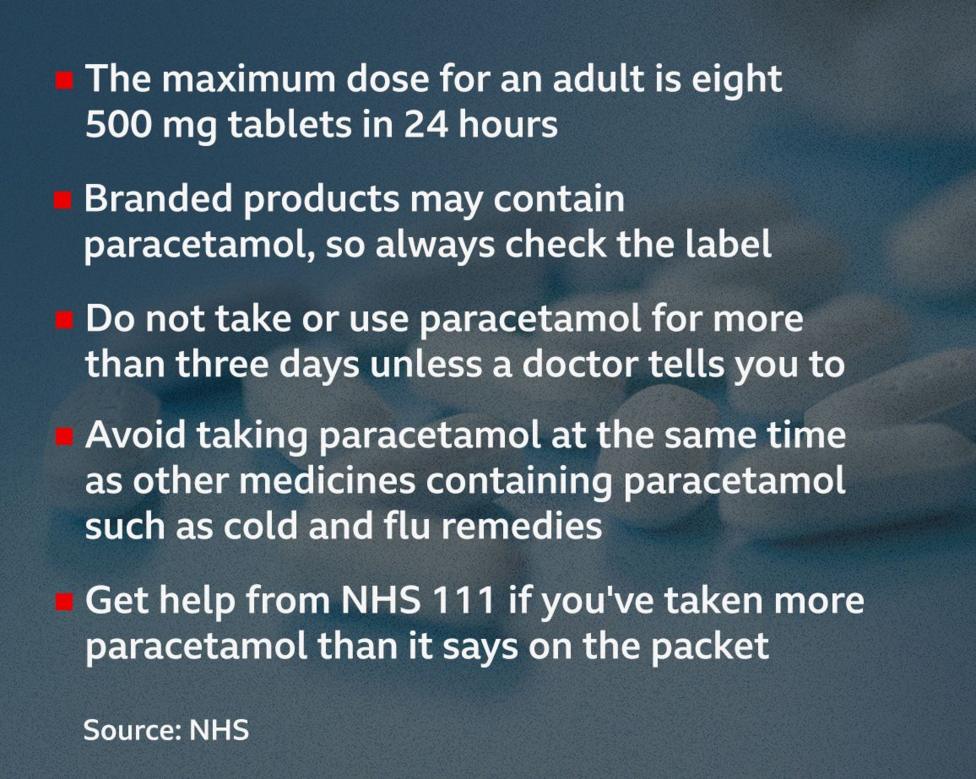
Lubas was in his first year studying creative media at the University of Bath when he developed a cold. Believing he was experiencing a common seasonal illness, he purchased two over-the-counter medicines without realising both contained paracetamol as an active ingredient. According to reports, he had been taking two tablets of each medicine every four to five hours for several days, pushing his total daily dose to approximately 9,000 mg—more than double the recommended adult maximum of 4,000 mg daily.
People get freshers flu or colds all the time in first year, so I got two medicines. I didn't realise at the time that both had paracetamol in them.
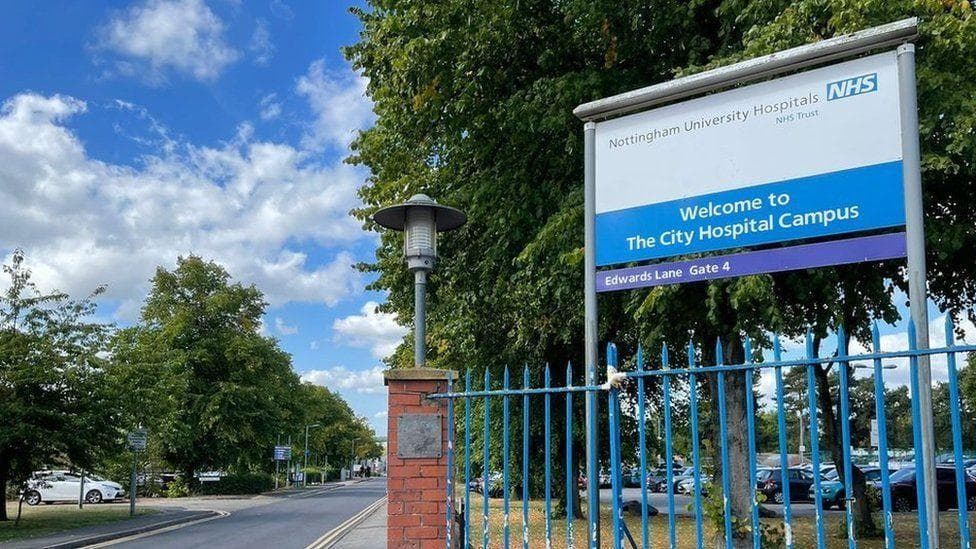
When abdominal pain developed, Lubas sought medical attention at Bath's Royal United Hospital. Initial tests revealed his liver function was severely compromised. His parents, Chris and Kate Lubas, both 39 and 40 respectively, were contacted and travelled immediately from Newport. Chris, a company director, recalled the alarming progression of events.
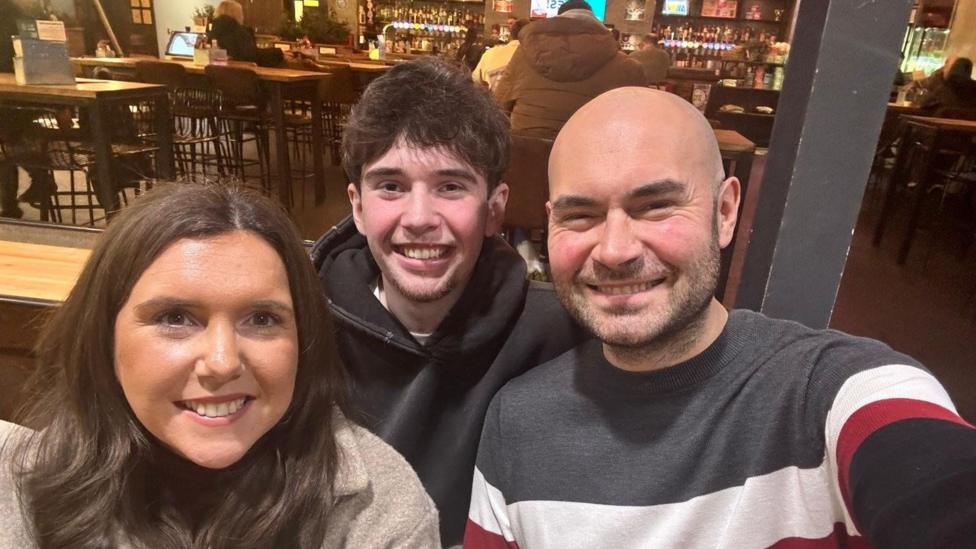
Hours later, at half one in the morning, I got a call from the ICU staff at the hospital saying we had to get there immediately. All they could say at the time was they were doing everything they could.
Medical staff initially suspected hepatitis, but the situation escalated rapidly. Within hours, Lubas's condition had deteriorated to the point where he was experiencing delirium and hallucinations. His liver began failing, and his kidneys and lungs ceased functioning. By evening, he was sedated and placed on life support, dialysis, and treatment for multiple organ failure.
By 6pm that night, he was sedated and on life support and dialysis and in multiple organ failure. The staff there were able to finally tell us how bad it had gotten.
Concerns about fluid accumulation around his brain added to the severity of his condition. His parents were informed that the damage could be irreversible. Due to the complexity of his case, Lubas was transferred to King's College Hospital in London, which operates a specialist intensive care unit. It was at this point that medical staff asked detailed questions about his medication intake, allowing his parents to identify both medicines and piece together what had occurred.
It didn't necessarily help with a solution, but it was good to know the cause at last.
While Lubas awaited a potential liver transplant, he was placed on the UK liver transplant list for a few days before his liver recovered on its own. Doctors began observing unexpected improvements in his liver function despite initial predictions that the damage would be permanent. Within a week, he was removed from dialysis and life support.
The recovery process, however, required extensive rehabilitation. Lubas had undergone a tracheostomy to assist with breathing, necessitating him to relearn how to speak. The shutdown of multiple organ systems meant he also had to relearn basic motor functions, including walking. He spent six weeks at King's College Hospital before being transferred to an ICU facility in Newport to continue his recovery.

We were amazed to see his improvement. He'd had a tracheostomy, so he needed to learn how to speak again, and because of how many organs shut down, had to relearn walking too. But just seeing him up and alive again was unbelievable.
Chris Lubas attributed his son's recovery to a combination of factors, though doctors could not pinpoint an exact explanation. Youth and overall health prior to the incident appear to have played significant roles in his survival.
Lubas has since returned to normal life and is working as a bartender. His parents undertook a 31-mile hike across the Gower Peninsula to raise funds for King's College ICU and increase awareness about the dangers of accidental paracetamol overdose.
It was mad how quickly it all escalated. Because I was already sick, when my stomach hurt I just assumed I'd caught a stomach bug, so I didn't notice the pain in my liver specifically. I'm just so grateful that I was able to come out the other end alright.
How common are accidental paracetamol overdoses?
Accidental paracetamol overdose in young people remains relatively uncommon, according to medical professionals. However, the risk increases significantly when individuals unknowingly take multiple products containing the drug simultaneously. In the UK, approximately 6,300 tonnes of paracetamol are sold annually, and common cold-and-flu products often contain paracetamol, creating an overlap risk with separate paracetamol tablets.
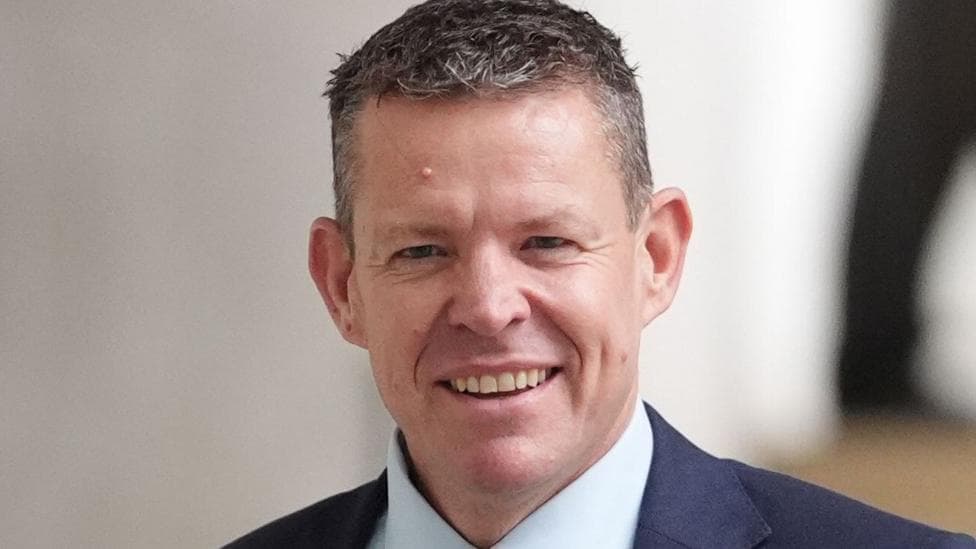
According to the most recent Office for National Statistics figures, 27 deaths registered in Wales during 2024 mentioned paracetamol on the death certificate. Dr. Will Mackintosh, a GP and chairman of the Royal College of General Practitioners Cymru Wales, emphasised that while such overdoses are rare, the consequences can be severe.
What do medical professionals recommend?
Dr. Mackintosh highlighted that pressures on young people who are simultaneously working and studying can lead them to consume excessive quantities of over-the-counter medication in an attempt to maintain productivity while ill. He stressed the importance of rest alongside medication use.
Particularly things like viral illnesses, while they're not serious, it's important to get enough rest as well. For a lot of these illnesses, you need some time to rest and allow them to run their course as well as taking over the counter medicine.
Community pharmacies maintain strict protocols regarding paracetamol sales, often restricting the quantity that can be purchased in a single transaction. General practitioners have also become increasingly aware of the heightened risk paracetamol overdose poses to older patients, particularly those with low body weight.
The Royal College of General Practitioners Cymru Wales advised the public to always read medication labels carefully and consult a pharmacist or GP before taking any medication. The NHS website also provides guidance on safe paracetamol use.
When these things happen, the symptoms can be very severe and the risks are high, so we want to minimise this to as few cases as possible.
Understanding paracetamol toxicity
Paracetamol overdose can cause severe liver and kidney damage. Early symptoms often include nausea, vomiting, and abdominal pain, which can be mistaken for other conditions such as gastroenteritis. The drug is metabolised by the liver, and excessive doses overwhelm the organ's capacity to process it safely, leading to hepatotoxicity and potential organ failure.