The song contest held profound meaning throughout my childhood. The variety of performances, the commentary from Terry Wogan, and the predictable pattern of Greece awarding maximum points to Cyprus while Cyprus reciprocated—these elements captivated me week after week.
Growing up in the conservative Dorset countryside, the hedonistic and unpredictable nature of the competition broadcast into my bedroom felt like a window into an entirely different world. I spent much of my youth strategising how to build a career that might eventually lead me to work at the contest, particularly if it were ever held in the UK. My friends seemed baffled by my detailed written assessments of each year's entrants, but I remained undeterred.
Two decades later, in 2023, my childhood dream materialised when Liverpool hosted the competition. By then, I had become a television critic, and my professional responsibilities that week involved exactly what I had always wanted to do—writing comprehensive analyses of each performer. My enthusiasm was so intense that I arrived at the Eurovision media centre to collect my press credentials before most other journalists had even shown up.
The event extends far beyond the Saturday evening grand final. It functions as an overwhelming cascade of noise, spectacle, and promotional activity—imagine a general election, but with glitter cannons and considerably more theatrical flair. The early days proceeded smoothly. I attended rehearsals and even managed to obtain a photograph with Andrew Lambrou, the Cypriot performer known for his impressive physique.
However, as the week progressed and the Liverpool Arena underwent transformation into one of the world's largest television production facilities, I began experiencing an unusual sensation—a kind of static electricity coursing through my entire body. It was neither painful nor pleasant, simply perpetually uncomfortable. Within days, I found myself retreating to the men's toilet, where I curled into a ball, seeking refuge.
That bathroom became my only sanctuary for decompression. No other option existed. The outdoor Pier Head area hosted performances by the English National Opera playing Eurovision songs. The media centre had become a chaotic space where content creators stood on tables cheering for their preferred entrants. When I emerged from the toilet, my mind feeling as though it were collapsing inward, I encountered the booming voice of host Hannah Waddingham rehearsing in French.

The strange sensation produced several surreal moments. I recall sitting on the pavement attempting to catch my breath, believing I was alone, only to glance up and see the then-director general of a national broadcaster emerging for a sandwich break. During the grand final on Saturday, as I watched Finnish performer Käärijä create an unusual formation with his backing dancers, my body felt like a church spire struck by lightning.
Weeks later, I mentioned this experience—somewhat dismissively—to a friend, who suggested I investigate the possibility of an autism diagnosis. I subsequently received that diagnosis at age 34. The revelation triggered a cascade of emotions alongside sudden clarity about longstanding difficulties: why maintaining eye contact with strangers in queer venues had always felt challenging, and why I had previously searched online for instructions on flirting as though love operated according to assembly instructions. I have since come to accept that sensory overwhelm may remain a permanent feature of my life, manageable only through deliberate adjustments and strategic breaks when stimulation becomes excessive.
Yet I have developed gratitude for my autism as well. Many autistic individuals possess a special interest that facilitates self-regulation. Television—including the Eurovision competition itself—serves this function for me, and I have constructed my entire career around this subject. Without my comprehensive knowledge of television history and analysis, I doubt I would have achieved this professional path. Additionally, my encyclopedic recall proves invaluable during pub quiz nights.
The irony strikes me profoundly: throughout my life, I believed my destiny involved working at Eurovision, yet when I finally arrived there, I discovered the experience overwhelming. Nevertheless, the event transformed me as an adult just as significantly as it had during my childhood. While I may eventually have stumbled toward a diagnosis through other circumstances, the fact that my realisation occurred at Eurovision, beneath all that glitter and spectacle, made the journey considerably more memorable.
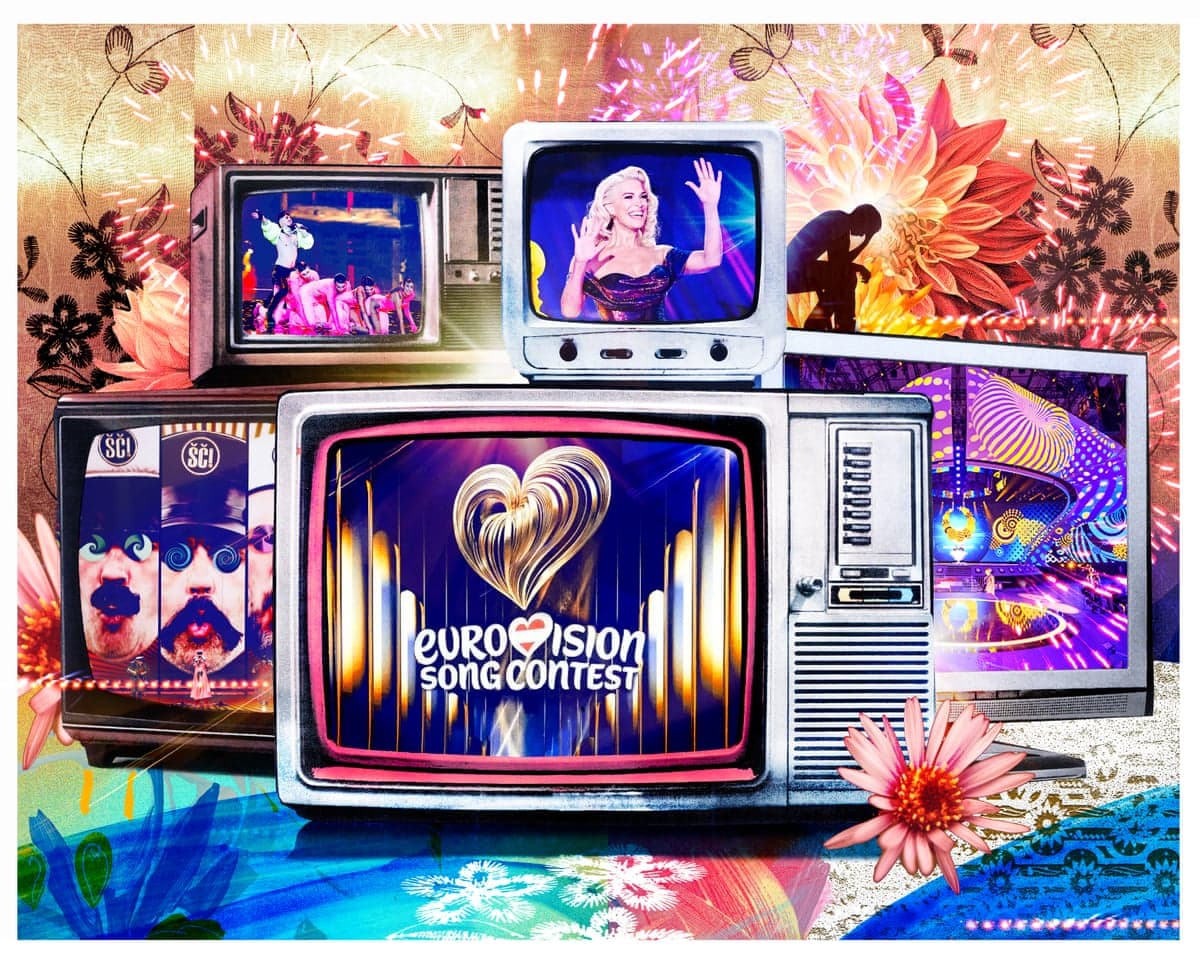
My experience reflects broader conversations about neurodiversity and sensory sensitivity in high-stimulation environments. The Eurovision Song Contest, particularly in its modern incarnation, has become increasingly elaborate. The 2026 competition, held on Saturday 16 May at Vienna's Wiener Stadthalle with hosts Victoria Swarovski and Michael Ostrowski, demonstrated this trend, though the event faced significant controversy. According to reporting on the 2026 contest, five countries—Iceland, Ireland, the Netherlands, Slovenia and Spain—boycotted the competition over Israel's participation, reflecting the geopolitical tensions that increasingly surround the event.
The 2026 contest marked Eurovision's 70th anniversary while recording the lowest number of competing countries in two decades, demonstrating how external pressures can affect participation. Additionally, Eurovision's voting rules underwent amendment for 2026 to reduce governmental influence on outcomes, suggesting the competition continues evolving in response to criticism.
My late diagnosis has provided explanations for patterns throughout my life, but it has also reframed how I understand my relationship with the things I love. The Eurovision Song Contest remains central to my identity and career, yet I now recognise that my intense engagement with it stems partly from how my neurology processes information and seeks patterns. The glitter, the noise, the spectacle—these elements that once simply fascinated me now make sense as both source of joy and source of overwhelm. That complexity feels entirely appropriate for a competition as gloriously excessive as Eurovision itself.