

Care Pressures Result in Early Bedtime for 89-Year-Old Woman
"I don't want to live like a queen. I just want to live without worrying."
An 89-year-old woman named Alison reports that due to staffing shortages, her full home care package is not being delivered as scheduled, resulting in her being helped to bed in the early afternoon.
Alison explained that carers now provide her evening meal and administer sleeping medication during a "tea time call" around 15:00 BST, after which she is assisted into bed for the night.
Living alone with a history of epilepsy and multiple falls, Alison often spends up to 19 hours in bed until carers return the next morning.
The Northern Health and Social Care Trust has issued an apology for the ongoing difficulties with Alison's care package and plans to coordinate with her GP to review her medication regimen.
Alison emphasized that she is not forced to go to bed early but feels compelled to do so out of fear of falling and injuring herself if she remains up.
Since the passing of her husband 14 years ago, she has depended entirely on domiciliary care arranged through the trust.
"I miss my freedom,"she said.
"I'll be 90 in September, so I need help. I don't like to, but I do need help, and I don't get the help that I need."
Care Package Visits and Timing Changes
Alison's care package includes three daily visits to assist with breakfast, lunch, and an evening meal. However, she reports that the final visit often now occurs around 15:00.
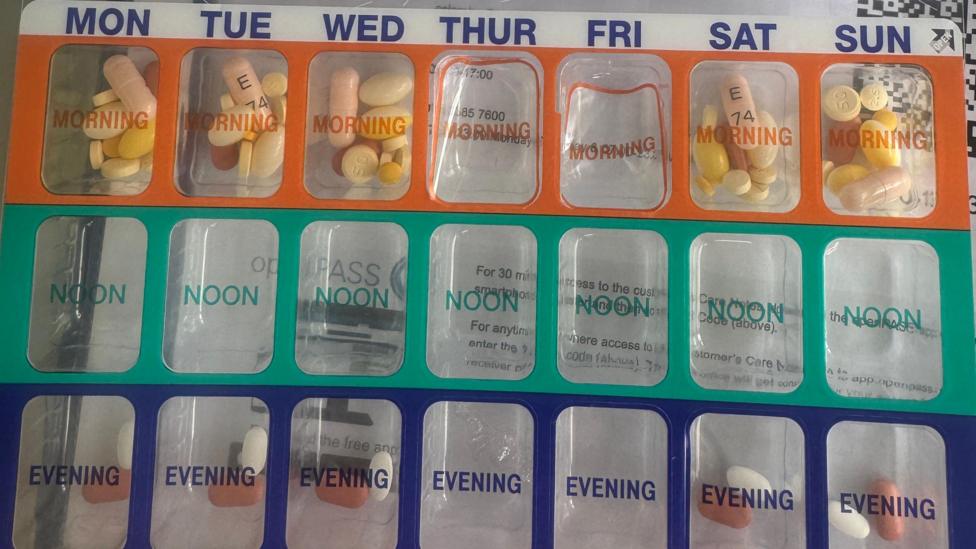
During this afternoon visit, carers help her into bed, provide her evening meal, and administer night-time medication, including sleeping tablets.
She believes that taking medication several hours earlier than originally intended may have contributed to her experiencing falls.
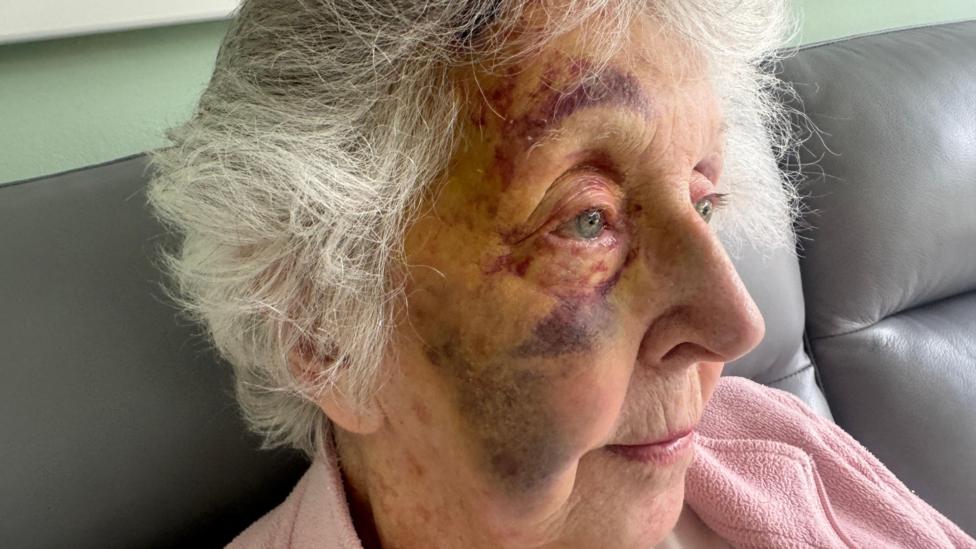
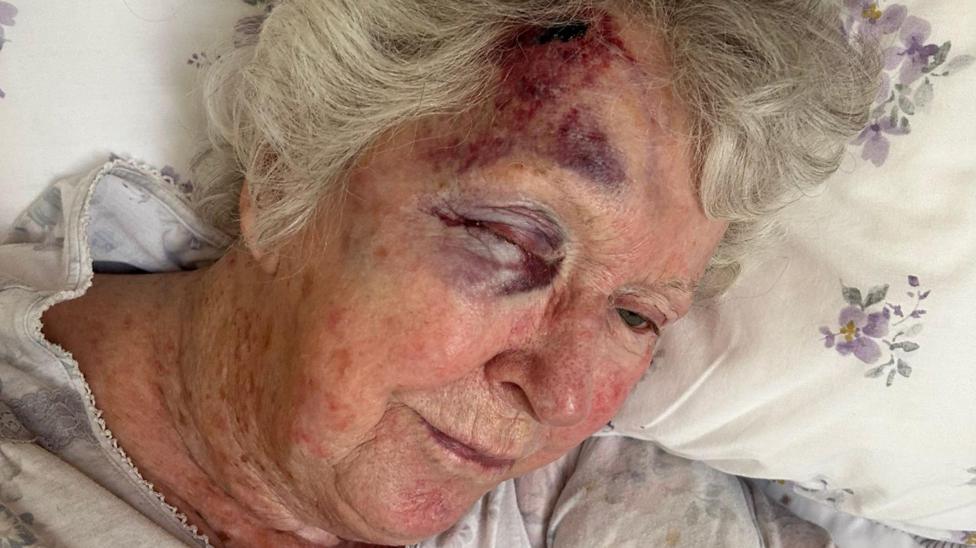
Since the changes to her care routine, Alison estimates she has suffered three major falls and numerous smaller slips.
On one occasion, she spent approximately two hours on the floor after a fall before receiving assistance.
Despite her concerns about timing, Alison praised the carers themselves.
"The girls are all very, very nice,"she said.
"But it's their timing that's a bit of a mix-up. It's not their fault."
She also noted that delays often prevent her from planning her day, as carers cannot always guarantee their arrival times.
Trust Response and Staffing Challenges
The Northern Health and Social Care Trust apologized to Alison for the difficulties with her care package but stated it is "regrettably" unable to provide a dedicated bedtime visit due to staffing pressures and rising demand.

The trust explained that Alison's third daily call is a tea time visit to assist with her evening meal and medication. Her social worker has discussed her medication needs with her and continues to offer support.
The trust has offered to explore alternative care providers and other care options, which Alison declined, expressing satisfaction with her current carers.
A spokesperson described this as "reassuring" but acknowledged that the current arrangement prevents the full delivery of Alison's daily care package.
"We acknowledge that this is not the level of service we want to deliver, and we are continuing to explore alternative solutions to ensure [Alison's] full package of care can be restored as quickly as possible."
The spokesperson added that the trust, like many others, is facing significant pressures on home care services due to workforce shortages and increasing demand.
Demand for home care services has risen by more than 12% since 2022.
Concerns Raised by Commissioner for Older People
The Commissioner for Older People for Northern Ireland described Alison's experience as "deeply concerning and totally unacceptable."
"No older person should find themselves effectively having to end their day in the middle of the afternoon because the care package they require cannot be fully delivered,"Siobhan Casey said.
She noted a significant increase in calls from older individuals and families struggling to access domiciliary care, including delays in hospital discharge, reduced care provision, and long waits for support.
Concerns highlighted include delays in hospital discharge due to unavailable care packages, extended waits for home support, reduced care services, and difficulties accessing services in rural areas.
"Older people need more than apologies. They need action,"Casey stated.
She urged the Department of Health, the Executive, and Health and Social Care Trusts to collaborate urgently to address staffing shortages and ensure older people receive the care necessary to live safely and independently at home.
In response, the Department of Health stated:
"Through the work of the Social Care Collaborative Reform Board, we have a specific focus on homecare within Northern Ireland. This work includes reviewing demand, capacity, commissioning and the model of homecare required to make homecare fit for now and into the future."
Alison's Perspective and Community Support
Alison expressed concern not only for her own situation but also for others receiving home care.
"I'm not the only one,"she said.
"There must be lots of people in the same boat."
While describing herself as fortunate to have supportive neighbours and friends, she worries that others may have fewer people to rely on.
"I'm one of the lucky ones because my house is small and cosy and I've lovely people around me,"she said.


