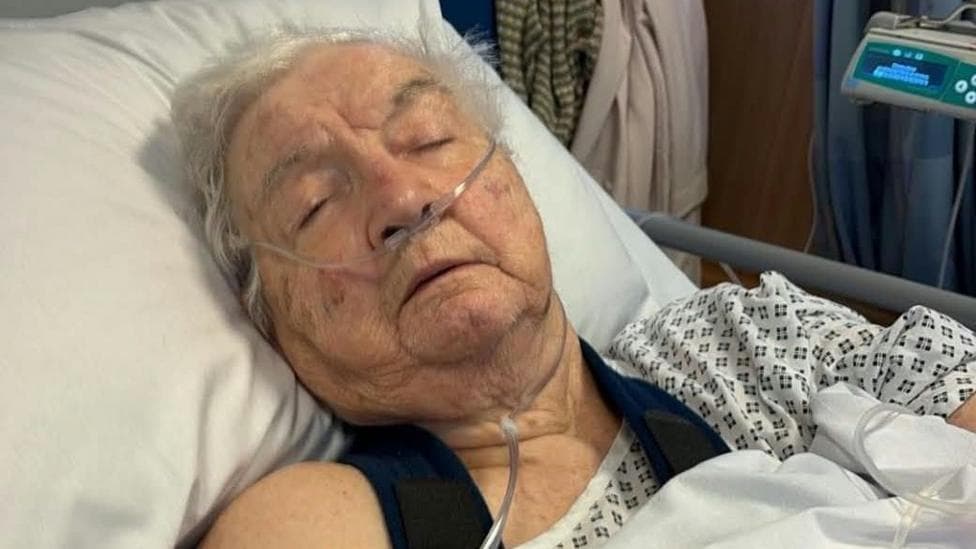
Hayley Locksley lost her job as a special needs teaching assistant in a primary school last October after her employer deemed her unfit to work due to endometriosis-related absences. Her experience reflects a widespread crisis: nearly half of women with the condition have lost income because of it, according to a new parliamentary inquiry that reveals systemic failures in workplace support and employer understanding.
According to BBC News, the All-Party Parliamentary Group on Endometriosis published its workplace report on 14 October 2026, drawing on responses from 6,239 people with confirmed or suspected endometriosis and 250 employers. The findings paint a stark picture of how the condition—which affects one in 10 women—devastates careers and livelihoods across the UK.
Hayley's journey with endometriosis began at age 11 when her periods started. She spent months in the school sick room, often losing consciousness from the pain, yet doctors offered only paracetamol as treatment. At 24, she finally received a diagnosis explaining why her body was failing her: tissue similar to the lining of the womb was growing outside the uterus, causing severe internal damage.

She initially worked in a nursery, where her employers questioned whether her symptoms were genuine and required her to use annual leave to cover sick days. After surgery, she switched to office work hoping the reduced physical demands would help, but her new colleagues questioned her frequent bathroom visits.
I had to explain that my bladder sometimes did not empty fully, causing severe pain and horrendous diarrhoea. I found the questioning embarrassing and humiliating.
Determined to pursue her passion for working with children, Hayley became a special needs teaching assistant four years ago. However, when her sickness absences increased, she was placed under review and dismissed.
I didn't want to give up my career but my health meant I could no longer continue.She now uses a walking stick, experiences severe back and leg pain, and has fallen multiple times.
Losing my job has been so tough for my mental health.
The Scale of the Problem
The parliamentary inquiry's findings reveal endometriosis is not merely a personal health challenge but a workforce crisis. According to The Endometriosis Foundation, 97% of respondents had worked while experiencing severe pain, 47% had lost income because of their symptoms, and 28% had left a job entirely. Among the 6,239 women surveyed, 94% reported that their employers lacked a good understanding of endometriosis, and half received no workplace adjustments whatsoever.
Endometriosis surgeon Dr Rebecca Mallick described the statistics as shocking yet unsurprising.
Women should not have to choose between their health and their careers. We have raised awareness for years. Now we need meaningful action.
The employer side of the survey was equally troubling. According to Endometriosis UK, 72% of the 250 employers surveyed provided no training or guidance on women's health issues. Beyond this, the report found that 88% of employees believed workplace policies did not properly account for long-term conditions, and 79% said employment law and guidance lacked sufficient clarity on supporting conditions such as endometriosis.
Stories of Delayed Diagnosis and Career Loss
Carla Cressy's experience mirrors Hayley's in its cruelty. She worked as a model from age five until 17, but kept collapsing on shoots. Doctors removed her appendix, believing that was the source of her excruciating pain, only to discover years later that endometriosis was the culprit. By the time she received her diagnosis 10 years ago, the condition had progressed to frozen pelvis disease, destroying her reproductive organs and requiring bladder reconstruction and a total hysterectomy.


Carla now runs The Endometriosis Foundation and was made an OBE earlier this year for her work making endometriosis more visible and better understood. She gave evidence to the parliamentary inquiry and spoke about the toll the condition takes on working life.
Having experienced first hand the impact endometriosis can have on your working life, I know just how difficult it can be. And these are things we hear about from our community every single day. People struggling to stay in work, taking time off for treatment, losing income and sometimes having to give up careers they've worked incredibly hard for.
I really hope this isn't where the conversation ends. We need to keep the pressure on government to prioritise endometriosis care, but employers have a part to play too. Better understanding and support in the workplace can make such a difference to someone's life.
A Department of Health and Social Care spokesperson acknowledged that endometriosis can have a
devastating impacton women's lives and stated that the inquiry's findings highlight the need for better support in both healthcare and the workplace.
Unrealistic Expectations in the Workplace
Faye Ramsey, 32, from Ipswich, spent 10 years in agony before receiving her endometriosis diagnosis last year. Doctors had suggested she had irritable bowel syndrome. After a hysterectomy in June and removal of her endometriosis, she struggled both mentally and physically to return to work as a teaching assistant.
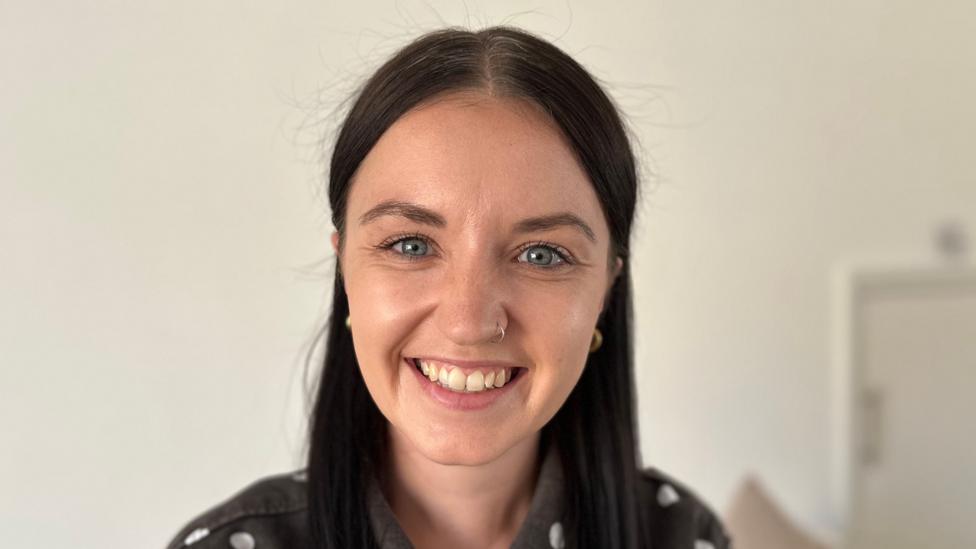
Through her work founding Girls Anatomy, a support organisation, Faye has encountered numerous women who lost their jobs, had their hours reduced, or became physically ill at work after
dragging themselves in...because they don't want to lose their jobs. She gave evidence to the inquiry and called for endometriosis-friendly employer recognition schemes and better legal protection for women during probation periods.
It's not pleasant to try and fight for your job and justify why you're the way that you are and why you're having that time off. Your absence policy shouldn't be the same as someone who is able-bodied and has no medical condition, you shouldn't be [judged] against that person because it's just not fair.
What Are Employers Doing?
The government says it is working with employers to improve awareness of endometriosis. However, the parliamentary inquiry's employer survey revealed significant gaps. Matthew Percival, the Confederation of British Industry's future of work and skills director, stated that businesses are
increasingly aware of women's health issuesand keen to explore how they can support women
without their careers being held back, describing this as part of a
wider shifttowards improving health and wellbeing in the workplace.
Yet the data suggests this awareness has not translated into action. The report recommends practical measures including flexible hours, additional breaks, immediate toilet access, phased returns to work, and paid time for medical appointments. These recommendations emerged from the APPG inquiry, which gathered evidence through employee and employer surveys, written submissions, and oral evidence sessions held between May and September 2026.
What Happens Next?
Endometriosis UK is taking the report's recommendations forward through discussions and roundtables with policymakers, though no specific date for those discussions has been announced. Hayley, Carla, and Faye all expressed hope that employers will demonstrate greater understanding of endometriosis in future.
They want women to be believed, treated with dignity, and supported to remain in work.
Behind every absence, every appointment and every person who struggles at work, there may be a much bigger story than they realise,Hayley says.
Hayley hopes she will eventually return to the classroom, but acknowledges it is not currently possible.
Endometriosis has taken so much from me. I don't want to be in this position. I loved my job and I worked really hard. To be told at 40 years old that I'm not fit for work, I'm now left wondering, is that it for my working life? I'm still 25 years away from retirement age. Am I going to be able to ever work again?