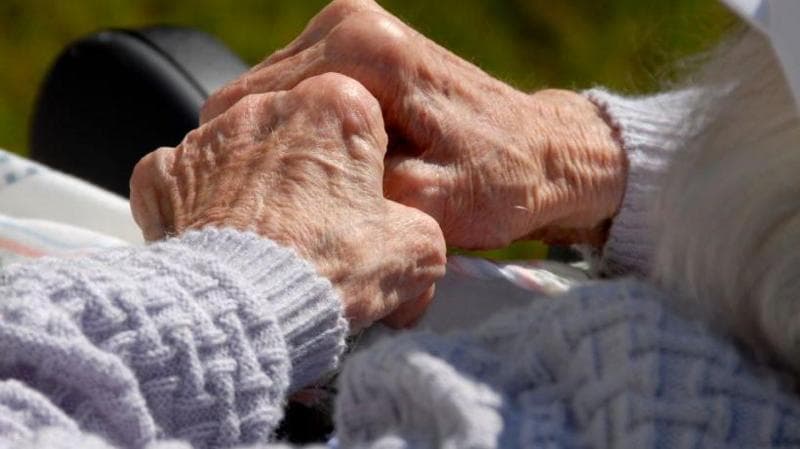
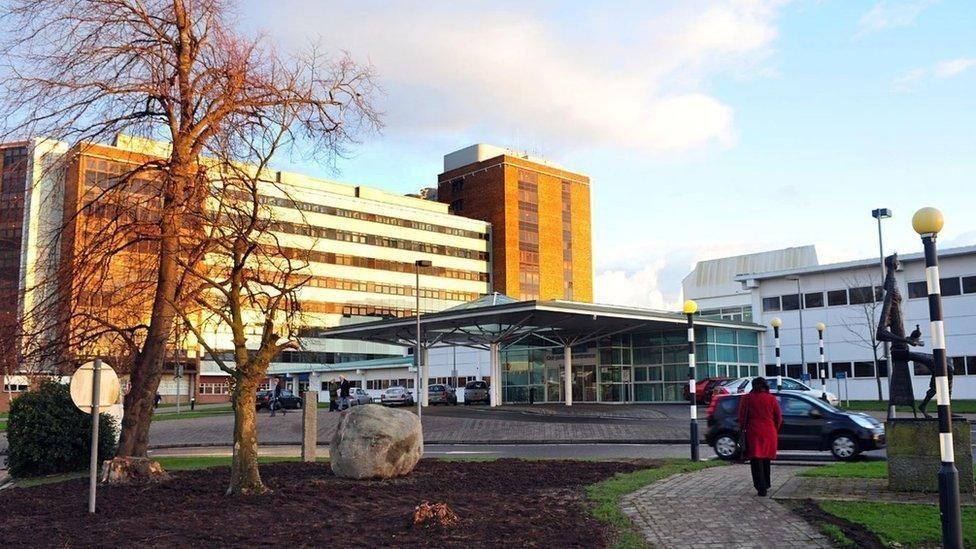
The family of a 72-year-old man who spent four consecutive days seated in a chair within Altnagelvin Hospital's Emergency Department hallway while awaiting admission has described feeling "helpless and horrified" by the ordeal.
Mike Kelly arrived by ambulance at the Londonderry facility on 6 September after developing a foot infection and experiencing an angina attack at home. Throughout his wait for a bed, he remained in excruciating pain and was unable to sleep, according to his granddaughter Enya Kelly.
The Western Health and Social Care Trust (WHSCT) acknowledged the distressing situation, apologising to patients experiencing extended waits at the hospital. The trust attributed the pressures to system-wide challenges affecting all of Northern Ireland's health organisations and stated that efforts continue to "manage demand and maintain patient flow." Officials emphasised that staff are "working tirelessly in extremely challenging circumstances."
The scale of the problem extends beyond individual cases. According to the Department of Health's latest emergency-care statistics, Altnagelvin recorded the longest median emergency-department-to-admission time across Northern Ireland in June 2026, at 19 hours 28 minutes. Additionally, figures show that 14,135 patients at Derry's A&E waited longer than 12 hours during 2024/25, a significant rise from 4,464 in 2020/21.
What was Mike Kelly's experience?
Enya described her grandfather's four-day confinement in the ED hallway as a traumatic experience. He was positioned in a chair within a busy corridor rather than in a private room, with medical staff and other patients moving around him constantly. The lack of privacy and comfort, combined with his severe pain and inability to rest, caused his condition to deteriorate significantly.
"He was sat in a chair in complete excruciating pain. He hadn't slept. My granddad had become delirious," Enya recounted. She noted that her grandfather eventually received a bed allocation on the Wednesday of his fourth day in the department.
Despite the distressing circumstances, Enya acknowledged the dedication of hospital staff.
"The staff were amazing over there. The nurses were amazing. They're just incredibly overworked."
How widespread is this problem?
The Kelly family's experience reflects a systemic issue affecting emergency departments across the region. Enya reported that numerous individuals contacted her through social media after she shared her grandfather's story, describing similar ordeals of waiting without proper accommodation.

The physical constraints at Altnagelvin compound the challenge. Other patients were similarly without dedicated rooms in treatment areas, and the waiting room lacked sufficient space for those awaiting admission. Live wait-time trackers indicated Altnagelvin's average A&E wait stood around 74 minutes in early September 2026, though this figure fluctuates throughout each day depending on demand.
Enya expressed frustration at the broader systemic failures. "You're able to kind of look around and you are just sort of going, what the hell's going on here? We just need funding, they have under-funded it for years," she said. She emphasised that her grandfather's vulnerable position during his ordeal demonstrated the urgent necessity for meaningful change within the healthcare system.
What is the government's response?
Health Minister Robbie Butler acknowledged the severity of waiting times, describing them as "far too long." He stated his determination to reduce emergency department waiting times and improve patient experiences across Northern Ireland. However, he cautioned that resolving the crisis would not happen quickly.
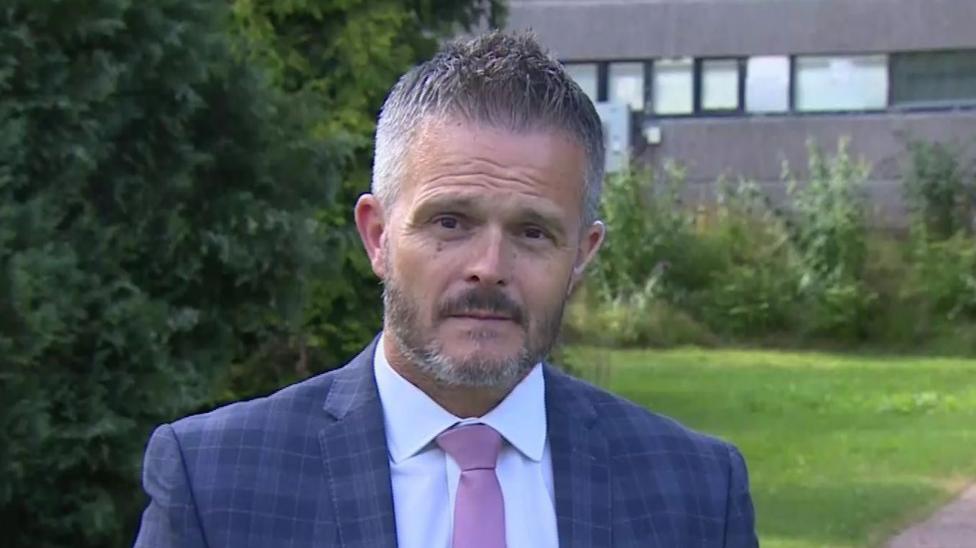
Butler expressed support for capital projects including the redevelopment of Altnagelvin's Emergency Department, but noted that such investments depend on budget allocations determined through the Department of Health's budgeting process. He identified the absence of an agreed budget at Stormont as "a matter of deep regret," suggesting that political gridlock is hampering efforts to address the crisis.
The minister outlined a longer-term strategy focused on redirecting patients to appropriate care pathways from the outset, rather than concentrating all urgent cases in emergency departments.
"My long-term vision involves diverting patients to the most appropriate care pathways first time, to provide patients with the best care possible."This approach would include expanding day care clinics and strengthening community-based services such as Hospital at Home programmes.
What does the data show about the crisis?
Historical context reveals that Altnagelvin's emergency department has faced mounting pressure for several years. The current situation represents a continuation of longstanding challenges rather than a recent development. The combination of rising patient numbers, insufficient bed capacity, and constrained staffing resources has created a perfect storm within the facility.
The trust has indicated that during periods of extreme pressure, the hospital operates at maximum bed capacity across all wards and departments, leaving no flexibility to accommodate additional admissions. In one documented instance, 53 patients were reported to be waiting for a bed at Altnagelvin on a single Tuesday, illustrating the scale of the backlog that can develop.
What happens next?
The Department of Health maintains a regular publication schedule for emergency-care waiting-time statistics, releasing data monthly and quarterly. Provisional inpatient and day-case waiting-time statistics for June 2026 are scheduled for release between September and October 2026, which should provide updated context on whether pressures are easing or intensifying.
In the interim, the focus remains on implementing Butler's strategic vision of diverting patients to appropriate care settings and strengthening community services. However, without resolution of the budget impasse at Stormont, significant capital investments in facilities like Altnagelvin's Emergency Department may remain stalled, leaving the underlying capacity constraints unresolved.