

A growing number of young women say they understand their own bodies far better than their mothers' generation ever did, crediting social media and online communities rather than school lessons or family conversations for that knowledge. Terms once confined to medical journals, such as "cycle syncing" and "going luteal", have become everyday vocabulary for many, while awareness of conditions such as PMOS (polyendocrine metabolic ovarian syndrome) and fertility issues has spread rapidly online. Campaigners welcome the shift but caution that misinformation and health anxiety remain real risks.
Women, parents and experts describe a widening generational gap in how menstrual health is discussed, understood and treated.
Why do young women feel they know more than their mothers did?
Iqra Wasim, from Fishponds in Bristol, has lived with PMOS symptoms including painful acne since she was 11 years old. PMOS affects roughly one in eight women and is a leading cause of female infertility, with symptoms ranging from irregular periods to excessive hair growth and weight gain.
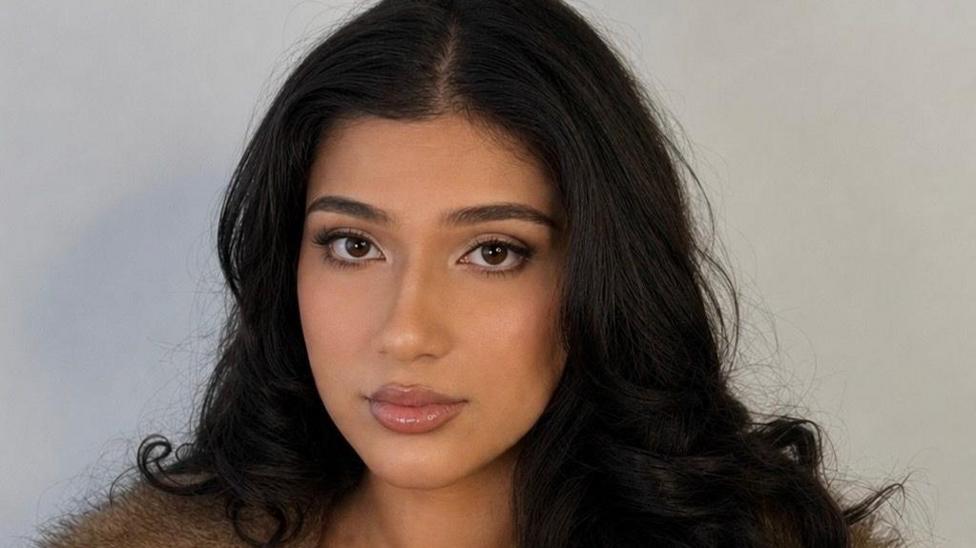
Wasim built her understanding of the condition by questioning doctors directly and turning to social media, and she now finds herself passing that knowledge on to her own mother, who also has PMOS.
"My mum was going through heavy bleeding with her PMOS and didn't know what birth control was," she said.
"I told her about it and she thought I was talking about being sexually active, but I explained there's so much more to the medicine - that showed the main knowledge gap between us.
"My mum's generation did have knowledge, but it only stayed between women, families or doctors and now someone can talk about their period and PMOS online and millions of women can relate to it.
"Our generation is more willing to ask whether something is normal.
"But I don't think that social media is a replacement for a medical professional," Wasim added.
PMOS is the newer name for a condition long known as polycystic ovary syndrome. Health guidance body NICE recently recommended the renaming to improve diagnosis and awareness among millions of women worldwide, and separately urged annual NHS checks for those affected so associated risks such as diabetes and heart disease can be monitored more closely.
What barriers remain despite more openness online?
Caroline Herman set up 'All Yours Period Box', a Wiltshire-based initiative she runs with her daughter that donates period products to foodbanks. She believes there is still substantial work needed to close gaps in menstrual health education across generations.
"We have a generational gap in the country," she said.
"We have generations like mine where we weren't taught anything to do with our periods and then there's our parents - there was this layer of silence that we've had to fight our way through."
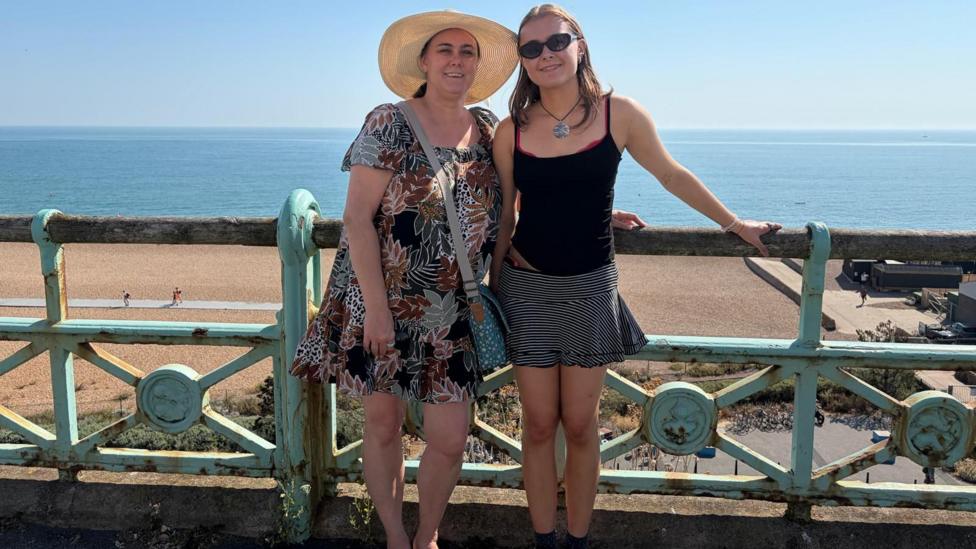
Herman says she had to teach herself about hormonal health after experiencing a stroke that doctors believe was linked to a hormonal imbalance. She welcomes the surge of information now available on social platforms but insists it needs to be treated carefully.
"Is it high-quality, unbiased? Is some of it getting caught up in influencer culture where it's not medically backed?
"But I think the more we talk about menstrual health as a society can only be a good thing. We have to keep pace with our young people with what they're learning," she added.
She also pointed to ongoing obstacles to open discussion online.
"Meta and other platforms are censoring out medically correct terms as being offensive," she said.
"It's in the RSE curriculum - we should be using correct anatomical terms like vagina, vulva, clitoris."
How are parents changing the way they talk to their children?
Many women trace their first exposure to concepts such as cycle syncing and the distinct phases of the menstrual cycle back to social media rather than school or home. Wellness influencer Beth Lauren, from the Cotswolds and mother of two boys, believes conversations should start early to stop menstruation becoming a taboo subject in the first place.
"Kids are really open to [talking about] stuff. It's not inherently scary until we make it scary," she said.
"Having boys, it's really important they have menstruation education as well, and I will be trying to teach them as much about it as I would a daughter."
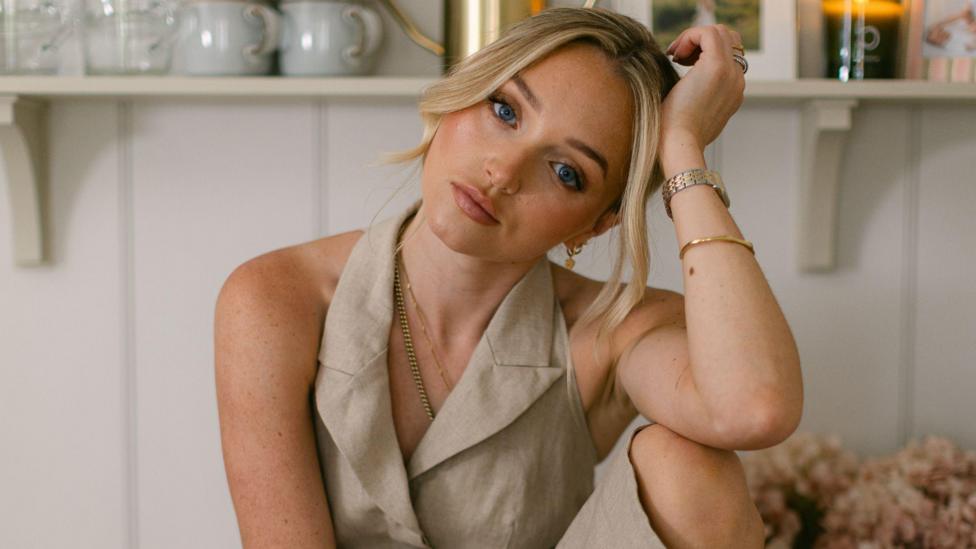

Lauren says she only learned about the different phases of the menstrual cycle herself after becoming a parent.
"My mum was quite open, but again, it wasn't something that we discussed in depth.
"I don't actually think it was something that she knew loads about, and I don't think she would now either.
"I do know that the majority of my knowledge now as a 30-year-old woman has come from social media.
"[But] I can consume all of that content with nuance, and with a bit of self-responsibility," she added.
The rise of cycle-related content online has not been without controversy. Some influencers promoting the luteal phase have used the growing interest to push fertility-focused, anti-birth-control messaging, illustrating Herman's warning about the need to scrutinise the medical accuracy of viral health content.
What does the research say about body literacy and school education?
Maisie Hill, author of the bestselling books Period Power and Perimenopause Power, says talking about periods carries far less stigma than it once did, with many parents in their 30s and 40s now sharing information with their children that they themselves never received.
"The conversation has opened up a lot; it's not just about how to manage having a period, but understanding how your body works and how to support it," she said.
"Sex education has improved, but it's still not enough. Some parents think that their 9-year-old is too young to be hearing about periods and fertility, without realising that some 9 year olds have already started their periods.
"There's been a tremendous increase in body literacy which is fantastic, but now we need to address how that knowledge can be applied to educational and workplace settings, as well as improving medical care and access to treatment."
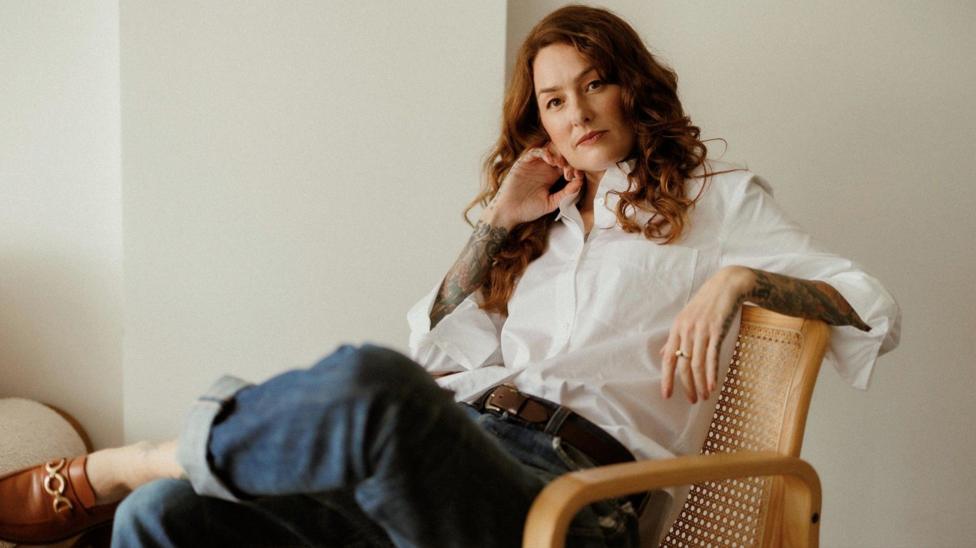
Hill warns against labelling women's concerns about their cycles as mere anxiety, arguing this risks repeating a long history of dismissing women's physical symptoms.
"My fear is that 'this information causes health anxiety' becomes yet another way to dismiss our experiences of the cycle, as if we can't handle knowledge about our own bodies.
"That dismissal has history behind it. The word hysteria is derived from the Greek word for uterus, and for centuries, women's pain and emotions were pathologised as a fault of the uterus, treated in the form of a hysterectomy.
"Calling a woman's concern about her own body 'anxiety' brings us close to that history," she added.
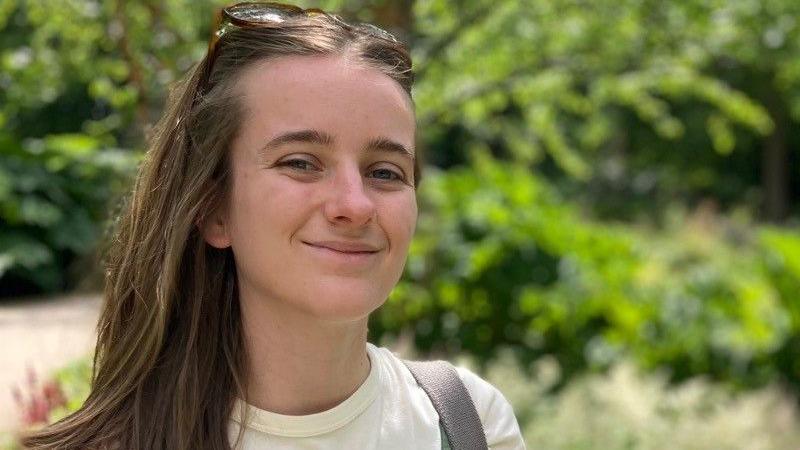
Poppy Taylor, a PhD researcher at the University of Bristol, has studied the experiences of 18 to 24-year-olds who went through the sex and relationships curriculum between 2000 and 2020. She notes that some children are now starting their periods as young as eight.
"Our study found that up to one in five did not receive menstrual education in school until after they had started menstruating," she said.
"Another issue is inclusivity. It's important to tackle the culture of secrecy and making sure everyone has an awareness of what's happening to their bodies and their peers and how best to support them."
Taylor also links the shift in attitudes to the wider conversation around menopause, which she says has helped normalise discussion of other reproductive health topics and driven more research into women's health issues generally.
"It's helped to open the doors on conversations about other women's issues - there's also been an increase in research.
"I think it's empowering - people having better understanding of their bodies. Having more knowledge helps people feel more prepared," she added.
What is the government doing to improve menstrual health education?
Beyond social media and individual campaigners, official policy is also shifting. According to a government response document, the UK government has committed to launching a new programme aimed at improving girls' menstrual health education, backed by an additional £1 million for targeted work in schools and community settings. The same document notes that since May 2026, the NHS website has been directing users seeking menstrual health information to the Wellbeing of Women Periods hub, which includes a symptom checker tool.
The commitment follows a Women and Equalities Committee report into the menstrual health of girls and young women, which set out 26 recommendations for government and NHS England to act on.
Access to period products remains a separate but related concern. Reporting backed by ActionAid found that around 11% of people who menstruate in the UK struggled to afford period products for themselves or a dependent in the past year, while a UK youth campaign launched in March 2026 has been pushing for free period products in all public toilets under a "Period Dignity" drive.
What happens next?
A renewed women's health strategy is expected to set out a clear plan for delivering menstrual health teaching in schools from September 2026, according to healthcare policy reporting. Experts such as Hill and Taylor argue that translating growing public knowledge into practical support in schools, workplaces and the NHS will be the next major test of whether the shift in awareness leads to lasting change.
- PMOS, formerly known as PCOS, affects about one in eight women and is a leading cause of female infertility.
- Up to one in five people did not receive menstrual education until after starting their periods, according to University of Bristol research.
- The government has pledged an additional £1 million for menstrual health education in schools and communities.
- Around 11% of people who menstruate in the UK have struggled to afford period products in the past year.
- A women's health strategy is expected to detail a schools implementation plan from September 2026.


