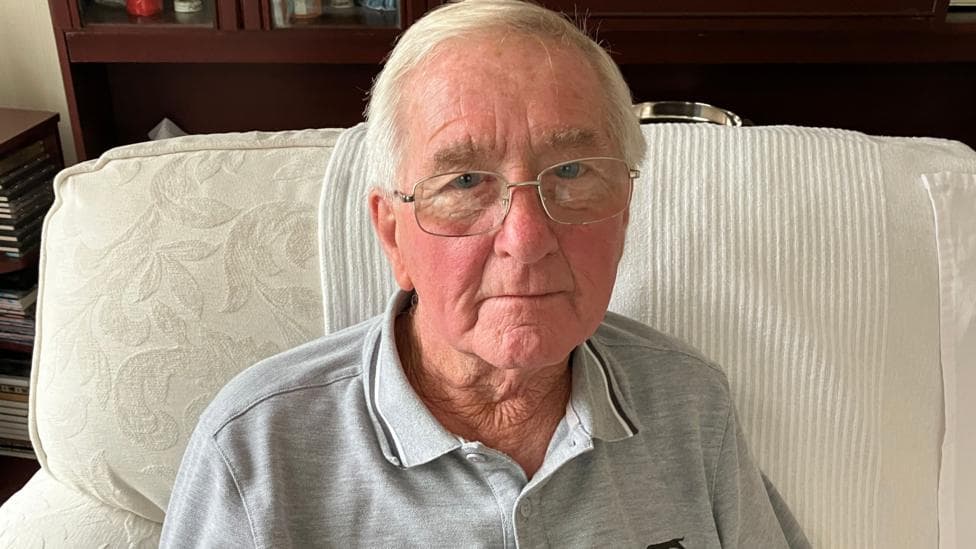
An 83-year-old man recovering from cancer and two heart attacks was compelled to drive himself across 70 miles to Withybush Hospital in Haverfordwest, Pembrokeshire, for cardiac tests after being refused non-emergency transport. Charles Swift, who lives in Borth, Ceredigion, made the exhausting four-hour round trip in August because a Welsh Ambulance Services Trust (WAST) call handler rejected his request when learning he owned a vehicle.
According to BBC News, Swift described himself as
exhaustedfollowing the journey and questioned the logic of the eligibility rules.
I can't understand why pensioners have to run about in their own car,he said. The case highlights mounting pressures on rural healthcare transport across Wales, where patients face increasingly difficult journeys to access specialist services.
Swift, who has undergone treatment for three types of cancer, encountered the same questioning when he contacted hospital taxi services. When he confirmed he could walk, climb stairs and owned a car, he was told:
You'll have to use that then.He expressed bewilderment at the distinction:
I don't understand. What's the difference if you've got a car or not? I'm 83. It's not a good journey to do. It was tiring.
The situation worsened when transport for a subsequent Monday appointment was cancelled on the Friday afternoon, forcing Swift to abandon the visit entirely. When he eventually received ambulance transport for another appointment, the experience proved markedly different.
It was very pleasant, no problem at all,he recalled.
Why was transport initially refused?
WAST's eligibility criteria for non-emergency patient transport are restrictive. Hywel Dda University Health Board's website states that patients are normally expected to arrange their own transport, with some qualifying for assistance only if they receive regular dialysis or cancer treatment, require a stretcher or oxygen, or need to travel in their own wheelchair. Swift's ownership of a vehicle disqualified him under the service's assessment process.
Public transport offers no practical alternative for rural patients. Trains from Borth to Haverfordwest require a minimum of three-and-a-half hours in each direction, making the journey economically and physically unfeasible for an elderly cardiac patient.
After Swift's initial appointment, Councillor Hugh Hughes from Ceredigion met with him and found him deeply distressed.
He was distraught. He didn't know how he was going to manage it. He was absolutely exhausted after the first experience,Hughes recalled. The councillor's intervention prompted WAST to review the phone call during which transport was denied.
What changes has the ambulance service made?
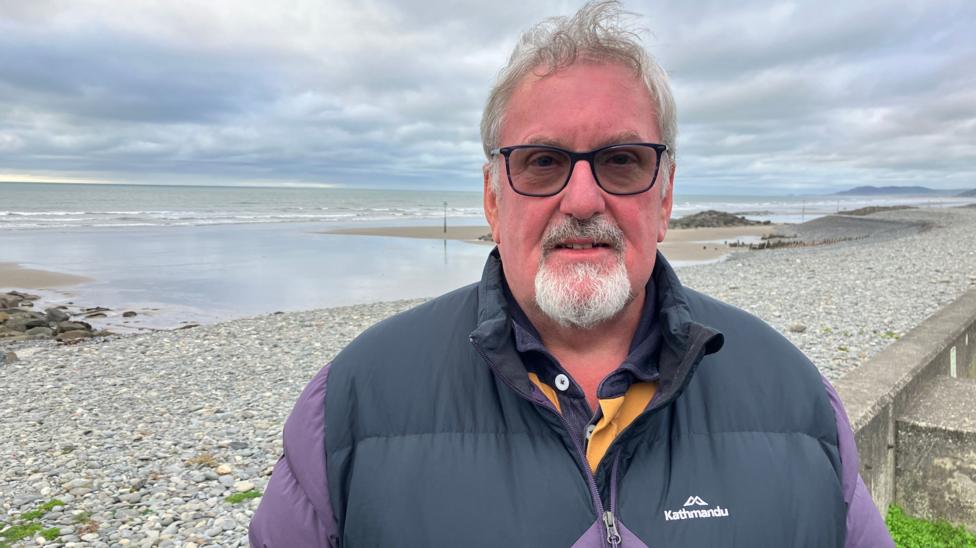
Mark Harris, WAST's assistant director of operations, acknowledged that the transport would not have been refused had the service possessed more comprehensive information about Swift's medical condition.
We've changed our processes now, and we've put some training out to our call taking team, so when Mr Swift rings again, he'll get a different answer,Harris stated.
However, Harris emphasised that systemic challenges extend beyond individual call-handling decisions. The ambulance service faces escalating demand that outpaces available resources.
We are seeing an increase in the volume of journeys we have to cancel where the demand exceeds our available resource,he explained.
So we will get occasions where we have more work than we can fit on our vehicles within a day [and] we're in the middle of a significant improvement programme now to address that.
Cancellations remain a persistent problem. Councillors and voluntary organisations report that even when patients secure transport, bookings are frequently cancelled the day before appointments, disrupting medical care and forcing patients to seek alternative arrangements at short notice.
How are community services filling the gap?
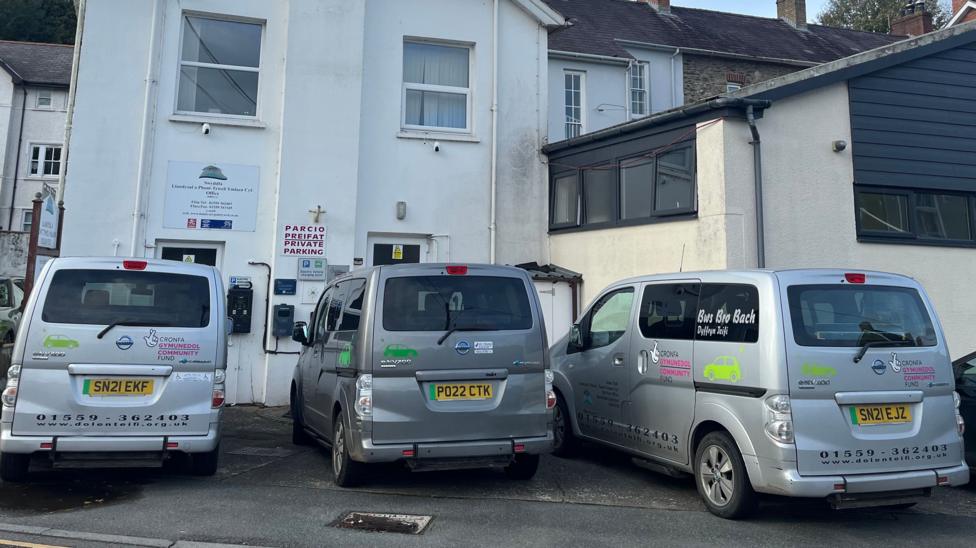
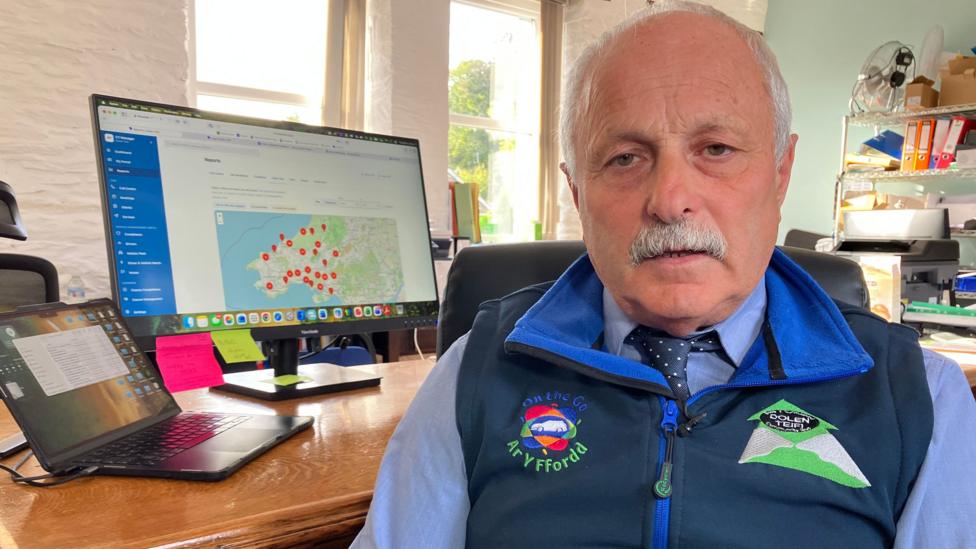
Dolen Teifi, a community transport charity based in Llandysul, operates 42 vehicles staffed by 160 volunteer drivers across Ceredigion and Carmarthenshire. The service has become increasingly vital as demand for hospital transport has surged. Manager Rod Bowen reported that drivers complete approximately 50 journeys to hospital appointments each week and have observed that the ambulance service's capacity
has been stretched.
Unlike the free non-emergency ambulance service, Dolen Teifi charges an average of 57 pence per mile to offset operational costs. Despite this fee, the charity has become a critical safety net. In the past two months alone, Dolen Teifi received 145 calls from patients whose hospital transport had been cancelled the day before their appointments, and the service managed to assist in approximately one-third of those cases.
We've been able to fill that gap, and it's quite an important gap to fill because basically that means the person can actually get to the hospital for their appointment,Bowen said. He also noted a troubling trend:
We've seen a huge increase of people having to travel past their main hospital door to a hospital that could be anything up to 40 to 50 miles away.
Bowen raised concerns about the suitability of self-driving for elderly patients undertaking longer journeys. Older people were
not really comfortabledriving to hospitals in unfamiliar areas, he observed, particularly when medical conditions such as heart disease or recent cancer treatment might impair their ability to concentrate on lengthy drives.
What are local representatives saying?
Ceredigion councillors have escalated concerns about the deteriorating transport situation. Hughes pointed to a broader pattern of service centralisation:
We've got a very good hospital in Bronglais just on our doorstep yet many of the services seem to be migrating further south. We've got to accept there will be occasions where you have to travel. But this seems to be becoming far more prevalent.
Hughes has called for coordinated action between the health board and ambulance service.
The health board and the ambulance service needed to work together as people were falling through the net and are not getting the transport they need,he stated.
Andrew Carruthers, chief operating officer at Hywel Dda health board, acknowledged the challenges facing rural patients.
The board covered a large rural area and it was aware of the challenges that some of our patients face especially when they have to travel longer distances to access specialist treatment,he said. He confirmed that the board worked closely with WAST and would examine how
transport options available for our patientscould be improved.
Key Facts
- Charles Swift, 83, was forced to drive 70 miles (four hours round trip) for heart tests after WAST refused non-emergency transport because he owned a vehicle
- WAST has since reviewed its call-handling processes and implemented training following Swift's case, though systemic capacity issues remain unresolved
- Dolen Teifi community transport received 145 cancellation calls in two months and managed to help in roughly one-third of cases, highlighting a significant gap in service provision
- Rural patients face no practical public transport alternative; trains from Borth to Haverfordwest require minimum 3.5 hours each direction
- Hywel Dda health board and WAST are undertaking improvement programmes to address rising demand, though cancellations continue to disrupt patient care