
Ella Hewitt, a 24-year-old from Liverpool, found herself trapped in a cycle of compulsive spending that consumed up to £700 monthly on fast fashion she often never wore. By implementing deliberate strategies—including a 30-day waiting list and an imaginary daily budget—she managed to cut her spending by roughly 60% and regain financial control. Her story reflects a growing problem: research indicates that approximately 7% of adults experience shopping addiction, an uncontrollable compulsion to purchase despite serious financial harm, with younger women disproportionately affected.
The roots of Ella's addiction ran deep.
"I didn't grow up with much money, so when I got a job I would spend my wages as soon as they hit my account,"she explains. Working as an HR assistant in a school, her impulse purchases—often triggered by late-night scrolling through TikTok and Instagram—prevented her from saving enough to move out of her family home.
"That dopamine hit kept me shopping and in the world of social media there is just so much encouragement to do that."She would frequently make purchases when tired or bored, drawn in by trending items promoted across her social feeds.

What strategies helped Ella regain control?
Realising the severity of her situation, Ella adopted several practical tactics to interrupt her spending patterns. Her first method involved placing desired items on a wish list and waiting 30 days before purchasing.
"If I still wanted it, I would buy it, but more often than not I'd find the urge had gone,"she says. She also created an imaginary budget of £1,000 daily to spend on fictional purchases, which satisfied the psychological craving without financial cost. Additionally, she committed to a strict rule: only buying items she could afford to purchase three times over.
The results transformed her finances and mindset.
"Overall, I cut my spending by about 60%,"Ella notes.
"I'm not perfect. There are times when I will buy things because I want it. But I am way more in control."Her recovery proved so meaningful that she has since transitioned into work as an ethical fashion influencer and is planning to launch her own clothing brand.
How widespread is shopping addiction?
Shopping addiction is far more common than many realise. The Ukat Group, which operates addiction treatment centres across the country, reports a notable rise in cases, with women comprising 90% of those seeking help. Recent clinical research underscores the severity: a 2026 study of treatment-seeking adults found that 73.8% of those diagnosed with compulsive buying-shopping disorder were women.
Recognising the warning signs is crucial. Indicators include an immediate mood boost following a purchase, followed by guilt or shame; dishonesty with family members about spending habits; and homes filled with unused or unwanted items. Research published in 2026 found that most people with the disorder report persistent excessive buying, diminished control over spending, using shopping to modify mood, and continued behaviour despite negative consequences.
What role does social media play?
Digital platforms have fundamentally altered the landscape of compulsive shopping. Experts increasingly point to social media's design—featuring targeted advertising, influencer endorsements, and frictionless one-click purchasing—as a significant driver of impulse buying, particularly among younger generations. Research from Vanquis, a challenger bank, found that Generation Z shoppers make more impulse purchases than any other age group, closely followed by millennials.
Money and Mental Health, a charity focused on financial wellbeing, highlights how online retailers deliberately minimise barriers to spending through pop-up notifications that pressure customers to buy and alternative payment schemes such as Buy Now Pay Later, which obscure the true cost of purchases.

How did Dish Patel overcome her spending habits?
Dish Patel, 23, from London, faced a similar struggle during her university years. Her compulsive purchases across clothing, food, cosmetics, and skincare products exhausted her £2,500 overdraft, leaving her perpetually short of money. Like Ella, she attributes her behaviour to childhood deprivation.
"The feeling you get when you open your new parcels is always amazing until the dopamine hit dies down and the cycle repeats."
Dish's primary weakness was scrolling shopping apps to fill idle moments.
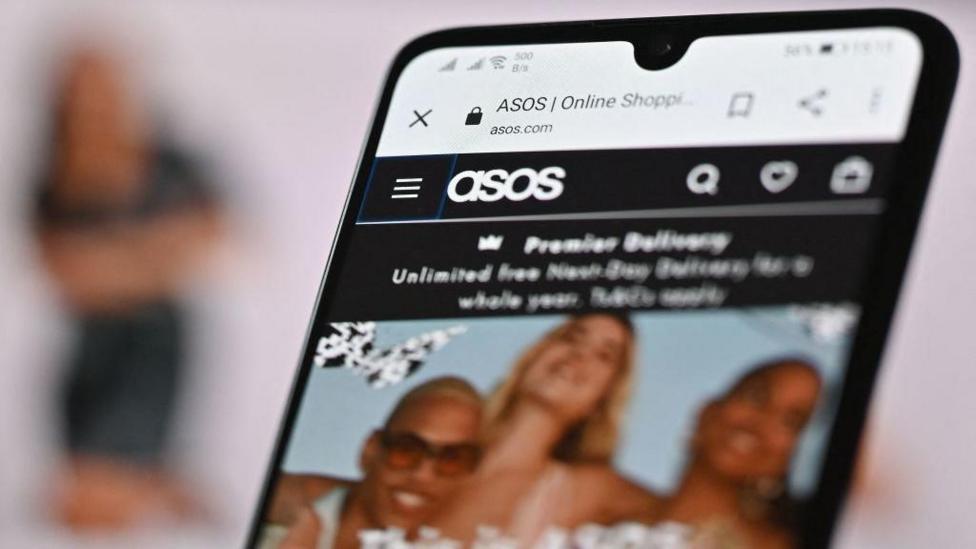
"I would buy pretty much anything that was trending,"she recalls. Her breakthrough came through radical intervention: she removed shopping applications including Asos and Pretty Little Thing from her phone, deleted ApplePay to eliminate one-click purchasing, and began leaving her bank cards at home during work days.

She restructured her daily habits to eliminate spending opportunities entirely.
"I would bring a packed lunch in and I would buy my train ticket on Trainline the night before... This basically put me in a habit of not spending a single thing and pre-planning my day to ensure I don't spend anything."She also implemented a matching rule: whenever tempted to purchase something, she would deposit an equivalent sum into savings or investments.
"It worked because I didn't want to spend the money twice."Now working as a financial planner, Dish has transformed her relationship with money.
What does research say about treatment?
Shopping addiction is increasingly recognised as a serious behavioural disorder requiring professional intervention. A 2026 diagnostic-criteria study recommends treating compulsive buying-shopping disorder as a behavioural addiction, with researchers calling for future field studies to use empirically informed diagnostic criteria to formally recognise the condition as a mental disorder.
Treatment approaches are evolving. A 2026 psychotherapy review found that cognitive behavioural therapy is the most researched intervention for compulsive buying-shopping disorder and appears helpful in reducing symptom severity. Treatment options may also include dialectical behaviour therapy, medication, or combinations thereof, according to specialist addiction services.
Practical steps to reduce spending urges
Both Ella and Dish's experiences, combined with expert guidance, suggest several evidence-based strategies:
- Wait 48 hours or longer before purchasing anything; the urge frequently subsides
- Remove saved credit card details and delete shopping applications from your devices
- Prepare a shopping list before entering a store or visiting a website, and adhere strictly to it
- Establish a small guilt-free budget for treats, or create an imaginary spending allowance
- Un from retailer newsletters and alerts; unfollow influencers who trigger spending impulses
- Use existing products fully before purchasing replacements; accessorise rather than buying complete new outfits
- Identify your personal triggers—loneliness, boredom, stress—and develop alternative coping mechanisms such as exercise or speaking with friends
- Seek professional support: Citizens Advice, Stepchange, Christians Against Poverty, and National Debtline all provide guidance on managing money problems
Where can people find help?
While the NHS does not currently offer a specific diagnosis for shopping addiction, broader mental-health services do provide addiction-related support. Specialist addiction treatment centres, including those operated by the Ukat Group, now offer counselling and therapeutic interventions tailored to compulsive shopping behaviour. Charities focused on financial wellbeing and debt management also provide accessible resources for those struggling with spending control.

What comes next for research and treatment?
The field of shopping addiction treatment is expanding rapidly. Researchers emphasise that further field studies are essential to establish formal diagnostic criteria and build evidence-based treatment protocols. Psychotherapy research continues to develop clearer guidance on the most effective interventions, with cognitive behavioural therapy emerging as the best-studied option to date. As awareness grows and more people seek help, specialist services are increasingly available through rehab centres and counselling providers rather than through scheduled policy changes at the national level.