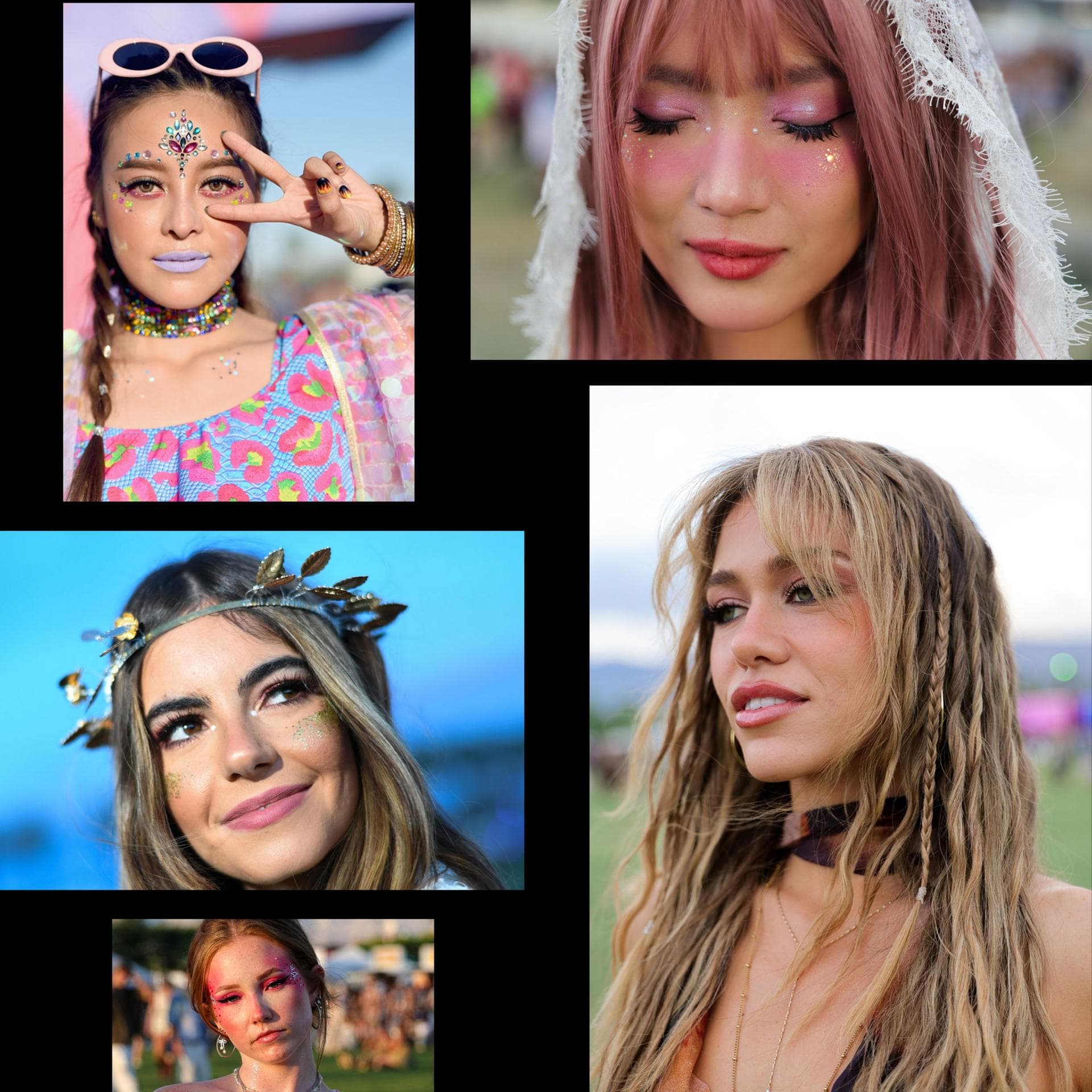
Festival season has arrived, with Reading and Leeds taking place from Thursday 27 August to Sunday 30 August across the Bank Holiday weekend. As attendees prepare for the main stage, neon eyeshadow, dramatic lip colours and holographic highlighter are among the defining beauty trends of 2026. However, cosmetics sold by third-party vendors on online marketplaces such as TikTok Shop can harbour harmful substances, according to warnings from the Chartered Trading Standards Institute. This guide explains how to achieve festival glamour safely while protecting your skin and health.
Recent changes to UK cosmetics regulations underscore the importance of product vigilance. According to Oxford Biosciences, 4-MBC was prohibited from 15 July 2026, and 16 substances newly classified as carcinogens, mutagens or reproductive toxins were prohibited from 15 August 2026. Products placed on the market before the 4-MBC ban may continue to be sold until 14 January 2027, meaning older stock could still contain restricted ingredients.
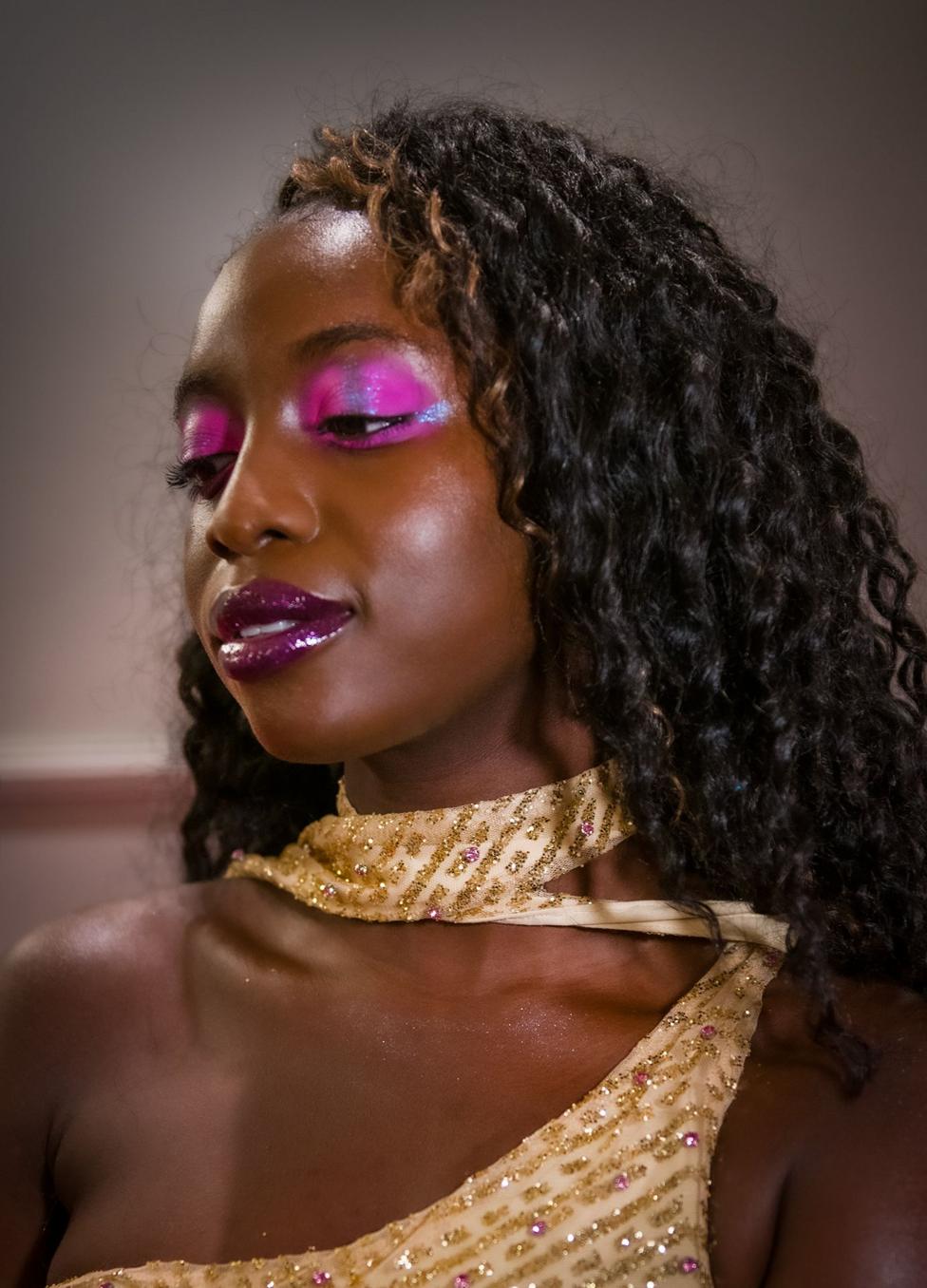
Making Eyes 'Pop' with Colour
To create an eye-catching look that commands attention on the festival grounds, apply a white eye pencil directly onto the eyelid skin before layering bright eyeshadows on top. This technique intensifies bold colours and extends wear throughout the night, according to Dominic Skinner, a make-up artist and judge on a popular television beauty competition who demonstrated the approach at the broadcaster's London offices.
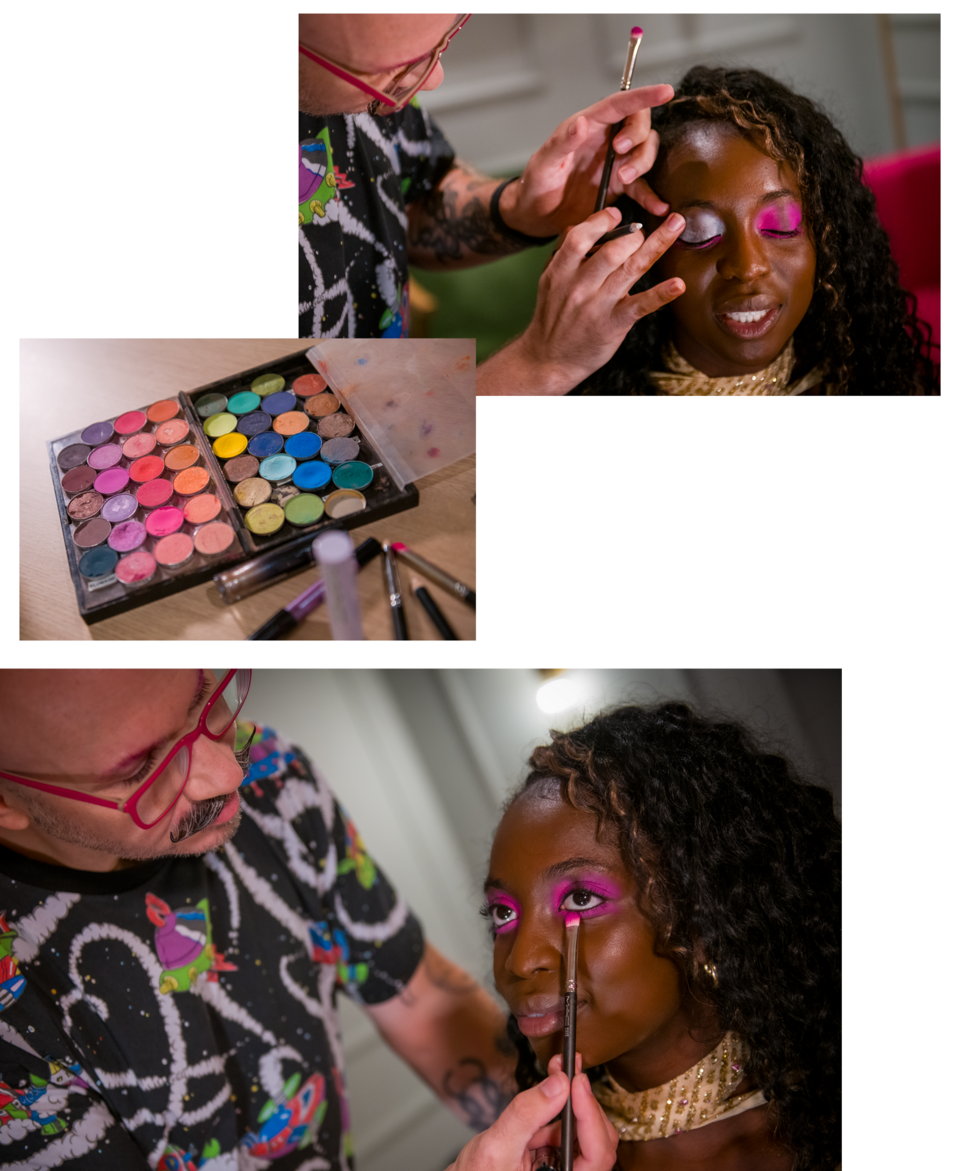
When selecting eyeshadow products, scrutinise labels carefully for warning signs of unsafe formulations. Avoid any cosmetics labelled as "not for cosmetic use," even if marketed for skin application. Certain banned colourants pose particular risks: Solvent Yellow 172, CI 45161 (Basic Red 1:1) and CI 45174 (Basic Violet 11:1) can trigger severe rashes and allergic reactions. Additionally, formaldehyde warning thresholds changed on 15 July 2026, with the limit lowered to 0.001% released formaldehyde according to Beauty Formulation, making it essential to check product specifications before purchase.
Skinner cautions against purchasing from unfamiliar sellers or choosing products based solely on price. Some manufacturers produce UV-reflective, glow-in-the-dark or neon items specifically marketed as "non-cosmetic paint" despite being cosmetic in function—a labelling loophole that can obscure harmful ingredients.
Adding Sparkle and Shine Safely
Fairycore aesthetics dominate festival beauty this year, emphasising sparkles, face gems and glitter as essential elements. The understated "no make-up look" and minimalist "clean girl" trend have given way to playful, child-like exuberance with bold colour and crystal embellishments. To maximise impact, Skinner recommends placing glitter in hair partings or across the shoulders rather than concentrating it solely on the face.
Gems offer distinct advantages over loose glitter: they are larger, create a more striking visual effect, and can be peeled away at the end of the night for reuse the following morning. However, safety must take priority when applying any sparkly products near the eyes.
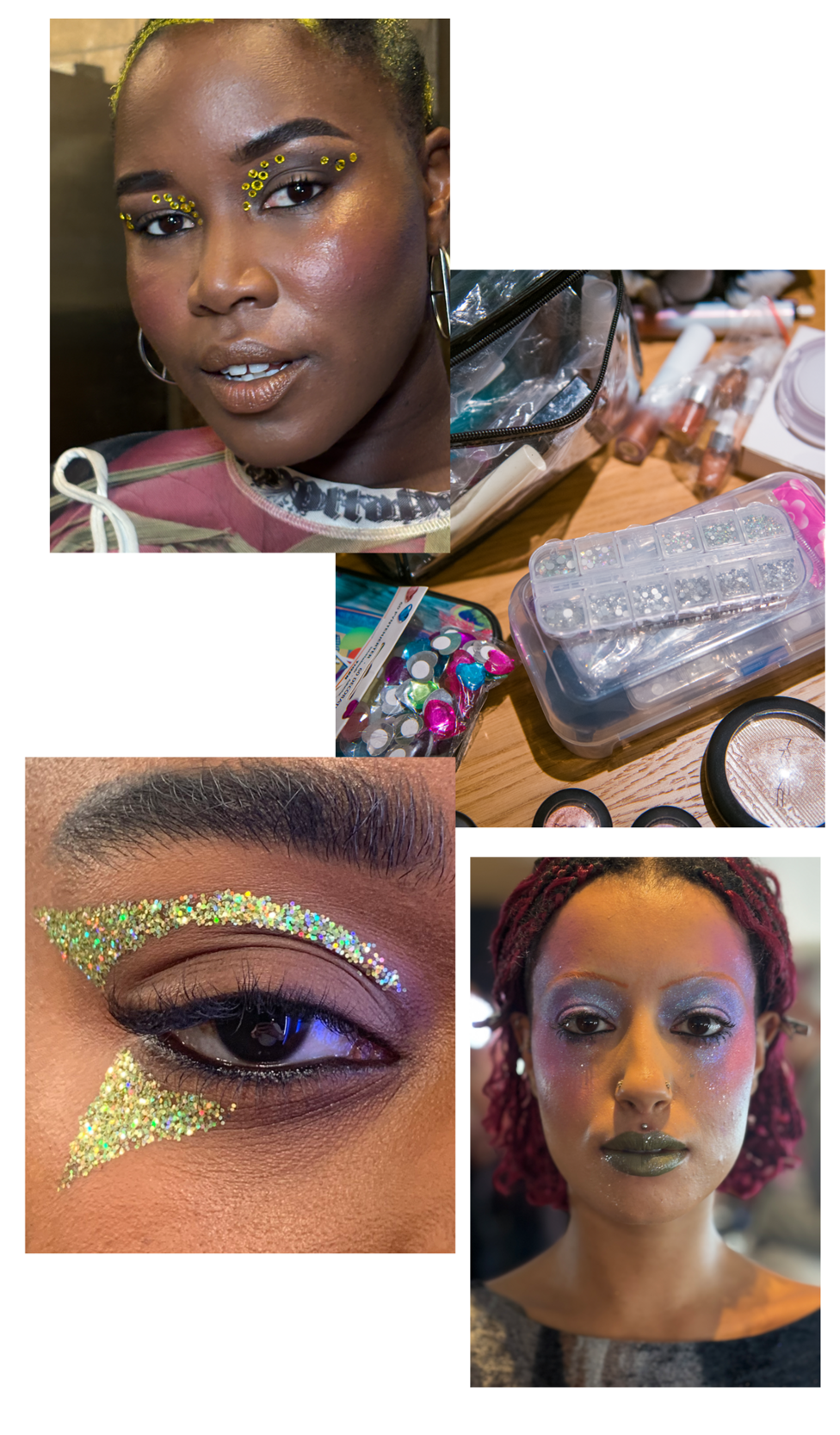
Dr Emma Wedgeworth of the British Skin Foundation emphasises that glitter applied close to the eye area risks corneal scratches and serious injury. Never use craft glitter, which lacks the safety standards of cosmetic-grade products. Instead, select biodegradable, eco-friendly glitter formulations that are gentler on skin and reduce environmental impact. Secure gems and glitter with safe adhesives such as lash glue, which will maintain the look throughout dancing and movement without causing skin irritation.

Creating Dramatic Lip Looks
Contemporary lip trends favour juicy, blurred textures that prioritise dimension over flat colour saturation. Dramatic dark red vampy lips offer a striking departure from the summer palette of soft pinks and peaches that dominated earlier months. Liquid lip products deliver superior longevity compared to traditional lipsticks, remaining intact through eating, drinking and social interaction without requiring frequent reapplication.
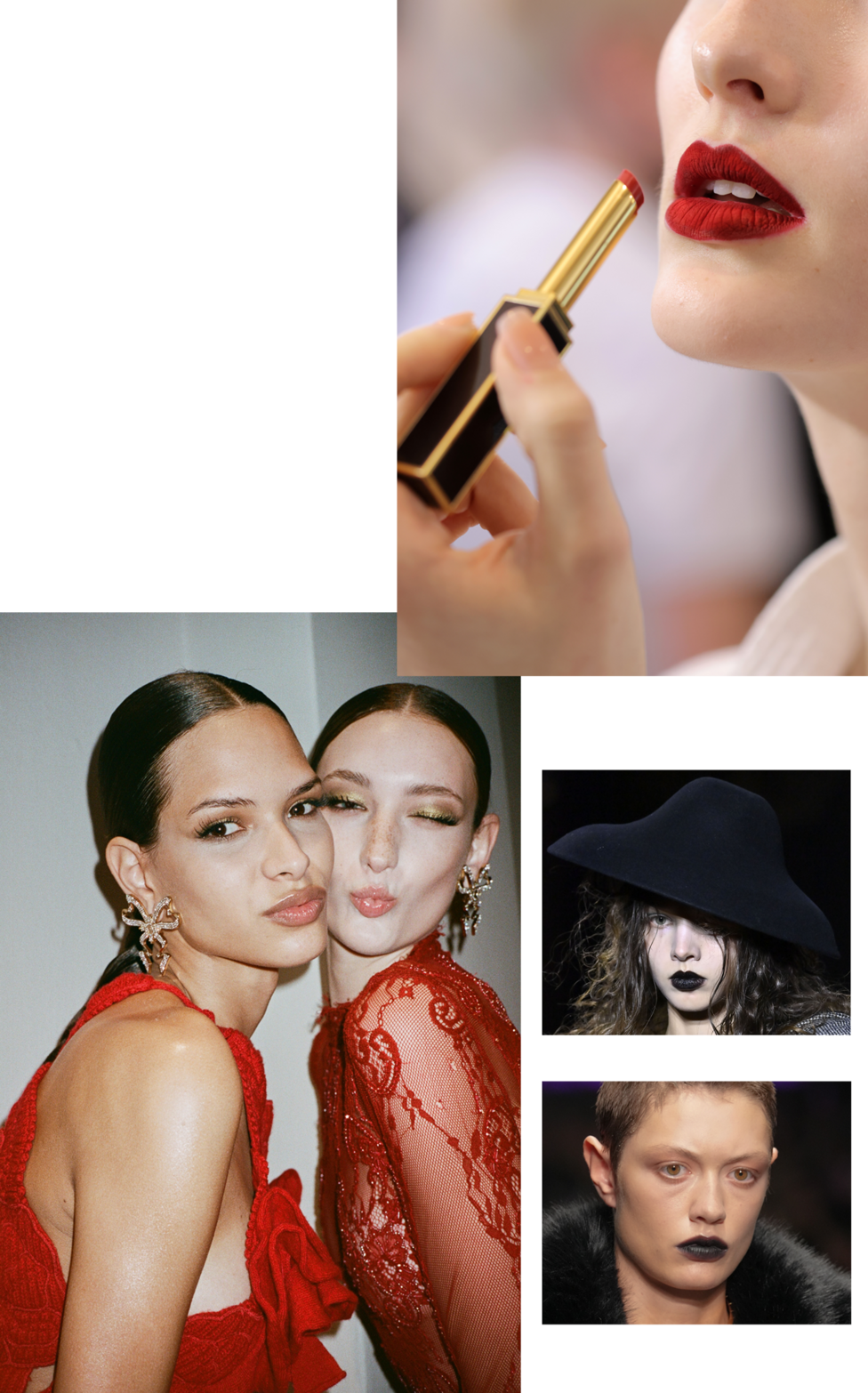
Skinner advises applying colour first, then adding lip liner as a final step. This sequence prevents the liner from emphasising imperfect application or uneven edges. Avoid sharing lip balms, lipsticks or other lip products with festival companions, as cross-contamination readily transmits infections including cold sores and other contagious conditions. Make-up artists follow strict sanitisation protocols between clients precisely because of these transmission risks.
Protecting Skin from Sun Damage
Sunburn undermines any festival beauty look and poses genuine health risks during extended outdoor exposure. Apply high-protection sunscreen with a minimum SPF 30 as a base layer before any make-up application, allowing it to absorb fully as you would a primer product. Skinner recommends selecting matte or sweat-proof SPF formulations that extend make-up longevity while providing essential protection.
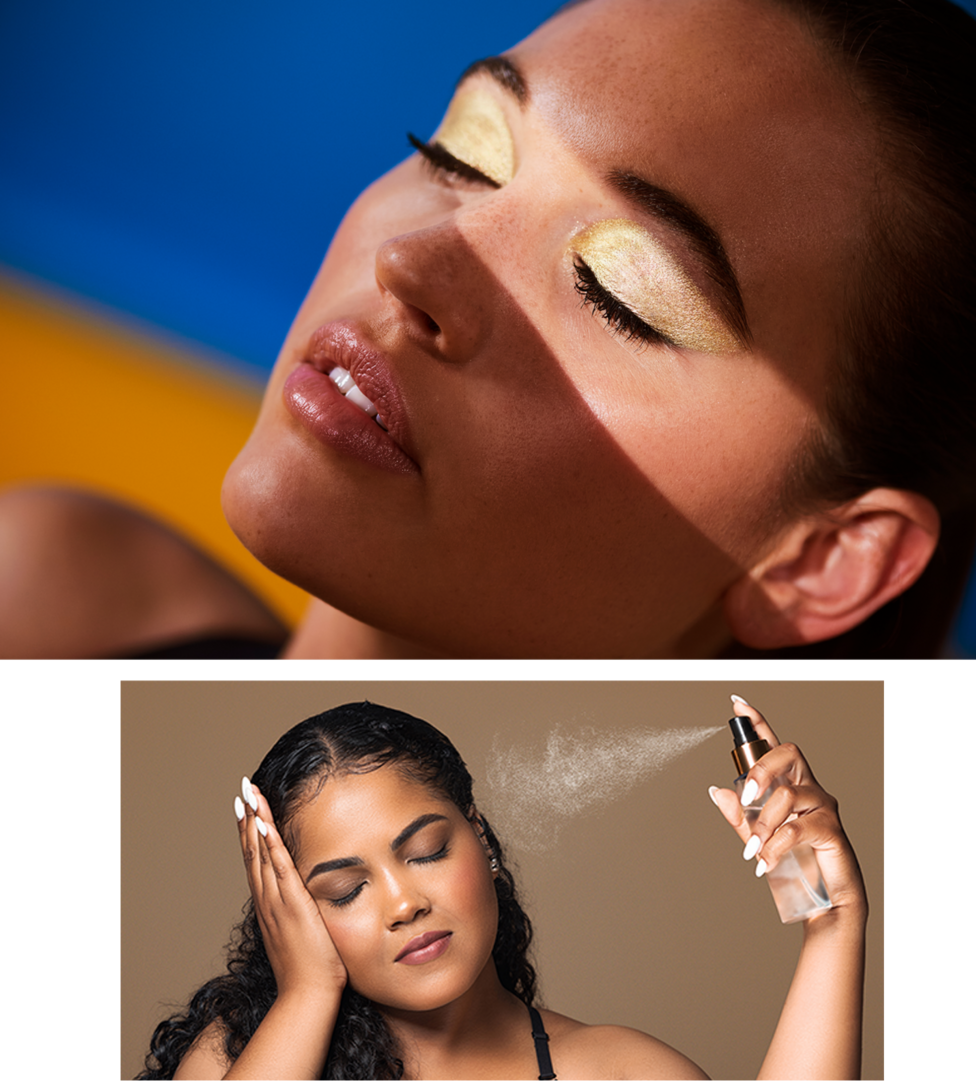
Reapply sunscreen every two hours throughout the day, paying particular attention to often-neglected areas including the hairline, scalp partings and the tops of ears. Spray sunscreens allow layering over completed make-up but frequently fail to provide adequate coverage due to application difficulty. Taking periodic breaks in shaded areas and wearing a wide-brimmed hat provides additional protective measures, according to Wedgeworth.
Hairstyles Built to Last
Festival hair must withstand hours of dancing, perspiration and movement without losing shape or style. Accessorising offers a practical approach to creating impact: scarves, crochet beanies, statement hair clips, decorative charms and cuffs transform even simple hairstyles into festival-ready looks. For longer hair, mermaid waves or thin baby braids provide textured, eye-catching options that maintain their form throughout the day.
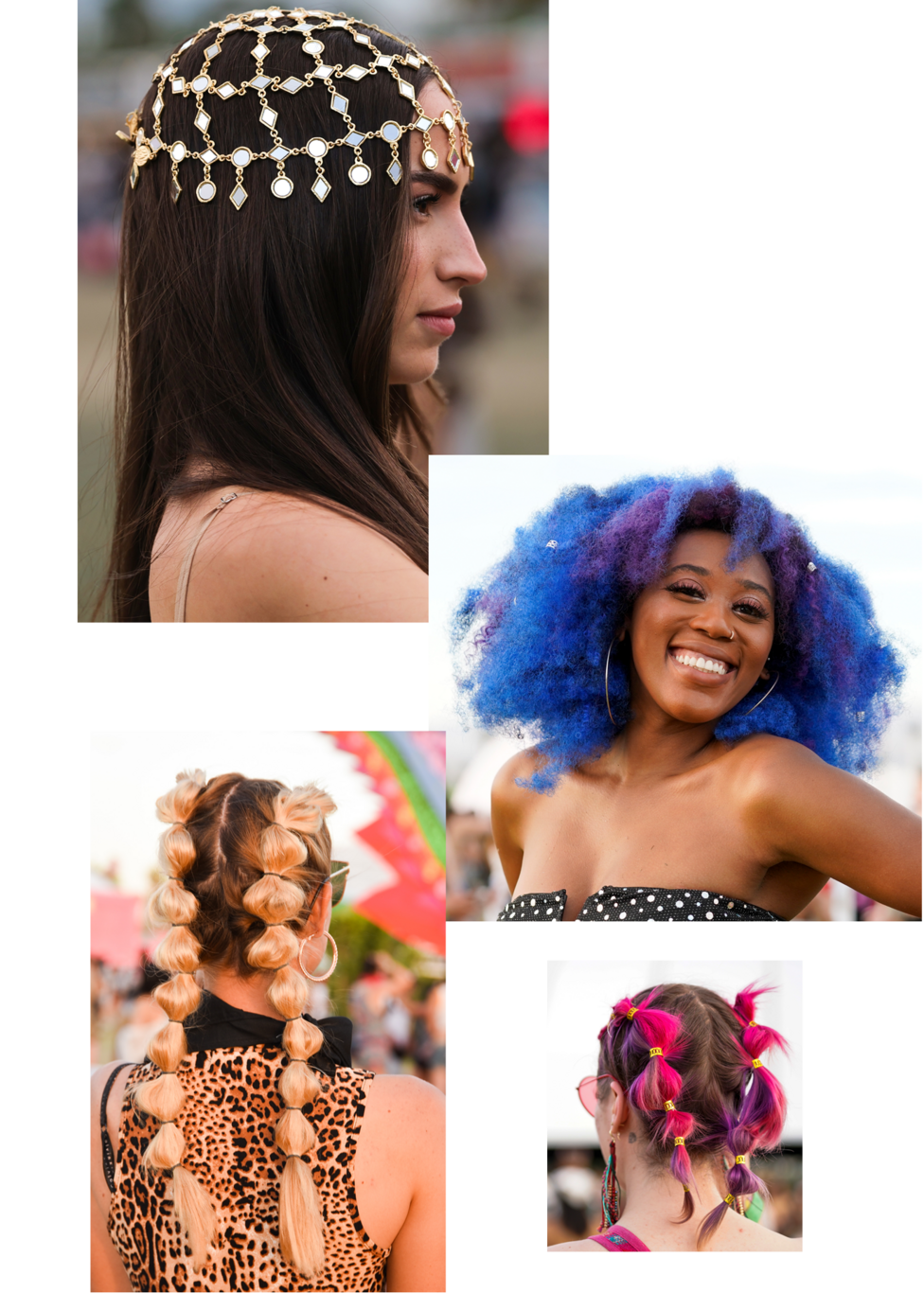
If you plan to use temporary hair colour sprays or dyes, conduct a patch test 24 to 48 hours beforehand by applying a small amount behind the ear or on the inner arm and monitoring for allergic reactions. Skinner notes that most people already possess products capable of creating a festival aesthetic—the key lies in creative application and willingness to experiment beyond everyday conventions.
What Happens Next
Stage times for Reading and Leeds 2026 were published on 19 August 2026, enabling attendees to plan their festival experience and coordinate their appearance accordingly. The festival runs from 27–30 August, providing a full four-day window for enjoying live music and performances. As a national broadcaster's coverage notes, the 2026 edition features a bumper lineup of six headliners, reflecting the scale and significance of this year's festival season.
By selecting verified cosmetic products, understanding current regulatory restrictions, and following expert application techniques, festival attendees can achieve striking beauty looks while safeguarding their health and skin integrity.