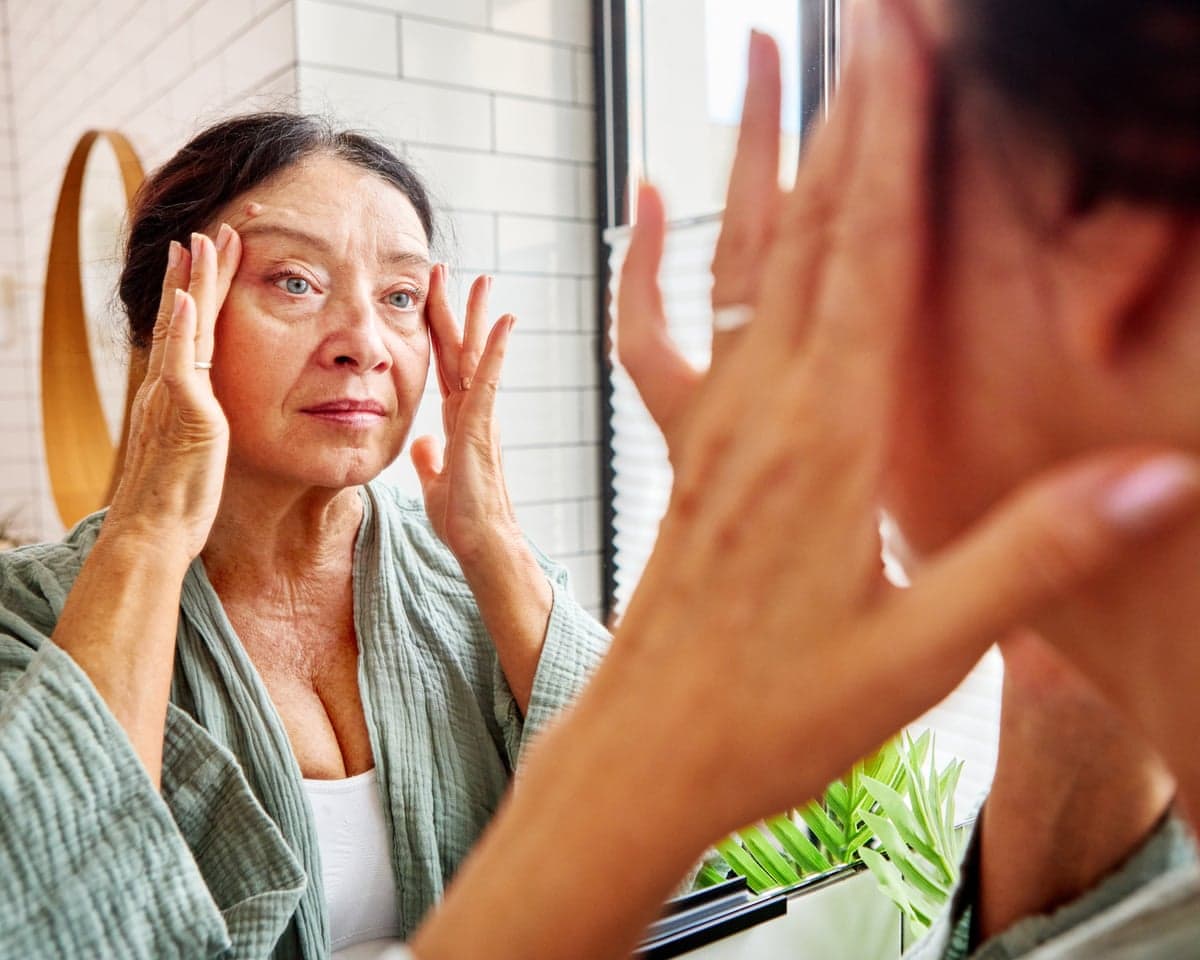
A pallid, washed-out complexion with dark circles under the eyes has become the latest health concern sweeping social media platforms. The condition, dubbed "ferritin face," has sparked widespread discussion about iron deficiency and its visible effects on appearance. However, medical experts caution that the term itself is not a recognised medical diagnosis, even though the underlying concern about iron levels deserves serious attention.
What Is Ferritin Face?
The term "ferritin face" describes a tired, sallow appearance characterised by pallor, dull skin, dark circles, dry skin, cracked lips, and a generally washed-out look. According to the New York Times, the phrase is influencer language that emerged from social media wellness discussions rather than medical literature. The name borrows from ferritin, a complex globular protein that stores iron in the body in its inactive form, but the visual appearance itself has no consistent medical definition.
The trend gained momentum during summer 2026 and has since spread across mainstream health coverage. Major news outlets including the Washington Post published explainers in mid-September 2026, indicating the discussion had moved beyond viral social media posts into serious health journalism.
Is There Any Scientific Basis?
While "ferritin face" is not a medical term with consistent diagnostic criteria, there is what experts describe as "a kernel of truth" underlying the trend. Low ferritin levels can indicate iron deficiency, and iron deficiency can produce visible changes to skin, hair, and nails. However, according to Medical Xpress, low ferritin does not create a distinctive facial appearance, especially outside cases of severe deficiency. The appearance of tiredness and pallor can stem from many causes unrelated to iron status, including poor sleep, stress, dehydration, and other medical conditions.
Ferritin testing can detect iron deficiency before anaemia develops, which makes early screening valuable for people at risk. However, self-diagnosis based on appearance alone is unreliable and potentially dangerous, as it may delay identification of serious underlying causes of fatigue or pallor.
What Is Iron Deficiency, and When Should You Worry?
Iron deficiency occurs when the body lacks sufficient iron to produce adequate haemoglobin, the protein in red blood cells that carries oxygen. If left untreated for an extended period, severe iron deficiency can progress to anaemia, which may cause tachycardia, breathlessness, chest pain, and heart complications.
True anaemia produces symptoms far more serious than a tired appearance. Fatigue and breathlessness are common, alongside headaches, dizziness, heart palpitations, and loss of concentration. These symptoms warrant immediate medical attention, not self-treatment based on social media advice.

How Is Iron Deficiency Actually Diagnosed and Treated?
If you experience symptoms of anaemia, a GP will order blood tests to measure ferritin levels and investigate the underlying cause of iron deficiency. The reason matters greatly: iron loss can result from heavy menstrual periods, gastrointestinal bleeding, dietary insufficiency, or in rare cases, serious conditions such as cancer. Treatment depends on the cause.
For many people, iron deficiency can be managed through dietary changes. Meat and green leafy vegetables are good sources of iron. Iron supplements in tablet form are the standard first-line treatment. In some cases, particularly when oral supplements are ineffective or poorly tolerated, intravenous iron infusions may be recommended. These infusions can cost around £800 per treatment, making them a significant expense.
What Do New Medical Guidelines Say?
In September 2026, the American Society of Hematology updated its guidance on ferritin thresholds for diagnosis. The new recommendations set ferritin levels of 30 ng/mL or lower as indicative of deficiency in adults, menstruating individuals, and pregnant people, with 50 ng/mL or lower for some high-risk groups. These updated thresholds reflect evolving understanding of iron metabolism and may lead to earlier identification of deficiency in vulnerable populations.
Should You Be Concerned About Your Appearance?
Looking tired or pale does not automatically mean you have iron deficiency or "ferritin face." Many people experience temporary pallor or dark circles due to poor sleep, stress, allergies, or normal variation in skin tone. Self-diagnosis via social media videos is unreliable and can lead to unnecessary anxiety or, conversely, delay recognition of genuine health problems.
If you genuinely suspect iron deficiency—because you experience persistent fatigue, breathlessness, dizziness, or other symptoms of anaemia—consult a GP. A simple blood test can determine your ferritin and iron levels and reveal any underlying cause. This approach is far more effective than attempting to diagnose yourself based on your reflection in the mirror.
The Broader Pattern of Social Media Health Trends
The "ferritin face" phenomenon reflects a wider pattern in which social media wellness discussions amplify health concerns, sometimes with limited scientific grounding. While awareness of iron deficiency is valuable—particularly given that it affects many women—the specific claim that a particular facial appearance reliably indicates low ferritin is not supported by medical evidence. Health information shared on social platforms should always be verified against professional medical guidance before acting on it.
The key distinction is between recognising that iron deficiency exists and can have health consequences, and believing that you can diagnose it from your appearance alone. The former is sensible health awareness; the latter is the kind of self-diagnosis that can lead to unnecessary treatment or, worse, overlooking a serious underlying condition that requires proper investigation.