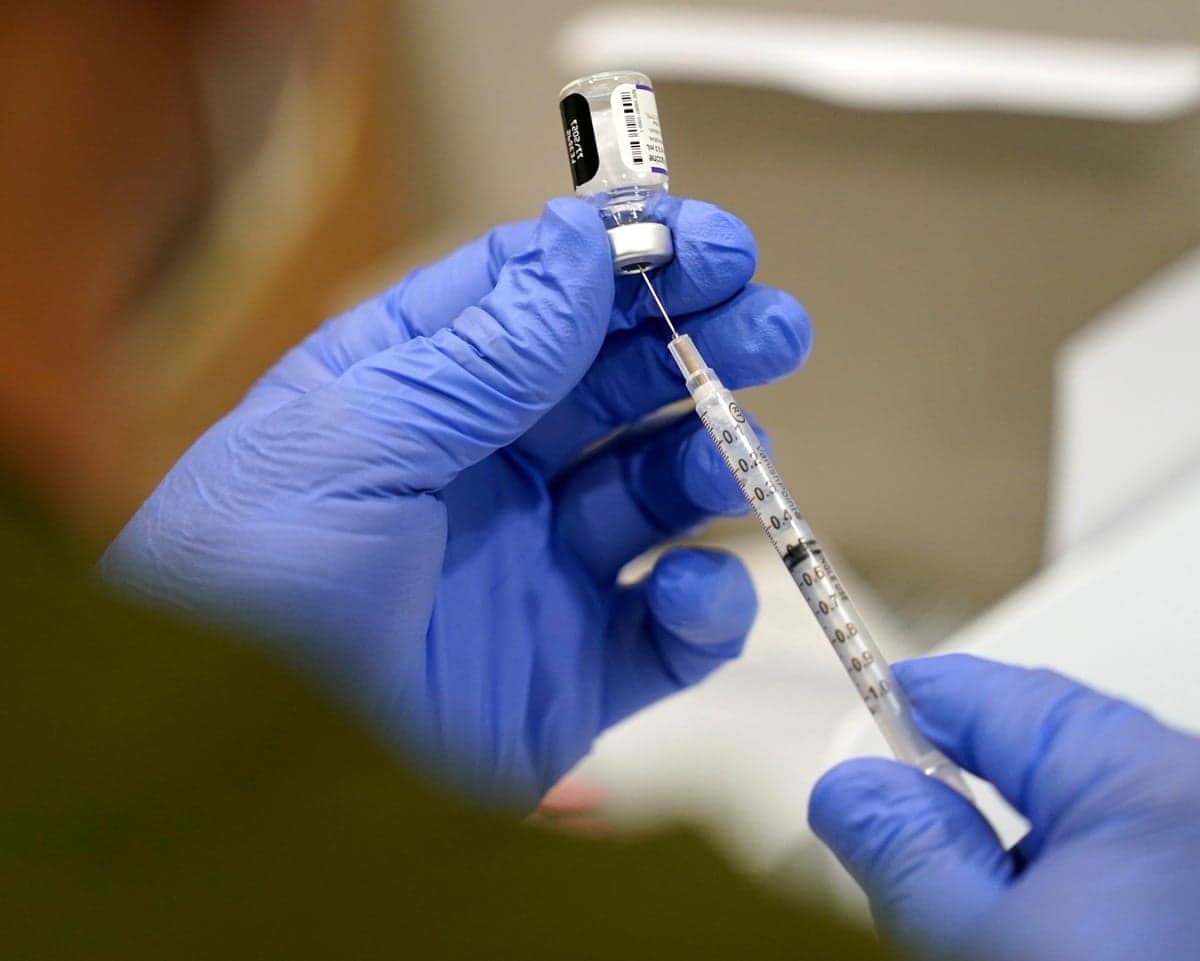
The US Food and Drug Administration granted approval on Thursday for updated Covid-19 vaccines formulated to combat the dominant XFG variant, clearing the way for manufacturers to distribute doses to pharmacies and medical offices nationwide.
The agency authorized vaccines from Moderna, Novavax-Sanofi, and Pfizer-BioNTech following an advisory panel recommendation that the immunizations should be engineered to target the XFG variant. According to Pfizer's announcement, its XFG-adapted vaccine will begin shipping immediately and reach pharmacies, hospitals and clinics across the country within days. Moderna confirmed that its approved formulations—Spikevax and mNexspike—are ready for distribution, with Spikevax approved for ages six months through 64 with underlying conditions and anyone 65 or older, while mNexspike covers ages 12 through 64 with underlying conditions and anyone 65 or older.
All three manufacturers had previously indicated they would have the updated formulation ready for the 2026-27 immunization season. FDA documentation showed Moderna was prepared to supply the recommended vaccine composition by mid-August 2026, demonstrating the industry's ability to pivot quickly to new variant-specific formulations.
Who is eligible for the updated vaccines?
The newly approved vaccines are authorized for individuals aged 65 and older, as well as younger people with underlying medical conditions that increase their vulnerability to severe Covid-19 outcomes. Age eligibility for younger individuals with such conditions varies by manufacturer: Moderna's shot is approved for children older than six months, Pfizer-BioNTech's vaccine for those age five and older, and Novavax-Sanofi's for those 12 and up.
Why is insurance coverage still uncertain?
Confusion persists regarding which patients will have their vaccine costs covered by insurance. Last fall, the CDC moved away from recommending Covid vaccines universally, instead adopting what it describes as
individual-based decision makingfor immunization recommendations. This shift created ambiguity about eligibility that has carried into the current season.

The situation has been complicated further by the absence of a functioning CDC vaccine advisory panel. The panel has been unable to meet since a March ruling blocked health secretary Robert F Kennedy Jr's appointment of a slate of vaccine advisors. Insurers are typically required to cover vaccines that receive formal CDC panel recommendations, but uncertainty remains about what coverage decisions will look like if no official recommendation emerges for the 2026-27 season.
It remains unclear whether the administration will issue updated recommendations for the 2026-27 immunization season, leaving both healthcare providers and insurers in a holding pattern regarding coverage obligations.
What do current Covid-19 trends show?
CDC dashboards tracking current Covid-19 activity through testing and wastewater monitoring indicate that activity levels remain low overall, though cases have been rising in recent weeks. The FDA identified XFG as the preferred JN.1-lineage variant for the updated monovalent vaccine, a determination based on epidemiological surveillance and variant prevalence data.
Pfizer's clinical data demonstrated that its XFG-adapted shot generated strong immune responses against multiple variants including XFG, XFG.1.1, NB.1.8.1, PQ.17 and PQ.2.8.1, providing protection across a spectrum of circulating strains.
What happens next?
Pharmacies had already begun pre-booking doses in anticipation of manufacturer readiness, with availability expected to expand rapidly following the approval. Shipments were anticipated soon after the August 26 approval, positioning the updated vaccines for widespread availability as the fall 2026 immunization season begins. The FDA's 2026-2027 formula guidance applies to use in the United States beginning in fall 2026, aligning with the traditional timing of respiratory virus vaccination campaigns.
Healthcare providers and public health officials will need to navigate the ongoing uncertainty around CDC recommendations and insurance coverage as they prepare to administer the new formulation to eligible populations.