Hundreds of families report enduring prolonged waits—sometimes stretching years—before receiving a formal dementia diagnosis for a loved one, according to a new survey by the Alzheimer's Society charity. These delays carry serious consequences, affecting not only the person with dementia but also their carers' employment, finances and mental wellbeing.
The Alzheimer's Society is pressing for a national standard guaranteeing an accurate diagnosis within 18 weeks of GP referral to a memory clinic. This would align dementia with other serious health conditions, notably cancer, which already benefit from faster diagnostic pathways.
Research published by the Alzheimer's Society in May 2026 found that people wait an average of 3.5 years from first symptoms to diagnosis, with almost six months of that occurring after GP referral to a memory clinic. More recent parliamentary analysis shows the situation has worsened: the average wait from referral to diagnosis rose from 13 weeks in 2019 to 22 weeks in the latest figures.
How long are families actually waiting?
In the Alzheimer's Society survey, more than a thousand families and carers revealed that nearly half waited longer than six months for an accurate diagnosis following their initial GP appointment. A 2025 audit found the average wait from referral to diagnosis in England and Wales had reached 17.7 weeks, with individual cases ranging from zero to 104 weeks.
However, progress is possible. A London NHS evaluation published in June 2026 found memory services there were working to an 18-week referral-to-treatment pathway, with average referral-to-initial-diagnosis waits of 8.8 weeks and 38% diagnosed at the initial assessment.
What impact do delays have on families?
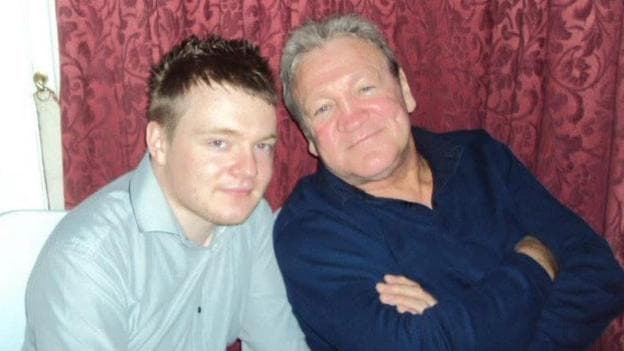
Michael Fethon's experience illustrates the human cost. His father, Jim, waited 18 months from their first GP appointment before receiving an Alzheimer's disease diagnosis at age 69 in 2022. The prolonged uncertainty forced Michael to abandon his career to become his father's full-time carer.
I think my dad felt beside himself because he was experiencing symptoms. It wasn't just memory loss.Michael describes how his father's condition deteriorated during those 18 months—struggling to drive, manage shopping, and eventually to walk.
It almost spiralled in that 18 months of his condition, gradually getting worse. If we'd have had a diagnosis sooner, he could have started medication sooner, and whilst the medication doesn't cure dementia, it acts to sort of slow it down and eliminate the severity of it.

Keith and Sue Andrews faced a similar ordeal. The couple, who first met at 15 and have been married for 57 years, endured almost a year waiting for Sue's diagnosis. Sue's condition has since deteriorated significantly, and she now lives in a care home.
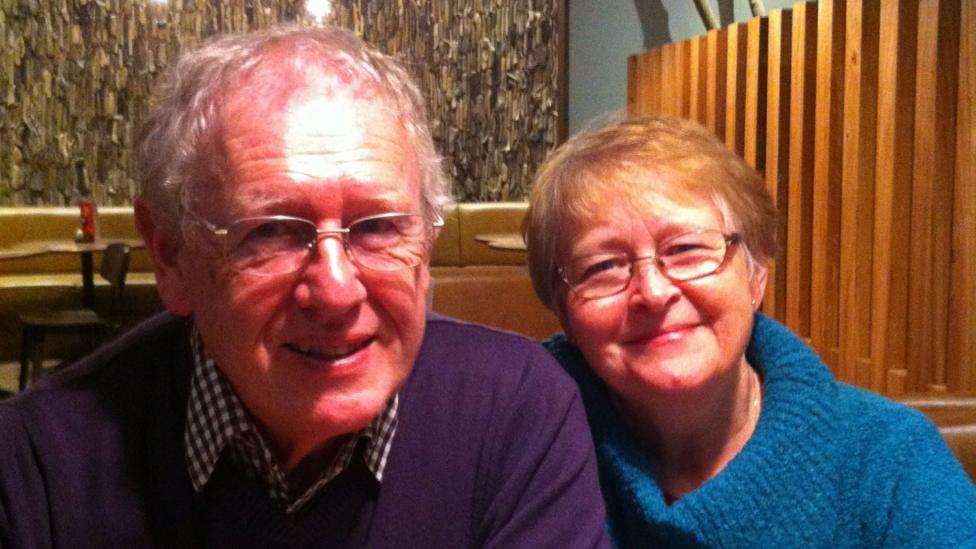
Keith describes the difference a diagnosis made:
I won't say it's easy, but you know where you're going, and you know where you're heading and you feel a lot more confident in what you're doing. Because you know you're doing the right thing, but before that diagnosis, you don't know if you're doing the right thing or what to do even. And it's a horrible time, a horrible time.
Nine out of ten families surveyed reported that a formal diagnosis made at least one aspect of their lives easier. Benefits included better understanding of symptoms and behaviour, improved support for the person living with dementia, easier access to information, and more effective communication with healthcare professionals.
Why does diagnosis matter so much?
Michelle Dyson CB of the Alzheimer's Society emphasises that diagnosis enables families to access crucial support and plan ahead.
Too many families spend months, and sometimes years, waiting for answers while their dementia progresses. It is like trying to plan a journey without knowing where you are going or when you will arrive. You would never accept someone being diagnosed with cancer and then left to work out the next steps on their own.She added:
Dementia does not wait, and neither should diagnosis.
Yet the current system leaves many without support after diagnosis. The Alzheimer's Society's 2026 report found that one in five people received no support at all following their diagnosis, highlighting a critical gap in post-diagnostic care.
What is the government doing?
A Department of Health and Social Care spokesperson stated:
This Government is determined to strengthen the support that is available both to individuals affected by dementia, and the family members who look after them. We are bringing forward the timetable for Baroness Casey's commission on reform of the social care system, and we are appointing a new dementia tsar to help lead our work in that area, as recommended by Baroness Casey. We are also implementing a new action plan for unpaid carers to ensure that they receive the support and recognition they deserve for the selfless work they do.
In 2025, the government set an ambition for more than 92% of patients to be diagnosed within 18 weeks by 2029, up from less than half currently meeting that target. Parliament's library noted that a government interim product on the dementia and frailty modern service framework was expected in September 2026.
What happens next?
The Alzheimer's Society is campaigning for a new national goal across England, Wales and Northern Ireland to diagnose people at an early stage and ensure no one waits longer than 18 weeks from referral to diagnosis. The Society's Annual Conference 2026 is scheduled for September, where these issues are expected to feature prominently in discussions about dementia care reform.
Key Facts
- Nearly half of surveyed families waited more than six months for a dementia diagnosis after their first GP visit
- The average wait from referral to diagnosis has risen from 13 weeks in 2019 to 22 weeks in recent figures
- Nine out of ten families said a formal diagnosis made at least one aspect of their lives easier
- One in five people received no support at all after receiving a diagnosis
- The government aims for 92% of patients to be diagnosed within 18 weeks by 2029