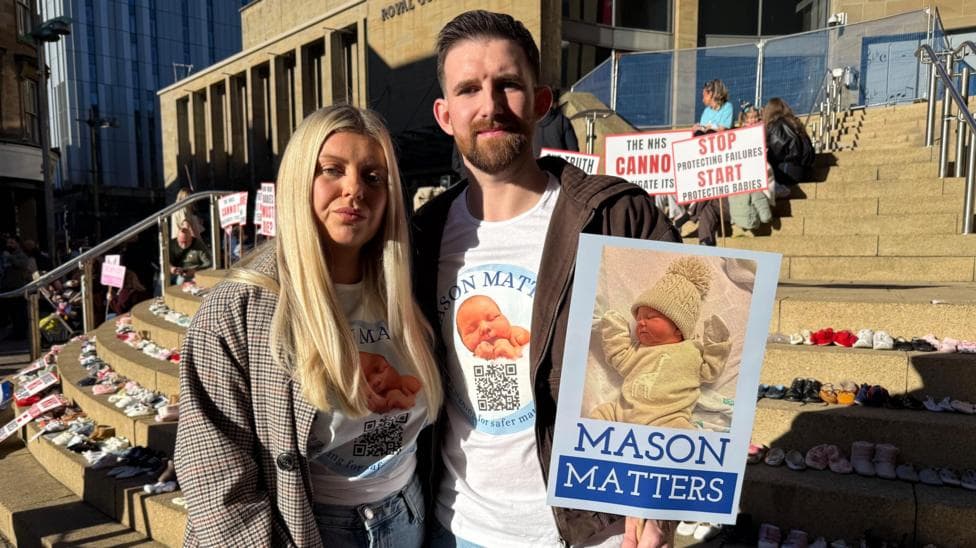
Bereaved parents gathered in Glasgow city centre to demand a public inquiry into maternity care failures across Scotland, arguing that an independent review announced last month will not provide the accountability they seek. According to BBC News, families who have lost babies and mothers are calling for "answers, accountability and justice" as a nine-month independent review of Scotland's maternity services gets underway following a BBC Disclosure investigation into poor and sometimes deadly care.
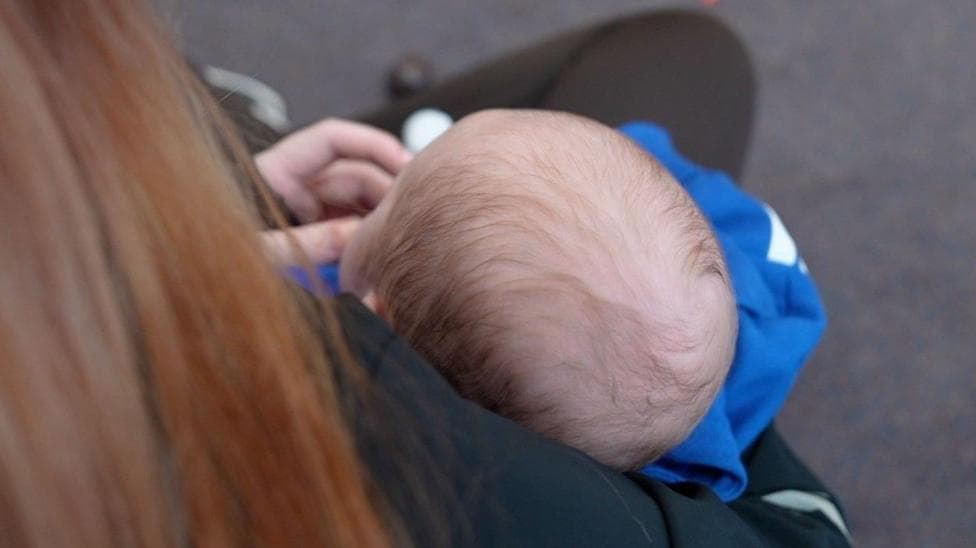
The campaigners include Julie Keegan and Angus McLean, whose three-day-old son Mason Scott McLean died at the Queen Elizabeth University Hospital (QEUH) in Glasgow in 2023 after a series of errors in his care. An internal review by NHS Greater Glasgow and Clyde identified "several systematic issues" that may have caused his death, including missed key tests that would have indicated he had a life-threatening infection. The health board apologised for "missed opportunities" for care and said it had taken action on the review's recommendations.
Despite the apology, the couple said they were still seeking answers to questions raised almost four years ago. Angus told BBC Scotland News:
"We want accountability and an independent public inquiry to find out how many of these babies could have been saved. This is the only thing we can do now for Mason to honour him because he should still be here and we want to find out why he is not."
Julie, who works as an NHS intensive care nurse, expressed frustration that families must fight for answers.
"I want to know why my child was allowed to die from failure after failure after failure,"she said, adding that the current review would be insufficient.
"The review is only forward looking, it is not going to look at the past and does not dig deep on the hundreds of babies who have lost their lives."
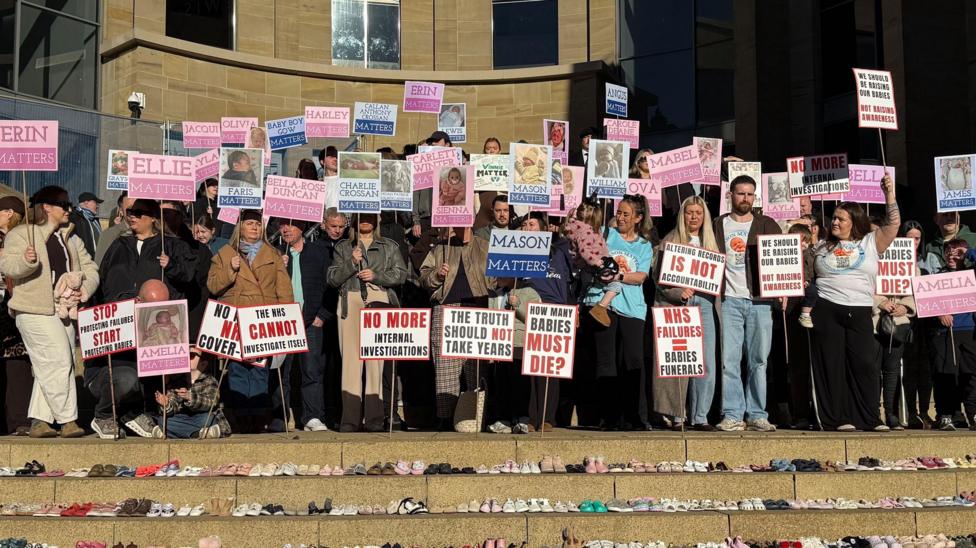
What is the scope of the current review?
The independent review, chaired by Professor Christine McCourt of City St George's at the University of London, will examine systemic failings in maternity services but will not investigate individual cases. However, Professor McCourt has indicated the review will use families' experiences to identify broader lessons, including whether parents receive honest explanations and support. Her findings and recommendations are due to be submitted in July 2027.
Health Secretary Angela Constance said:
"One of my first acts as health secretary was to establish the independent review of maternity services and I am fully committed to ensuring lasting improvements are made. I have been clear that the voices and experiences of families must be central in informing the review. A forward-looking and improvement-focused independent review will identify the systemic changes needed now to strengthen services and achieve better outcomes for women, babies and families."
The review will focus in particular on services in Caithness, Elgin and Wigtownshire, and examine disparities in maternal outcomes, including higher maternal mortality rates among Black and Asian women. Additionally, Healthcare Improvement Scotland has published findings from recent maternity-service users highlighting staffing pressures, communication gaps, waiting times and weak postnatal support.
What systemic issues have been identified?
Unannounced inspections of all 18 maternity units in Scotland have been ordered following a review into spikes in newborn baby deaths. Common themes emerging so far include staffing shortages, delays in care to pregnant women, and issues around investigations when things go wrong. A BBC investigation reported 143 maternity-related Significant Adverse Event Reviews since 2020, including 44 in NHS Greater Glasgow and Clyde.
What are families' concerns about the review process?
Lori Quate, who lost his wife and child within 24 hours in 2020, expressed deep concerns about whether the review would lead to meaningful change. His wife Jacqui was given medication to bring on labour a week before she was due to give birth after being told their daughter had died in the womb. She suffered cardiac arrest at Ninewells Hospital in Dundee and died two hours later from an amniotic fluid embolism, a rare and life-threatening emergency. The following day, Lori discovered his wife had been given eight times the recommended dose of the drug to bring on labour.
"A lot of these end up with a placation of 'lessons will be learned' but nothing ever changes and it goes back to square one again,"Lori said.
"It should be about making sure these avoidable deaths are unavoidable and talking to families which these mistakes have impacted."He acknowledged that the process could be exhausting and take its toll, but said he wanted to persevere and continue to give his voice.
What is the history of maternity care investigations in Scotland?
This is not the first time Scotland's maternity services have faced scrutiny. A 2017 review of maternity care followed a BBC investigation into baby deaths at Crosshouse Hospital in Kilmarnock. More recently, a 2024 report on Ninewells Hospital inspections identified patient-safety concerns including staffing shortages and delays in assessing expectant mothers, which led to the decision to conduct independent inspections of maternity units across the country.
What happens next?
Professor McCourt is scheduled to submit the review's findings and recommendations in July 2027. The campaigning families have made clear they will continue to press for a full public inquiry into past deaths and failures, arguing that a forward-looking review alone cannot provide the accountability they believe is necessary to prevent future tragedies and honour those who have been lost.