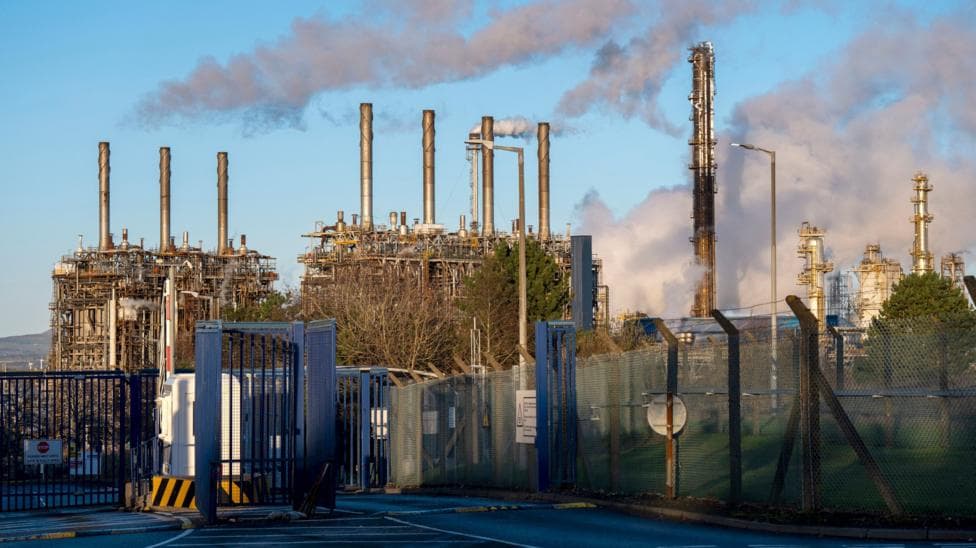
Petrochemicals giant ExxonMobil Chemical Limited has been ordered to pay £267,000 following safety breaches at its Mossmorran facility in Fife. The company pleaded guilty at Kirkcaldy Sheriff Court on 25 August 2026 to failures that allowed five separate releases of extremely flammable hydrocarbons between February 2018 and September 2019. The Health and Safety Executive (HSE) investigation revealed that corroded piping at the Fife Ethylene Plant near Cowdenbeath had permitted the escape of dimethyl sulphide and ethane—substances irritable to the eyes and harmful if ingested—while workers remained on site.
The company had been aware of one pipe leaking these substances for approximately four months without taking corrective action. An HSE inspector noted that the firm was fortunate the leaks did not culminate in a "catastrophic event", emphasising that the outcome depended on good fortune rather than sound management practices.
How were the leaks discovered?
A routine inspection in May 2019 uncovered the initial leak. During that inspection, HSE officials were informed by a worker that dimethyl sulphide and ethane had been escaping from the pipe since January 2019. Further investigation established that a "pinhole leak" on the same dimethyl sulphide line had actually been detected in February 2018, yet approximately four months elapsed before repairs were completed.
A separate ethane leak on another pipe was discovered in December 2018 by a worker by chance. This leak, caused by corroded cladding, persisted for approximately six weeks and resulted in an estimated 82 tonnes of hydrocarbons escaping into the atmosphere. Two additional pinhole leaks were subsequently identified on an inlet line and an overhead line in June and September 2019 respectively.
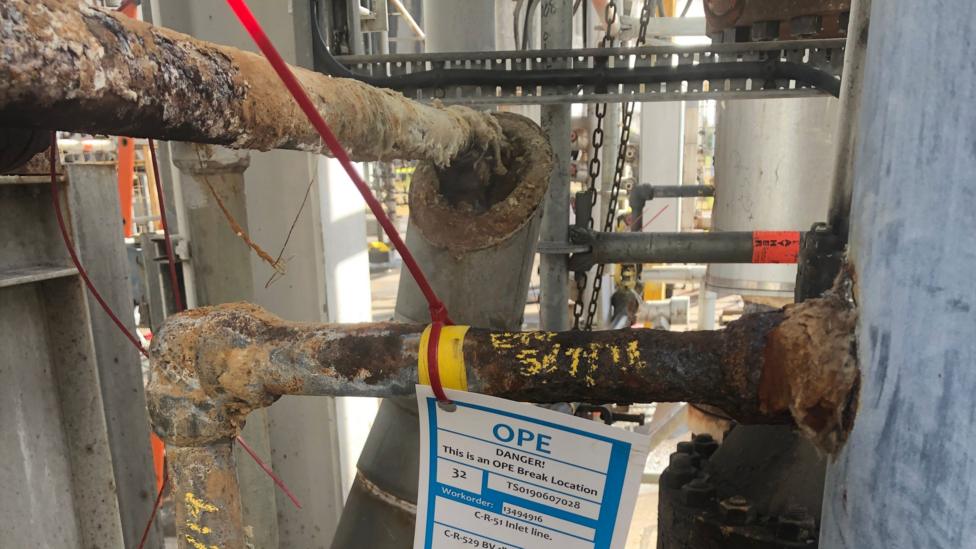
What did testing reveal about the piping?
X-ray imaging and other testing of the pipework demonstrated that it had "corroded below its safe minimum thickness". The HSE's assessment found that the company's arrangements for detecting and preventing corrosion were "woefully inadequate", particularly given the high-hazard nature of the operations involved.
What did the HSE inspector say?
Inspector Lindsey Stein stated that ExxonMobil's failure to properly inspect insulated pipework "beggared belief".
The failure of ExxonMobil to properly inspect insulated pipework led to five separate leaks of highly flammable hydrocarbons, and while none of these leaks resulted in a catastrophic event, this was down to good fortune rather than good management. The arrangements in place to detect and prevent corrosion were woefully inadequate, and the consequences could have been far more serious.

Stein emphasised that systematic risk management is both best practice and a legal obligation in high-hazard operations where margins for error are minimal.
Systematic risk management isn't just best practice, it's a legal duty, precisely because these are high-hazard operations where the margin for error is minimal. In its simplest terms, process safety is about keeping hazardous substances where they belong: inside the pipes, not in the atmosphere.
How has ExxonMobil responded?
An ExxonMobil spokesperson confirmed that the company had complied with all HSE notices and made the required repairs.
We have accepted responsibility and resolved a matter relating to historical corrosion under insulation (CUI) issues at Fife Ethylene Plant between 2018 and 2019. We accept full responsibility for the failures identified and have since made significant changes to how we inspect and manage corrosion risk across our operations.The company also stated that no workers, contractors, or members of the public faced risk from the leaks.
What is the history of enforcement at the site?
This penalty follows a previous fine imposed on ExxonMobil for separate violations. The company was fined £176,000 in 2025 following an investigation into flaring offences that occurred in April 2019. ExxonMobil stated it had implemented improvements in both elevated and ground flares since that incident.
The pattern of enforcement actions reflects broader challenges across the UK petrochemical sector. Essar's Stanlow refinery in Cheshire admitted nearly 500 environmental breaches between 2018 and 2020, including cyanide discharges into local waterways, while the Environment Agency is considering legal action against Huntsman Polyurethanes in Teesside over benzene emissions.
What is happening to the Mossmorran facility?
ExxonMobil ceased production at the Mossmorran plant on 2 February 2026, citing unsustainable losses of approximately £1 million per week. The company announced that around 90 roles would be retained until the first quarter of 2028 to support decommissioning and dismantling activities. A full decommissioning process is expected to be completed by early 2028, marking the end of operations at a facility that had been in production for 40 years.
What happens next?
Decommissioning and dismantling work at the site will continue through to early 2028. The retained workforce is scheduled to remain in place until the first quarter of 2028 to oversee the shutdown operations. No further enforcement actions have been announced, though the HSE's findings underscore the importance of rigorous corrosion management in chemical processing facilities.
Key Facts
- ExxonMobil Chemical Limited was fined £267,000 at Kirkcaldy Sheriff Court on 25 August 2026 for safety breaches involving five leaks of extremely flammable hydrocarbons
- The leaks occurred between February 2018 and September 2019 at the Fife Ethylene Plant near Cowdenbeath, with one leak lasting approximately four months before repair
- An estimated 82 tonnes of hydrocarbons escaped into the atmosphere during one incident caused by corroded cladding
- The company had previously been fined £176,000 in 2025 for flaring offences at the same facility
- Production at Mossmorran ceased on 2 February 2026, with decommissioning expected to conclude by early 2028