
England's schools will undergo their most significant dietary transformation in over a decade, with deep-fried food prohibited and fresh produce requirements substantially increased under new government standards taking effect from September 2027.
The overhaul mandates higher fibre and wholegrain consumption, introduces nutrition rules for breakfast clubs for the first time, and requires schools to publish menus and food policies online. The Department for Education framed the changes as addressing childhood obesity, enhancing nutritional intake, and supporting children's concentration, learning and overall wellbeing.
Education Secretary Lucy Powell described the reforms as
"once-in-a-generation changes" which would "transform school food for children across the country".
The existing school food standards framework, in place since 2011, already restricted foods high in fat, salt and sugar. The new standards represent a legislative update to strengthen those requirements further. The Department for Education consultation closed on 12 June 2026, with the government's formal response scheduled for September 2026.
What changes will schools have to make?
Schools will face substantial modifications to meal composition and preparation methods. Deep-fried chips must be oven-baked instead, and pasta dishes will require 50% wholewheat content once weekly. High-fibre bread becomes mandatory, and all dishes must include at least one portion of fruit or vegetables.
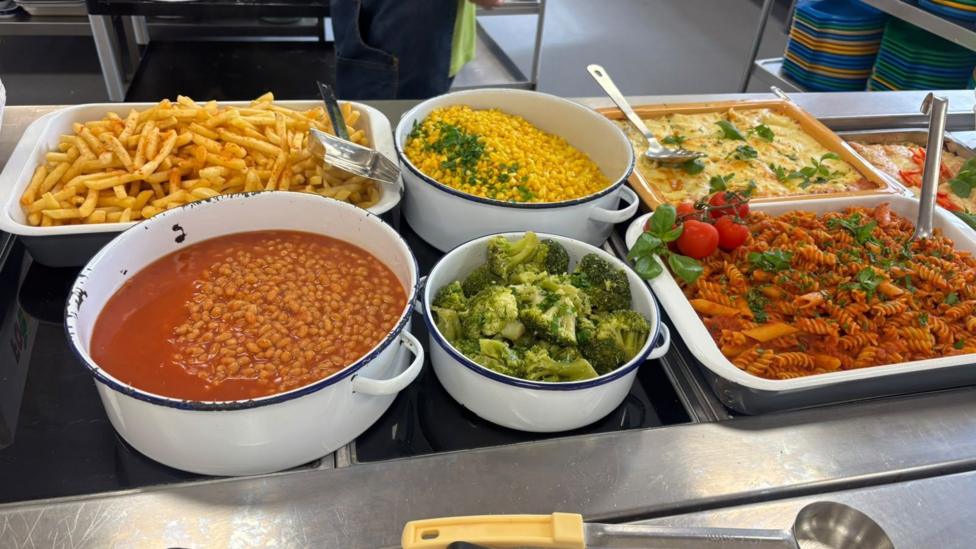
Sweet desserts such as cake will shift from regular offerings to twice weekly in secondary schools and once weekly in primary schools, and must be accompanied by fruit. Processed meats including ham, sausages and chicken nuggets reduce to once weekly and must come with vegetable or fruit sides.
Breakfast clubs face the most dramatic transformation. Historically unregulated, they will now prohibit pastries and fried eggs, implement sugar caps on cereals, and eliminate options such as Coco Pops. The government stated that chocolate spread is
"not permitted".
How will schools be monitored and supported?
The Food Standards Agency will work alongside the Department for Education to develop monitoring arrangements. Enforcement checks on unhealthy lunches are expected to start in September 2027, giving schools time to adapt their operations and catering infrastructure.
However, school leaders have raised concerns about implementation. Pepe Di'Iasio, general secretary of the Association of School and College Leaders (ASCL), welcomed the changes but cautioned:
"None of us would consider ourselves experts in health and nutrition. Don't create another stick with which to beat head teachers when they are trying to do their very best to provide a healthy, balanced meal for those in our schools."

Di'Iasio emphasised that schools require
"more investment" in catering facilities and in the "professional development" of school chefs to develop menus that "meet the ambitions" of the government. The government confirmed that changes will be funded using existing school budgets, raising questions about whether additional resources will be allocated to support compliance.
The government resource page for school food standards was last updated on 9 July 2026, providing guidance to schools preparing for implementation.
How are schools responding?
Oasis Blakenhale in Birmingham, one of 1,250 schools offering free breakfast clubs since February 2026, has embraced the new direction. Principal Farzana Ahmed said the school welcomed the changes.

"The more children that can access a hot, nutritious meal, the better it is for us, the better it is for them, and actually it really supports families with the reduction of their financial pressures at home,"Ahmed said. She acknowledged that monitoring is
"important"but noted schools
"probably need some more guidance from the government on what that's going to look like on a day-to-day basis".
At Blakenhale, approximately 60% of pupils already receive free school meals and the school was already providing balanced nutrition. With free school meal eligibility expanding this year to all families receiving Universal Credit, Ahmed reported an
"influx of parents"applying, with expectations that around 70% of pupils will benefit going forward.
"It's a really positive move,"Ahmed said.
"We know how important a nutritional diet is to the wellbeing, to the behaviour, to the learning of our pupils."
What impact are free meals having on families?
Working parent Kinza Butt, mother of three, described how free school meals at Blakenhale Juniors have transformed her family's situation.

"He doesn't have to eat those cold sandwiches anymore,"Butt said of her son.
"By the end of the day he used to be starving. But now he's coming home all happy because he's having good, healthy meals with a snack as well."For Butt, the provision has lifted a
"burden off the shoulders".
How do England's standards compare to other UK nations?
School food regulations vary across the United Kingdom. Wales will introduce new guidance by the end of 2026 emphasising at least two daily vegetable portions, with only water, milk or plant-based drinks permitted for hydration. Scotland updated its legislation in 2020, requiring students to receive at least two vegetable portions and one fruit portion daily, with oily fish served at least once every three weeks. Northern Ireland's regulations, last updated in 2007, mandate daily bread without spread, two daily fruit and vegetable portions, and require an additional vegetable when beans or pulses form the protein component of a main course.
What is the implementation timeline?
The new food standards will apply to primary and secondary schools across England, affecting academies, maintained schools and free schools. While most changes take effect from September 2027, secondary schools will have until September 2028 to implement some modifications, providing a phased transition period. The government's formal response to the consultation, originally scheduled for September 2026, will clarify final implementation details and any additional guidance for schools preparing for the rollout.
Key Facts
- Deep-fried food is banned; chips must be oven-baked and pasta must be 50% wholewheat once weekly
- Sweet desserts reduce to twice weekly in secondary schools and once weekly in primary schools, served with fruit
- Breakfast clubs face new nutrition rules for the first time, with pastries, fried eggs and high-sugar cereals prohibited
- Schools must publish food policies and menus online, with monitoring by the Food Standards Agency beginning September 2027
- Changes are funded from existing school budgets and take effect from September 2027, with secondary schools given until September 2028 for some modifications