Schools and councils across England are bracing for the proportion of children with special educational needs plans to double to one in 10 by 2029, as families accelerate applications ahead of government reforms. Headteachers report an "unreal" surge in requests for education, health and care plans (EHCPs), which legally mandate support for conditions including speech and learning difficulties, autism and ADHD. The rush reflects widespread concern that the planned overhaul will restrict access to these protections.
In 2025, approximately one in 20 school-age children held an EHCP. Projections compiled by local authorities show double-digit annual increases anticipated over the next three years, with similar growth nationally pointing to just under 10% of all school-age children holding an EHCP by 2029. This trajectory would significantly outpace government forecasts and strain both school and council finances while potentially undermining plans to improve specialist support in mainstream settings.
The government released its schools white paper and SEND consultation document on 23 February 2026, outlining plans to reshape the system from 2030 onwards. Under the proposed framework, EHCPs will be reserved for children who need more support than is routinely available in mainstream schools, while children with existing special school places will retain them if they choose until they finish education.
Why are applications surging now?
School leaders attribute the spike to families seeking to secure EHCPs before the reforms take effect. Send coordinators have worked through the summer managing the influx of assessment requests, with secondary schools reporting significantly more year 7 pupils arriving with EHCPs or pending applications. One headteacher described the volume as "unreal", while others anticipate doubling their intake of pupils with EHCPs when the academic year begins.
Paul Whiteman, general secretary of the National Association of Head Teachers, said the reported increases align with feedback from school leaders.
While it is hard to give a definitive reason for why this is happening, it appears likely that the government's plans to restrict future EHCPs to children with the most complex needs may have led to more families and schools applying before these changes kick-in.
Ipsea, a charity supporting families navigating the special needs system, reported that its helplines received the highest volume of calls about EHCP provision since March, immediately following the announcement of the reforms. Madeleine Cassidy, the organisation's chief executive, warned that
the government's proposed Send reforms risk making an already fragile system worse by removing the statutory protections and vital safeguards available to children and families when support is delayed, denied or inadequate.
What financial pressures are councils facing?
The surge in applications has prompted local authorities to dramatically revise their forecasts. Hampshire council's July report documented record application levels this year and projected a 58% increase in EHCPs between 2026 and 2030. Manchester council anticipates a 40% increase in school-age children with EHCPs by 2029. These figures far exceed earlier predictions.
Bill Revans, the County Councils Network's spokesperson on special educational needs and disabilities and Liberal Democrat leader of Somerset council, stated:
It is clear there has been a particularly sharp surge in assessment requests to our member councils this year since the government announced its planned reforms in February. Our previous analysis had predicted the number of EHCPs will rise to 840,000 by 2028-29, however, it is now likely these numbers will be exceeded. This translates to very real financial pressures on local authorities, and despite the government commitment to wipe 90% of existing Send deficits built up by councils over the past decade, we expect the debt to be re-accrued by as soon as this time next year.

William Burns, a social care policy adviser for the Chartered Institute of Public Finance and Accountancy, cautioned that a forthcoming survey of local authority treasurers would likely reveal mounting financial strain from the renewed push for EHCPs.
The government's own modelling suggests demand for EHCPs could return to today's levels by 2035, yet current levels of demand are already placing severe strain on the system. It is therefore difficult to see how recreating today's volume of need, even within a reformed framework, can be considered a sustainable end state.
EHCPs are legal documents agreed between local authorities and families detailing the support required for children and young people up to age 25, enabling access to additional funding or places in special schools. More than 530,000 school-age children currently hold EHCPs, while an additional 1.3 million have identified special educational needs without formal plans. The costs are met from local authority high needs budgets, but sustained growth in EHCPs has forced councils into accumulated deficits requiring statutory overrides from central government to prevent insolvencies.
What does the government say about the reforms?
Georgia Gould, the schools minister overseeing the changes, visited Thomas Lord Audley secondary school in Colchester to outline the government's approach. She acknowledged parental concerns about the planned system overhaul.
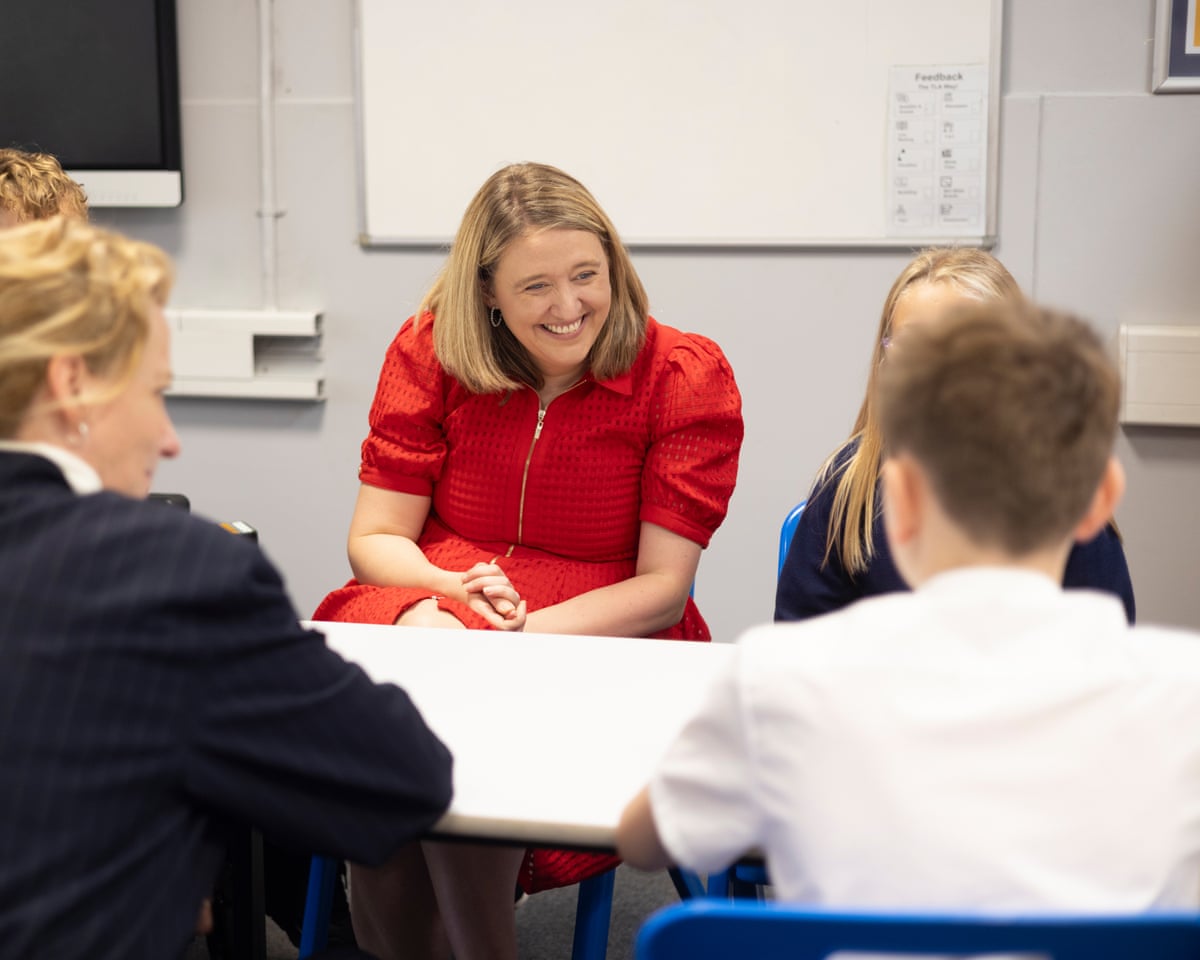
I've spoken to parents around the country, and lots of families and children have been really let down by the system. So they are really concerned, and any change can feel worrying for those families. That's why we want to put in place tangible change they can see and feel in classrooms and in their communities. And we've been clear that we will build a new and inclusive system before we bring in wider changes. We're really determined to put that support in place so parents don't need to fight, the support will be readily available at their school, and so no child falls through the cracks.
Gould noted that
it was going to take time to build that trust, to work with families for them to see that day to day. All the work we are doing, the investment, the teacher training, the sharing of best practice, is so important.
The government said that parts of the planned changes would begin operating this year, including the new "experts in hand" scheme that places specialists directly into mainstream schools and nurseries. The broader reform package includes digital EHCPs and new Individual Support Plans for every child with SEND, with mainstream transition starting from children who are seven years old or younger today.
When will the new system take effect?
The government has confirmed that no changes to the support given by EHCPs will begin before September 2030, and existing EHCPs in mainstream schools will remain in place until at least age 16 or until transition points under the new system. The first reassessments under the proposed framework are expected to begin with children in Year 6 in 2029, ahead of their transition to secondary school in 2030.
The current surge in applications reflects families' determination to secure EHCPs before this transition, with the system facing unprecedented demand even as the government prepares to reshape it fundamentally. The outcome will determine whether councils can manage the financial burden while maintaining support for vulnerable children during a period of significant institutional change.