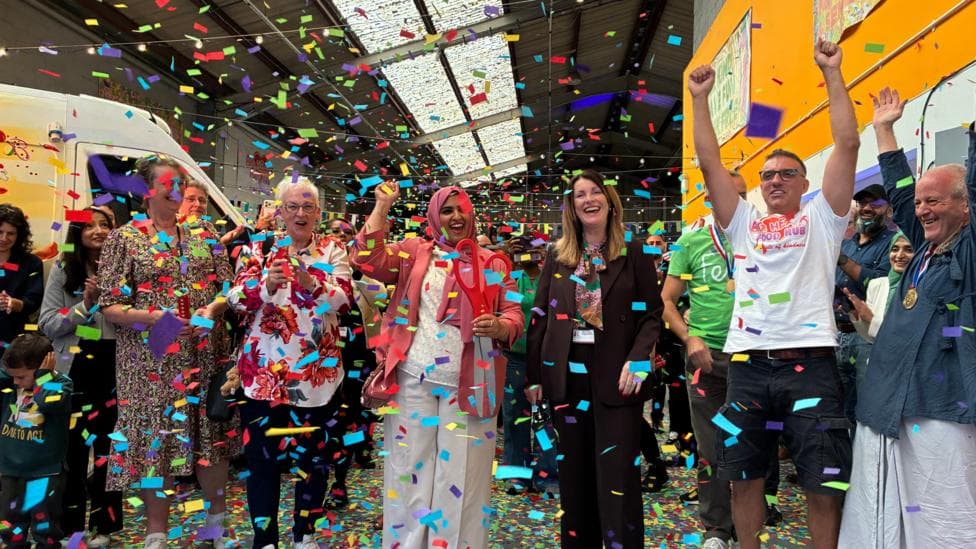
A food redistribution facility designed to deliver up to 10 tonnes of food weekly to charities and food banks has launched in Barking, addressing escalating food insecurity across east London. The Big Heart Food Hub officially opened on 10 September 2026 and was described by Barking and Dagenham Council as the region's largest food redistribution hub, with capacity to serve an estimated 7,000 residents each week through partnerships with more than 20 local organisations.
The facility will primarily distribute unsold food items that would otherwise be discarded, channelling nutritious supplies to residents struggling with living costs. Felix, a food redistribution charity, rescues food from the food industry before it goes to waste, enabling the redistribution of quality provisions to people facing food insecurity.
The scale of need in the borough is substantial. According to Trust for London's research, food insecurity in London rose from 9% to 12% of households in 2024/25, representing a 23% increase over two years. Families with three or more children have been particularly affected, with food insecurity rising from 20% in 2022/23 to 27% in 2024/25.
Nathan Grady, charity food coordinator, highlighted the urgency of the initiative:
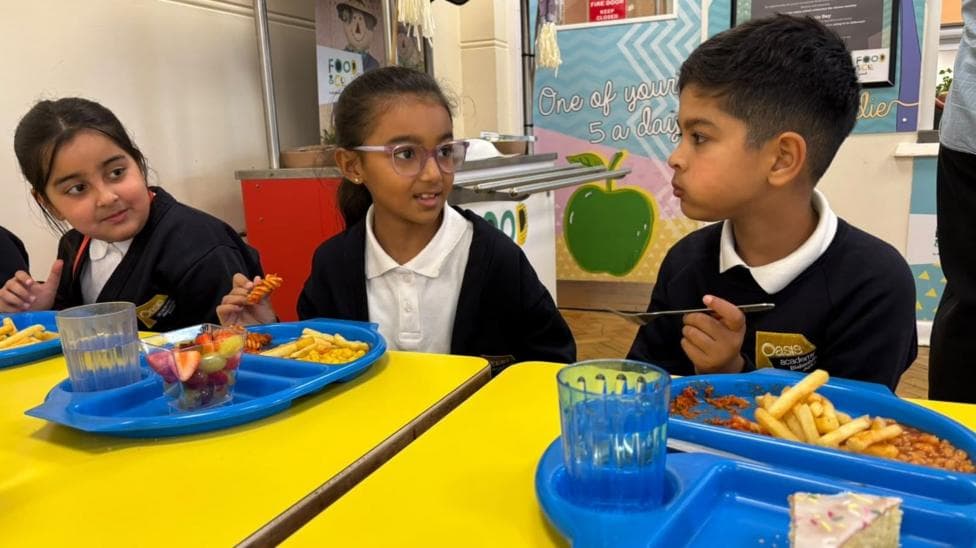
We are statistically the poorest borough in London and we recognise that there's a big need. People are missing meals - children are missing meals.
How the hub will operate
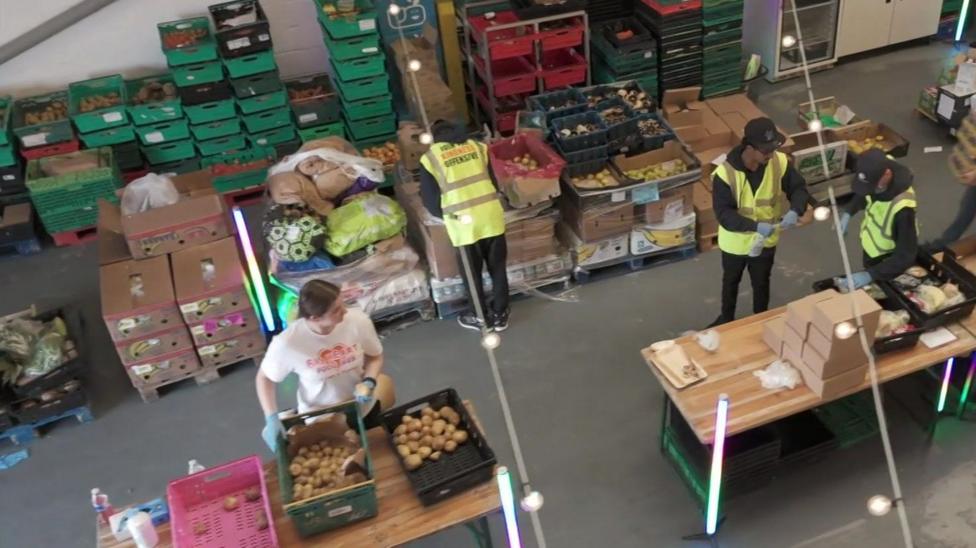
The Big Heart Food Hub is a partnership between Barking and Dagenham Council, The Kindness Offensive, Food for All, Felix, City Harvest and Kingsley Hall. The facility functions as an intermediary between large food suppliers and community-facing organisations including food banks, soup kitchens and schools.
David Goodfellow, one of the managers at Big Heart and a founder of The Kindness Offensive, explained the hub's role:
They are the ones who are on the front line and they don't have the resources to be able to feed all the people that are coming to their doors. We are a stepping stone, a middle ground between some of the big suppliers and some of the community-facing groups, to give them the supplies that they need. There's a lot of people who are hungry.

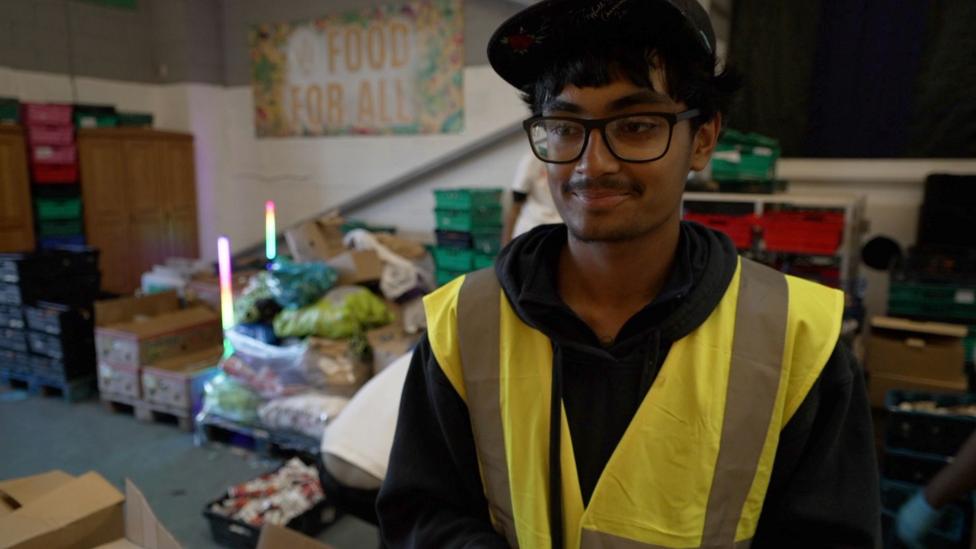
Sana Sajid, who runs a food club at Darul Ummah Goresbrook community centre with her husband, will receive food from the hub to redistribute to people facing financial hardship.
If we can help them with food, it means that they will have more money to pay their bills. It makes a big difference.
Saima Ashraf, deputy leader of Barking and Dagenham Council, emphasised the importance of preventing food waste whilst supporting residents:
It's sad that we have to use food banks, however it is also sad that a lot of food is being thrown away. Surplus good food - not rotten food - is going to residents and families that deserve it.
Expanding beyond food distribution
The partnership intends to develop the hub's scope beyond basic food redistribution. Future plans include volunteering programmes, training and skills development opportunities, though no specific timeline has been announced.
Nathan Grady outlined the broader vision:
We don't want it just to be food distribution. We want to create jobs out of it and teach people how to cook with the food that they get. So when they come to a food bank they're not like: 'What's the celeriac? What do I do with it?'
The launch event on 10 September ran from 11am to 3pm, bringing together councillors, residents and partner groups to demonstrate how the operation will function across the borough.
What happens next
The partnership is developing detailed plans to extend the hub's benefits into volunteering, training and skills opportunities as part of a broader approach to tackling food insecurity and supporting residents' economic resilience. Updated data on food insecurity across London is expected in May 2027.